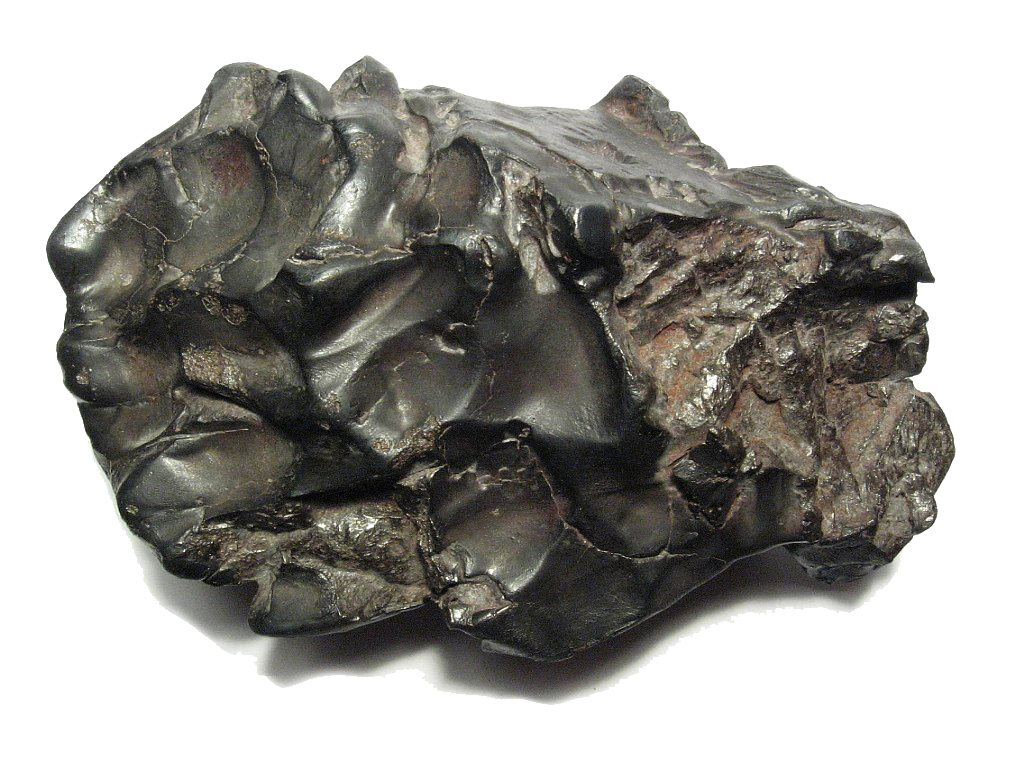
A sun-bright fireball
On February 12, 1947, at 10:38 a.m. local time, a fireball brighter than the sun tore across the sky over the Sikhote-Alin Mountains in eastern Siberia. Eyewitnesses up to 300 kilometers away saw the spectacle and heard its roar. A Soviet artist named P. J. Medvedev was looking out a window and immediately began to sketch the event; his painting was used on a 10th-anniversary commemorative stamp. The object, an iron meteoroid with an estimated pre-atmospheric mass of around 100 metric tons, entered the atmosphere at approximately 14 kilometers per second (about 31,000 miles per hour).
As it descended at a 41-degree angle, it left a smoke and dust trail 32 kilometers long that lingered in the sky for several hours. At an altitude of about 5.6 kilometers, the main body of the meteoroid violently exploded in an air burst. This low-altitude explosion sent a shower of metallic fragments raining down onto the remote, snow-covered taiga. It was the largest witnessed meteorite fall in recorded history. The meteoroid itself likely originated in the asteroid belt between Mars and Jupiter.