A Fireball Brighter Than the Sun
At 10:38 a.m. on February 12, 1947, a clear morning sky over the Sikhote-Alin Mountains was torn apart by a fireball brighter than the sun. Eyewitnesses up to 300 kilometers away saw the spectacle as a meteoroid with an estimated pre-atmospheric mass of around 100 metric tons slammed into the Earth's atmosphere at approximately 14 kilometers per second. As it descended at a 41-degree angle, it began to violently fragment, leaving a dense smoke trail 32 kilometers long that hung in the sky for several hours.
The main body of the meteoroid exploded in a massive air burst at a low altitude of only 5.6 kilometers. The terminal blast and subsequent impacts of thousands of metallic fragments were heard and felt across the remote, snowy landscape. The event was so powerful it shook houses, shattered windows, and caused ground tremors in the surrounding region. This was not a silent arrival from space; it was a loud, chaotic bombardment that created a fresh crater field in the Siberian taiga.
A Field of Metal and Craters
The debris from the disintegrated meteoroid rained down over an elliptical area of 1.3 square kilometers. Soviet scientific expeditions, organized by the USSR Academy of Sciences, quickly arrived to study the unprecedented event. They documented a scene of devastation, with over 120 impact craters and pits dotting the forest. The largest of these craters measured 26 meters across and was 6 meters deep. Trees were shredded and splintered, with sharp metal fragments driven directly into their trunks.
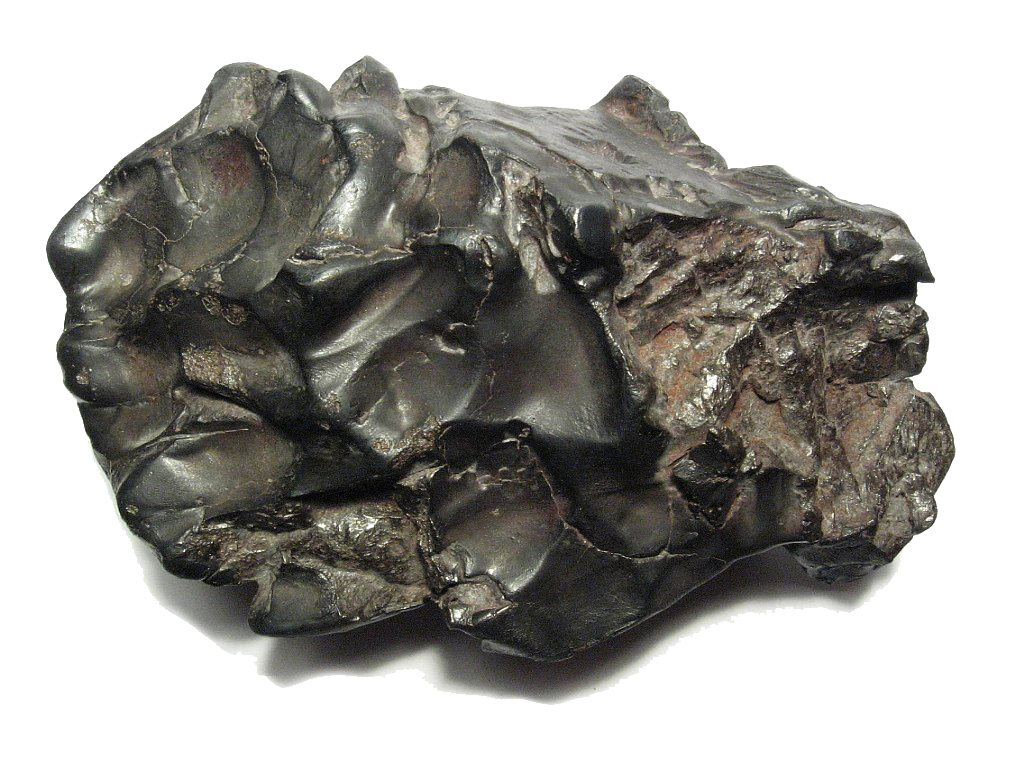
Over 23 metric tons of meteoritic material have been recovered from the site. The fragments fall into two distinct categories. The first are "individuals," which are smoother pieces with regmaglypts—thumbprint-like depressions formed by atmospheric ablation as they broke off early in the meteoroid's descent. The second, and more common, type is shrapnel: jagged, twisted pieces of metal torn apart during the final, violent explosion or upon impact with the frozen ground. Geologists discovered that larger craters often contained only tiny fragments, as the impacting bodies had enough kinetic energy to completely shatter themselves.
Analysis of the fragments classifies the Sikhote-Alin meteorite as a IIAB coarsest octahedrite. Its composition is approximately 93% iron, 5.9% nickel, with smaller amounts of cobalt, phosphorus, and sulfur. Because the event was a witnessed fall, scientists were able to calculate the meteoroid's original orbit, tracing it back to the asteroid belt.