A Species Known from a Single Specimen
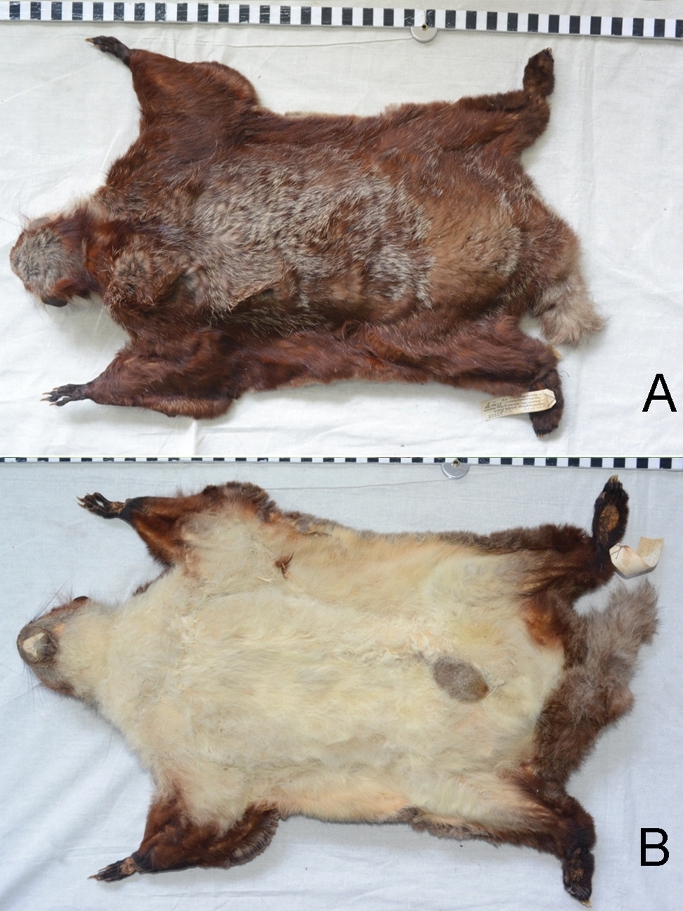
On April 27, 1981, a zoologist collected a single, unusual flying squirrel in Namdapha National Park. That animal became the first and only confirmed scientific record of the Namdapha Flying Squirrel (Biswamoyopterus biswasi). The species is known to science exclusively from this one body, the holotype specimen ZSI 20705, which resides at the Zoological Survey of India in Kolkata. All biological data for this animal comes from that single male specimen.
Based on this individual, the species has a head-and-body length of 40.5 cm (15.9 in) and a tail measuring 60 cm (24 in). Its fur is a distinctive reddish-grizzled color on its back with white underparts. The patagium, the gliding membrane stretching between its limbs, is orangish. Unlike some other squirrels, its incisors are unpigmented. The scientific name Biswamoyopterus biswasi honors Biswamoy Biswas, a former director of the Zoological Survey of India. The squirrel's habitat is believed to be the tall ironwood (Mesua ferrea) jungles on the hill slopes in the Dihing River's drainage basin. The original specimen was found at an elevation of about 350 meters.
The Four-Decade Search
Since its discovery, no other Namdapha Flying Squirrel has been officially documented. This elusiveness places it on the International Union for Conservation of Nature (IUCN) Red List as Critically Endangered and it is considered one of the 25 "most wanted" lost species by the Search for Lost Species initiative. The primary threats are thought to be poaching for food within the park and habitat destruction.
Numerous expeditions have ventured into the dense and remote forests of Namdapha National Park, a 1,985 square kilometer protected area, to find the squirrel. These searches are complicated by the rugged terrain and the squirrel's nocturnal, tree-dwelling nature. Another major challenge is its close resemblance to the more common Red Giant Flying Squirrel (Petaurista petaurista), which shares its habitat. In April 2022, a research team from the conservation group Aaranyak reported a potential sighting and captured photographic evidence. However, without DNA evidence to compare against the 1981 specimen, a definitive confirmation is pending. The search continues for this ghost of the Eastern Himalayas.