A transient atmospheric anomaly
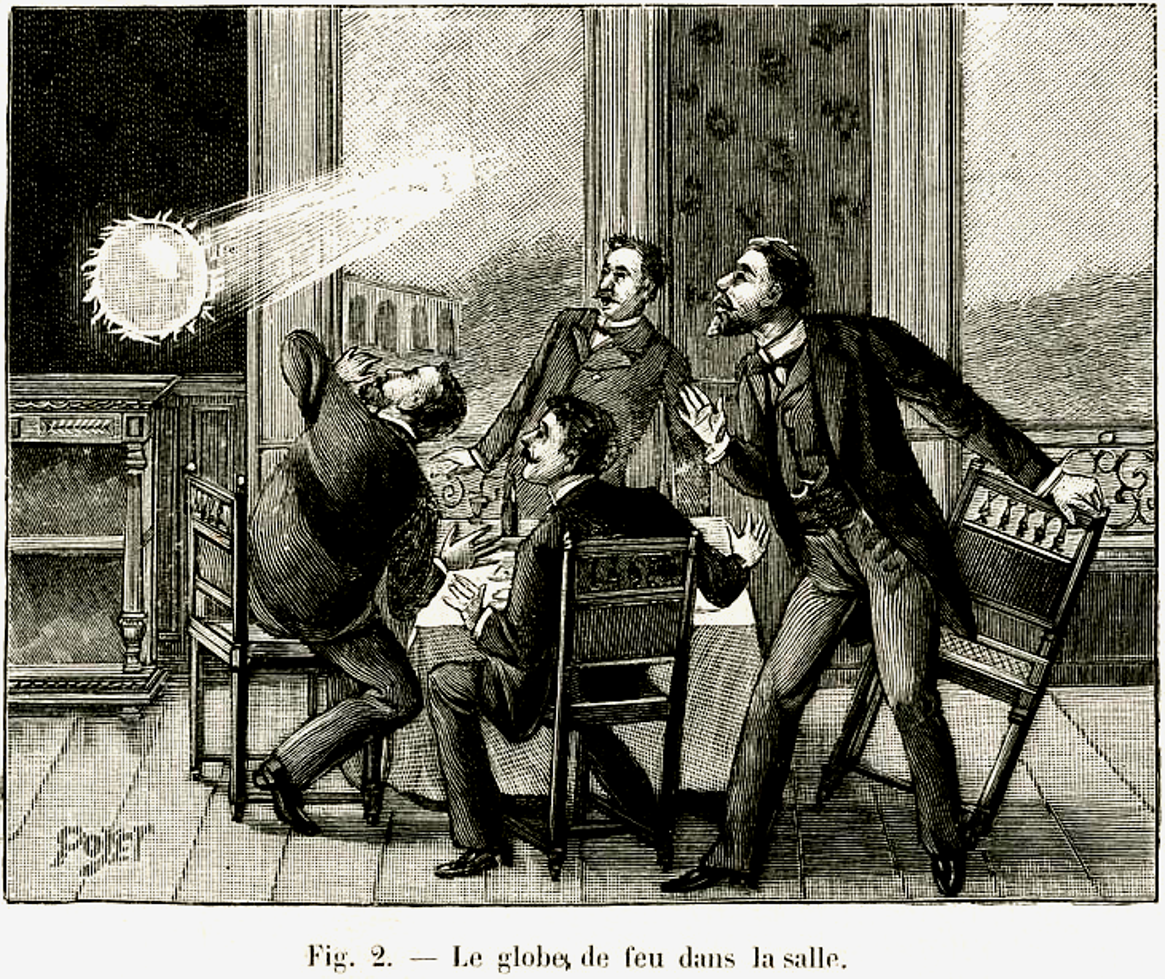
Ball lightning is a luminous, spherical object that has been reported globally for centuries, yet it remains one of the atmosphere's most elusive phenomena. These orbs typically appear during thunderstorms and can range in size from a few centimeters to over a meter in diameter. Their observed colors are most commonly red, orange, and yellow, and their brightness is often compared to that of a domestic lamp, making them visible in daylight. Eyewitness accounts describe them hovering, drifting horizontally at a few meters per second, and lasting from several seconds to over a minute before dissipating. Some reports claim the spheres can pass through solid objects, like glass windows, and often leave behind a distinct smell of sulfur or ozone.
Despite thousands of sightings, verifiable scientific data is exceptionally scarce. The transient and unpredictable nature of the phenomenon makes it difficult to study. One of the most significant breakthroughs occurred by chance in July 2012. A team of scientists from Northwest Normal University in Lanzhou, China, were studying ordinary thunderstorms on the Tibetan Plateau when they unintentionally recorded a ball lightning event with video and spectrographs. The orb appeared after a cloud-to-ground lightning strike, glowed for about 1.6 seconds, and drifted horizontally for about 10 meters. This accidental recording provided the first-ever optical spectrum of a natural ball lightning event.