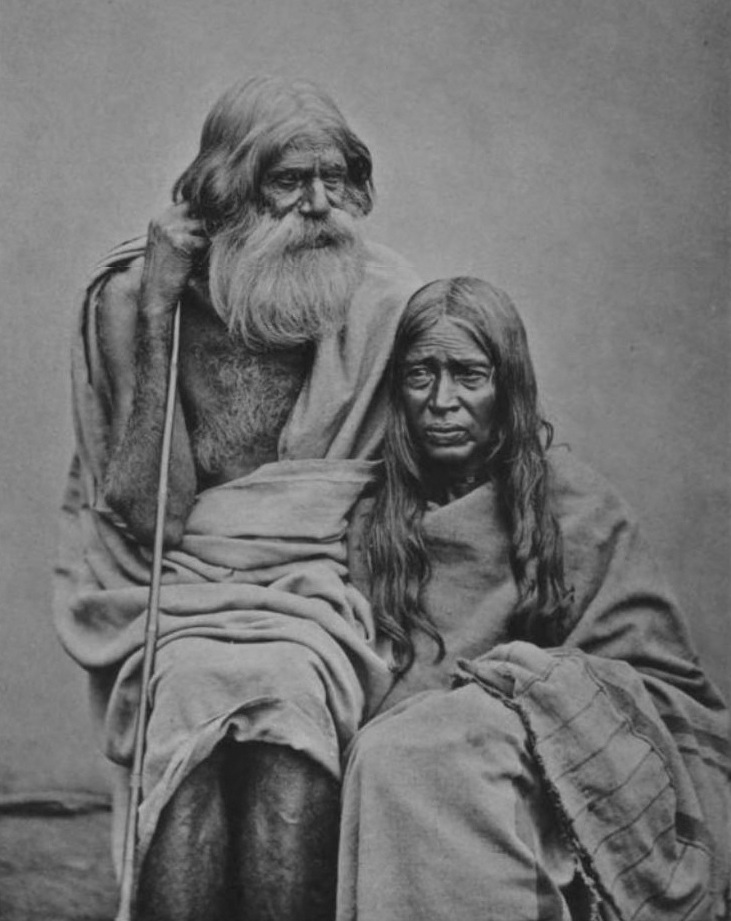
A People Apart in the Blue Mountains
In the Nilgiri Hills of southern India, a small pastoral community known as the Toda has lived for centuries. Their long-term geographic and cultural isolation has made them a subject of great interest for genetic anthropologists. Studies reveal that the Toda people show very little genetic mixing with their neighbors, including other local Dravidian-speaking groups. This genetic distinction results from strict endogamy (marrying within the community) and unique cultural practices that have been maintained for generations.
Genetic analyses show a distinctive ancestry profile. The Toda show very low levels of Steppe ancestry, which is common in many other Indian populations. Instead, their genetic makeup suggests a strong link to ancient Indus Valley Civilization (IVC) ancestry, combined with a smaller proportion of Ancestral South Indian (ASI) lineage compared to their geographic neighbors. This unique combination suggests they have remained a distinct population for a very long time. Their genetic isolation and pastoralist history is found in their high frequency of lactase persistence—the ability to digest milk into adulthood—a trait found at levels comparable to Northern Europeans, which is believed to be the result of strong positive selection due to their dairy-centric diet.
A Culture Woven from Buffalo Milk
The Toda economy and religion are linked to their unique breed of long-horned, semi-wild Asiatic water buffalo (Bubalus bubalis). Their entire traditional lifestyle revolves around these animals, from which they get milk and dairy products like butter and ghee. Being traditionally vegetarian, they do not eat the buffalo. Toda religion features the sacred buffalo, and all dairy activities, from milking to churning, are surrounded by complex rituals. Dairies are treated as temples, and only specific dairymen-priests, who undergo special ordination ceremonies, can perform these sacred tasks.
This connection with the buffalo is reflected in their social structure and language. The Toda language, a member of the Dravidian family, is considered to have split from Proto-South-Dravidian before Tamil and Malayalam separated, possibly as early as the 3rd century BCE. It is phonologically complex, with a large number of vowels (16) and many fricatives and trills, making it very different from neighboring languages. Their settlements, called munds, traditionally consist of three to seven barrel-vaulted huts, known as dogles, constructed from bamboo and thatch. Historically, the Toda practiced fraternal polyandry, where a woman would marry a set of brothers, though this practice has been abandoned.