A Sixth Sense Destroyed
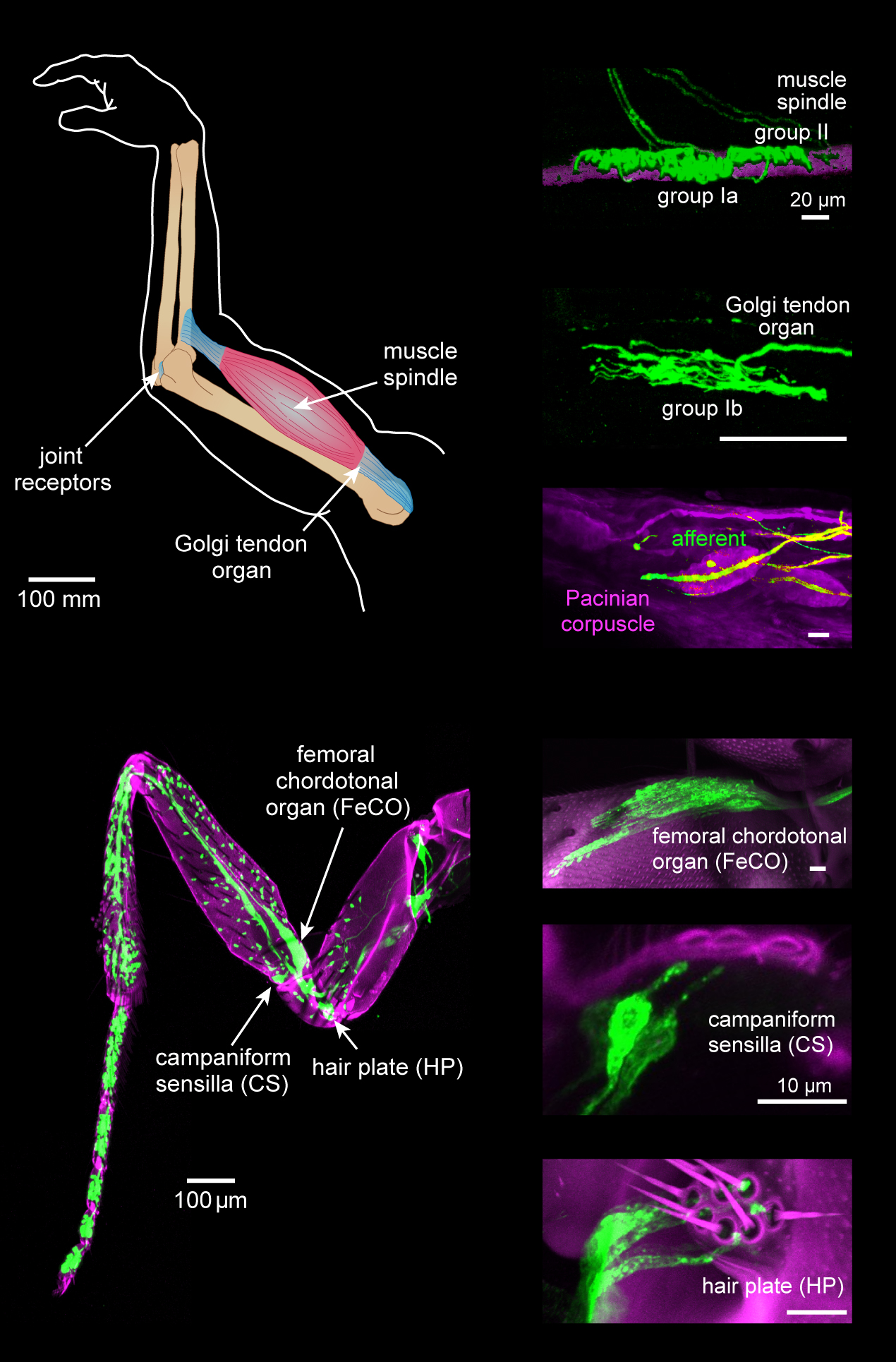
In 1971, at the age of 19, a butcher named Ian Waterman experienced a sudden, catastrophic illness. After a severe viral infection, he woke to find himself unable to move or feel his body from the neck down. His motor nerves, the ones that carry commands from the brain to the muscles, were completely undamaged. He was not paralyzed. The problem was the destruction of a different set of nerves—the ones responsible for proprioception.
Proprioception is often called the sixth sense. It is the constant, unconscious feedback from muscles and joints that tells the brain where each body part is in space. Without it, Waterman’s brain had no map of his body. If he closed his eyes, he felt like a disembodied head. His limbs would drift into strange positions without his knowledge. Doctors diagnosed him with a rare autoimmune condition, an acute sensory neuronopathy, and gave a bleak prognosis: he would likely never walk again.
Waterman’s condition specifically affected the large, myelinated sensory nerve fibers that transmit information about touch and body position. He could still feel pain and temperature, which are carried by different nerve pathways, but the sense of his physical self was gone. He was left with a mind that could issue commands and muscles that could execute them, but no way to know if the commands had been followed.
Rebuilding Movement by Thought
Confined to a rehabilitation center, Waterman refused to accept a life of immobility. He began a slow, mentally exhausting process of relearning how to move. The breakthrough came when he realized he could substitute vision for his lost proprioception. If he could see a limb, he could consciously control it. Every single movement, from sitting up to grasping a fork, had to be meticulously planned and visually monitored.
He would have to think through the sequence of muscle contractions required for an action, initiate the movement, and then watch his own body to confirm it was happening correctly. This required immense concentration; any distraction could cause him to lose control and fall. If the lights suddenly went out, he would collapse in a heap, unable to sense his posture. After 17 months of this intense effort, he managed to leave the rehabilitation unit, walking.
His case became a subject of intense scientific interest. Neurophysiologist Jonathan Cole, based at nearby Poole Hospital, began a decades-long collaboration with Waterman. Their studies provided insights into the brain's plasticity and how it can adapt to severe sensory loss. Experiments confirmed his complete reliance on vision for movement control. Waterman's daily life is an athletic performance, requiring the focus of a person walking a tightrope for every step he takes.