An accidental wartime discovery
In 1942, during the construction of the RAF Valley airfield on Anglesey, workers dredging peat from a bog made an unexpected discovery. The first object to surface was a long iron chain, initially mistaken for modern equipment and used to tow trucks. A worker, William Owen Roberts, eventually had it identified. It was a 2,000-year-old gang chain for holding multiple captives. This triggered a more thorough search, and over the following months, more than 180 metal artifacts from the Iron Age were pulled from the peat.
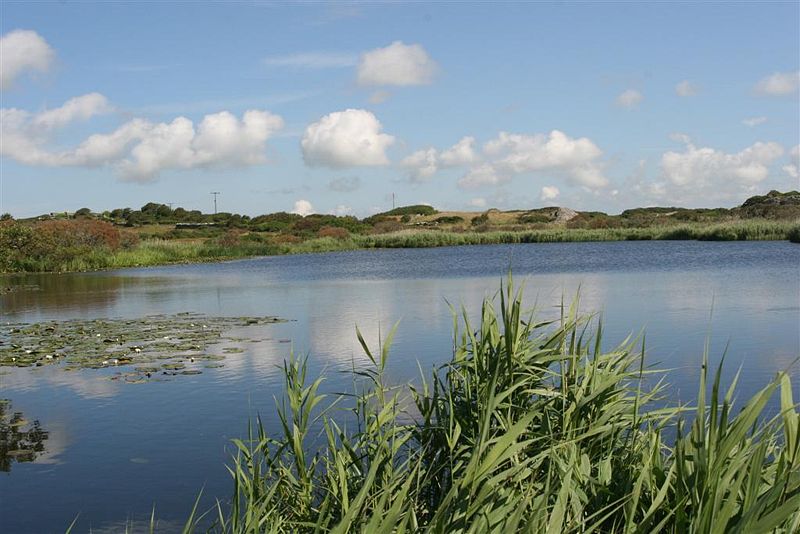
Scientific dating shows these objects were deposited over a long period, from approximately 300 BCE to 100 CE. The collection is one of the largest assemblages of La Tène style Celtic metalwork found in the British Isles. The site was once a small lake, and the anaerobic conditions of the peat bog preserved the metalwork in remarkable condition. Pollen analysis of the peat layers reveals that the Iron Age terrain surrounding the lake consisted of open heath and grassland.
A catalogue of ritual offerings
The objects from Llyn Cerrig Bach represent a cross-section of high-status Iron Age society. The collection is overwhelmingly military, with seven swords, six spearheads, and fragments of a shield boss. It also contains numerous parts from chariots, including iron wheel tires, bronze fittings, and bridle bits. One of the largest items is the iron gang chain, which is over 3 meters long with five neck rings, weighing 6.66 kilograms. Another similar chain was also found.
Analysis of the metalwork reveals that the items came from various locations. Some pieces show stylistic links to Somerset and southern Britain, while others may have originated in Ireland. This wide geographic range suggests that Llyn Cerrig Bach was a religious site of far-reaching importance. The dominant interpretation is that these items were votive offerings, deliberately thrown into the sacred waters over many generations. Many of the weapons, such as swords, were bent or broken before being deposited, a common feature of ritual sacrifice of objects. The Roman historian Tacitus described Anglesey as a major center for Druids, and the lake was likely a focus of their religious activities before the Roman conquest of the island in 60/61 CE.