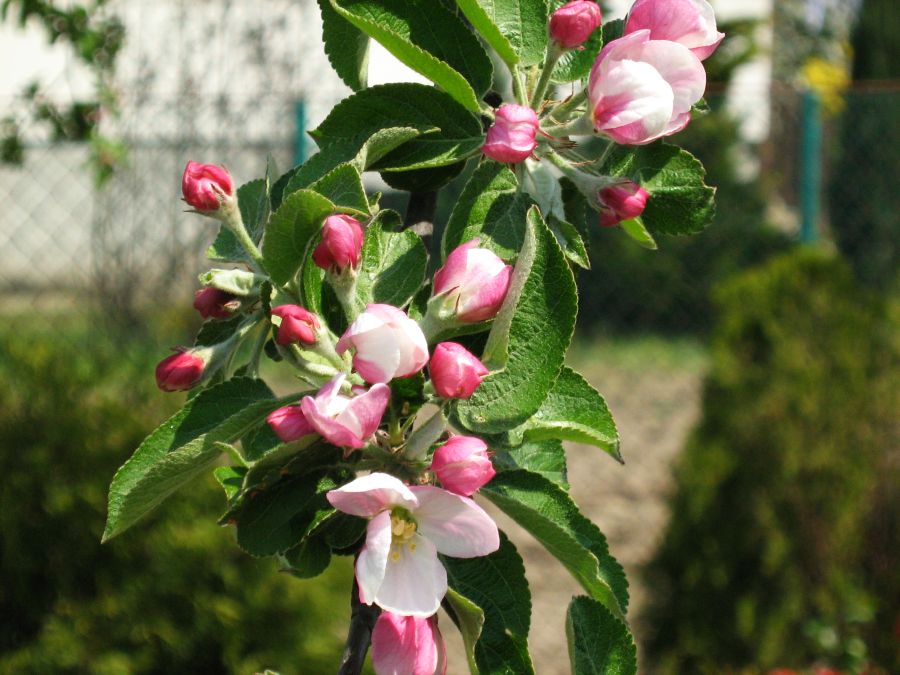
The Apple's Ancestral Home
In the Tian Shan mountains of southeastern Kazakhstan, near the city of Taldykorgan, grow the wild forests of Malus sieversii, the primary ancestor of every domesticated apple (Malus domestica). Genetic sequencing has confirmed that these forests are the origin point for the thousands of apple varieties known today. The history of the apple began here, with seeds carried west and east along the Silk Road by traders and animals, where they hybridized with local crabapples to become the modern fruit.
The genetic diversity within these Kazakhstani forests is immense; a single grove can contain more genetic variation than all commercial apple varieties combined. These trees, some growing to 60 feet and living for over 150 years, produce fruit that varies wildly in size, color, and flavor, from sweet to sour and even with notes of honey or licorice. This genetic library is a resource for agricultural scientists, holding traits for disease resistance and stress tolerance that have been bred out of commercial cultivars. However, these irreplaceable forests are under threat. An estimated 70% of the wild apple population has been lost in recent decades due to agricultural expansion, development, and overgrazing. The species is now classified as "Vulnerable" on the IUCN Red List of threatened species.
A Biochemical Defense
One of the most significant traits found in the Malus sieversii populations of this region is a natural resistance to the codling moth, Cydia pomonella. This insect is a major agricultural pest worldwide, with its larvae boring into apples and making them unmarketable. While commercial apples are highly susceptible, requiring extensive pest management, certain wild Malus sieversii trees show effective defense mechanisms.
Scientific analysis of these resistant trees has isolated the source of this protection to specific biochemical compounds in the apple's skin and flesh. Wild apples, particularly M. sieversii, consistently show higher concentrations of polyphenolic compounds—such as flavonoids, chlorogenic acid and procyanidins—compared to their domesticated relatives. These compounds act as a deterrent to the moth larvae. The total polyphenol concentration can be seven to nine times higher in the flesh of M. sieversii compared to domestic apples. Researchers are actively working to synthesize the specific defensive molecule identified in the Taldykorgan population for development into a targeted organic pesticide. This would offer a new tool for apple growers globally, derived from the ancient genetic traits preserved in these wild forests.