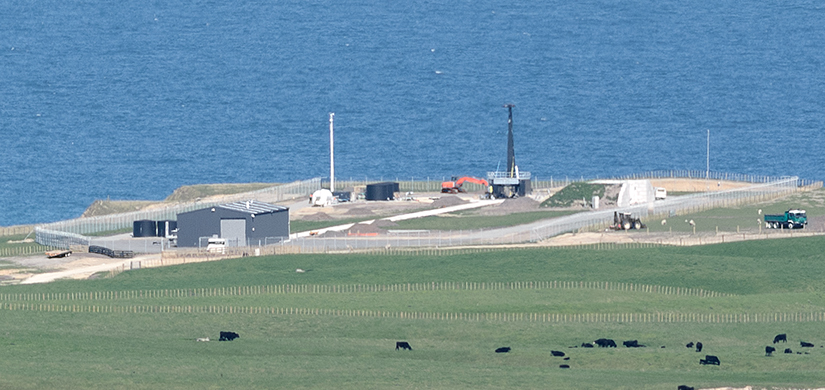
The World's First Private Orbital Spaceport
On January 21, 2018, a rocket named Electron successfully reached orbit from the Mahia Peninsula, making New Zealand the 11th country capable of launching to space. This was a private initiative, not the work of the private company Rocket Lab. The launch site, Launch Complex 1 (LC-1), is the world's first privately owned and operated orbital launch complex. Its remote location on the North Island's east coast is an advantage. Uncluttered airspace and a wide-open ocean provide a vast range of launch angles, from polar to sun-synchronous orbits, without the heavy air and marine traffic that limits many other spaceports.
This geographic isolation is important for the site's primary purpose: high-frequency launches. The complex is licensed to launch a rocket as often as every 72 hours. It contains two separate launch pads, LC-1A and LC-1B, allowing for simultaneous processing of multiple rockets. This setup minimizes turnaround time between missions, positioning LC-1 as one of the most responsive spaceports globally. The complex officially opened on September 26, 2016, and the first orbital launch attempt took place on May 25, 2017. Though that first attempt failed to reach orbit, the successful flight the following year was a spaceflight milestone.