A different kind of magma
The island of Pantelleria, located in the Strait of Sicily, is built from a rare type of volcanic rock called peralkaline rhyolite. Specifically, it is the type locality for "pantellerite," a variety of rhyolite so distinctive it was named after the island. This magma is peralkaline, meaning it has a higher concentration of sodium and potassium relative to aluminum. This specific chemistry lowers the magma's viscosity, making it flow more easily than typical high-silica rhyolites.
This unusual magma is the product of extreme fractional crystallization. It begins as basaltic magma deep beneath the island. As this parent magma cools in a chamber at a low pressure of around 0.1 gigapascals, minerals like plagioclase and olivine crystallize and settle out. This process, removing specific elements from the melt, continues until about 95% of the original magma has solidified. The small amount of remaining liquid becomes exceptionally enriched in silica (68-73%), sodium, iron, and volatile elements like chlorine, forming the unique pantellerite composition. This process results in the formation of uncommon minerals, such as the sodium-rich amphibole cossyrite, which is also named after Pantelleria's ancient name, Cossyra.
The green tuff and neolithic trade
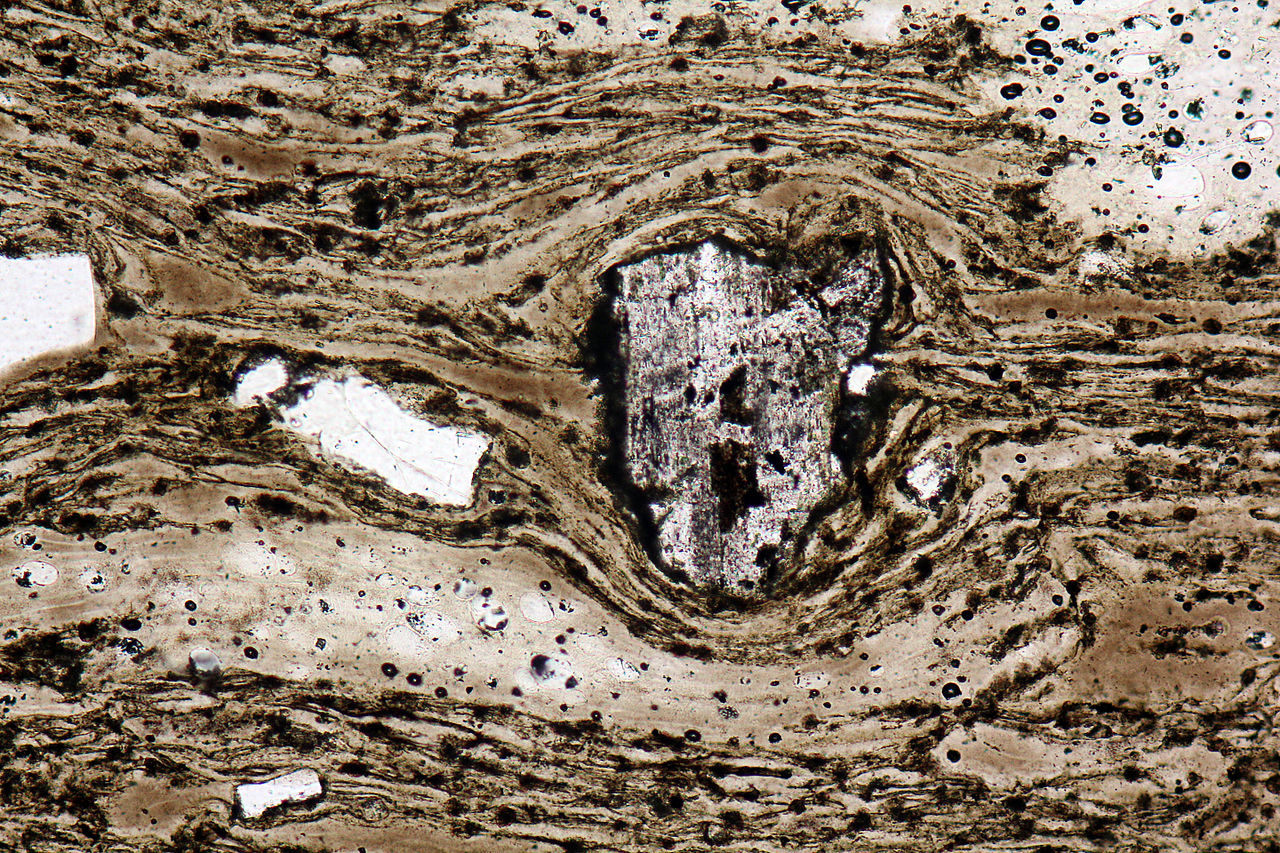
Pantelleria's most significant volcanic event was the Green Tuff eruption, which occurred approximately 45,000 years ago. This massive eruption blanketed the island with a thick layer of welded tuff, a rock formed from hot volcanic ash and pumice. The event also led to the collapse of the ground, forming the Cinque Denti caldera. The resulting rock has a distinctive green color, a visible record of the island's unique geology.
The pantellerite lava, when cooled rapidly, forms a high-quality volcanic glass: obsidian. During the Neolithic period, this material was a highly valued resource for making sharp tools and weapons. Pantelleria was one of the few sources of obsidian in the central Mediterranean. The unique chemical fingerprint of Pantellerian obsidian allows archaeologists to trace its movement across ancient sea lanes. Tools made from this "black gold" have been discovered at archaeological sites in Malta, Tunisia, Sicily, and southern Italy, indicating a widespread maritime exchange network that existed as early as 8,000 BCE. On the island itself, the Bronze Age village of Mursia shows evidence of obsidian tool production, complete with a massive defensive wall.