An underwater museum of war and life
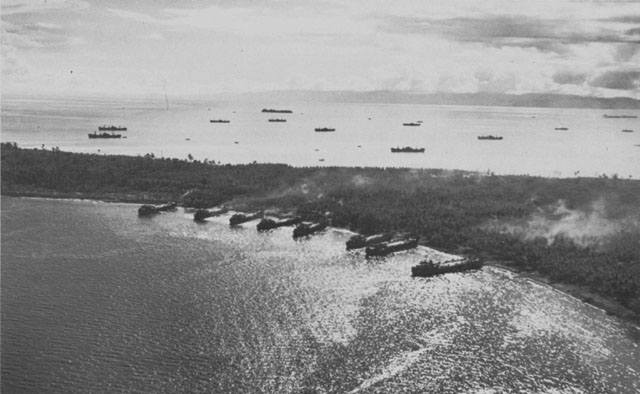
In September 1944, Allied forces under General Douglas MacArthur launched "Operation Tradewind," an amphibious assault on Morotai Island. The goal was to capture the island from its small Japanese garrison and build airfields to support the upcoming liberation of the Philippines. The battle was swift, and the island was secured within two weeks, transforming it into a major Allied base with airfields handling up to 500 flights a day.
When the war ended, a vast amount of military hardware was left behind. Jeeps, trucks, aircraft, and ships were abandoned or scuttled in the surrounding waters. Today, these remnants of a global conflict form an unintentional underwater collection. At dive sites like Lapangan Pante, near a former WWII airbase in Wamama village, divers can find a submerged area of war relics. A Bristol Beaufort bomber, once operated by the Royal Australian Air Force, rests at a depth of 40 meters, surrounded by trucks and other machinery. These steel structures, once instruments of destruction, now have a new purpose.
From steel hulls to coral gardens
The metal skeletons of war machines provide an ideal substrate for marine organisms. On the seafloor, hard surfaces are a premium resource that coral larvae require to settle and begin building a reef. The hulls of ships and the wings of planes offer this stability. Over the decades, these wrecks have been colonized by a variety of hard and soft corals, transforming them into complex, growing artificial reefs.
These new habitats have attracted a high density of marine life. The structures offer shelter and feeding grounds for countless species of fish, from small clownfish and parrotfish to larger predators like reef sharks and manta rays. The water visibility, often reaching 30 meters, allows for clear observation of these bright ecosystems. One Japanese vessel, the Hawiamaru, now rests at a depth of 8 meters, its 70-meter-long frame filled with coral reef life. This process shows how artificial structures, even those with a violent history, can become areas for biodiversity, showing nature's capacity to reclaim and repurpose human artifacts.