An ice age island
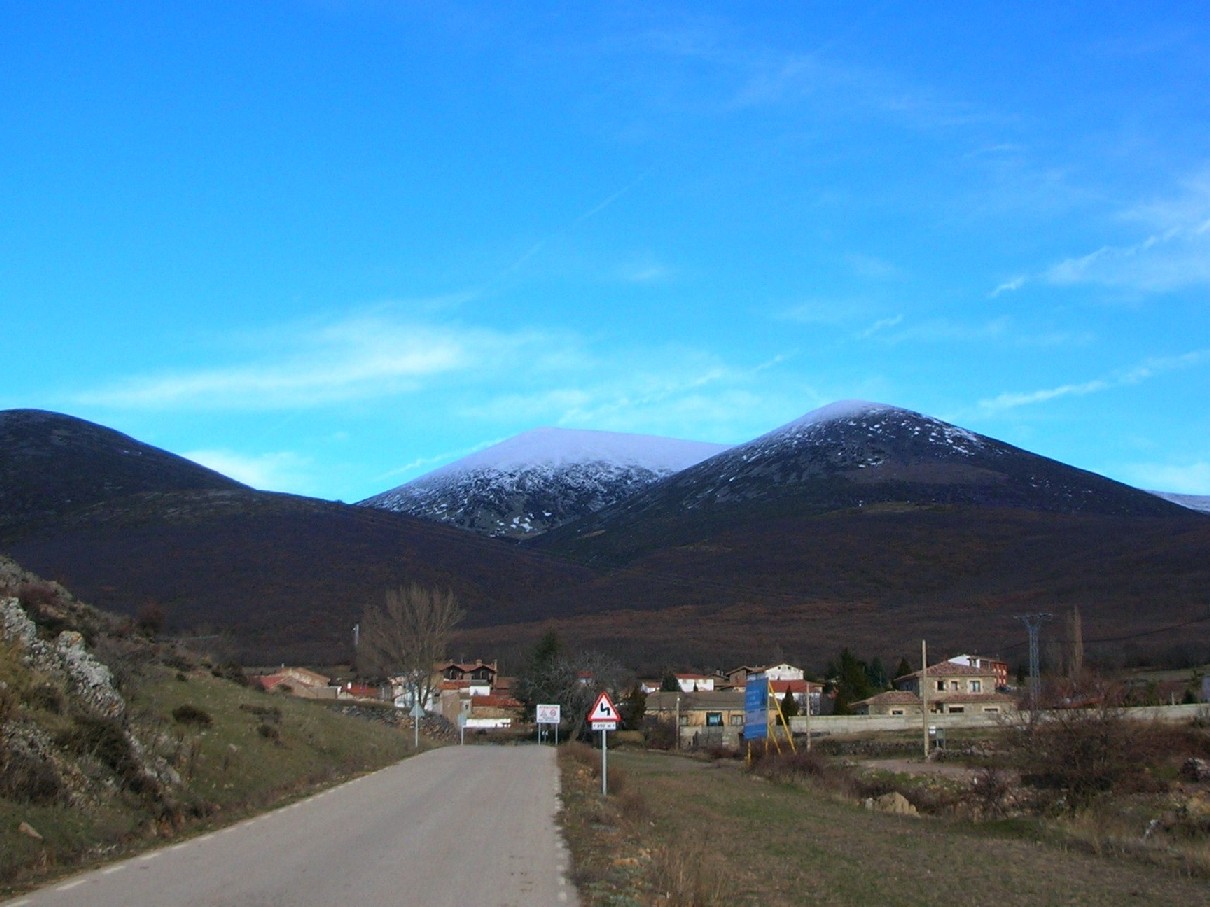
Rising to 2,314 meters (7,592 feet), Moncayo's San Miguel peak is the highest point in the 500-kilometer-long Iberian System. Its altitude creates a climatic island, with cold winters and seasonal snow cover lasting from October to May. During the last phases of the Pleistocene Ice Age, this peak was not buried by glaciers like those in the Pyrenees, but it was a zone of intense periglacial (or "near-glacial") activity. This activity was driven by constant freeze-thaw cycles that shattered rock and moved debris on a massive scale.
The most intense period of this activity corresponds with the Younger Dryas, a cold snap that occurred between roughly 12,900 and 11,700 years ago. This event disrupted the post-ice-age warming trend and plunged regions of the Northern Hemisphere back into near-glacial conditions. On Moncayo, this meant the ground was permanently frozen at depth (permafrost), with only a shallow surface layer thawing each summer. This environment created a suite of landforms that remain etched on the mountain today. The mountain's geology, dominated by Paleozoic slates and quartzites, provided the raw material for this icy construction.