The Microbial Engine of Korean Flavor
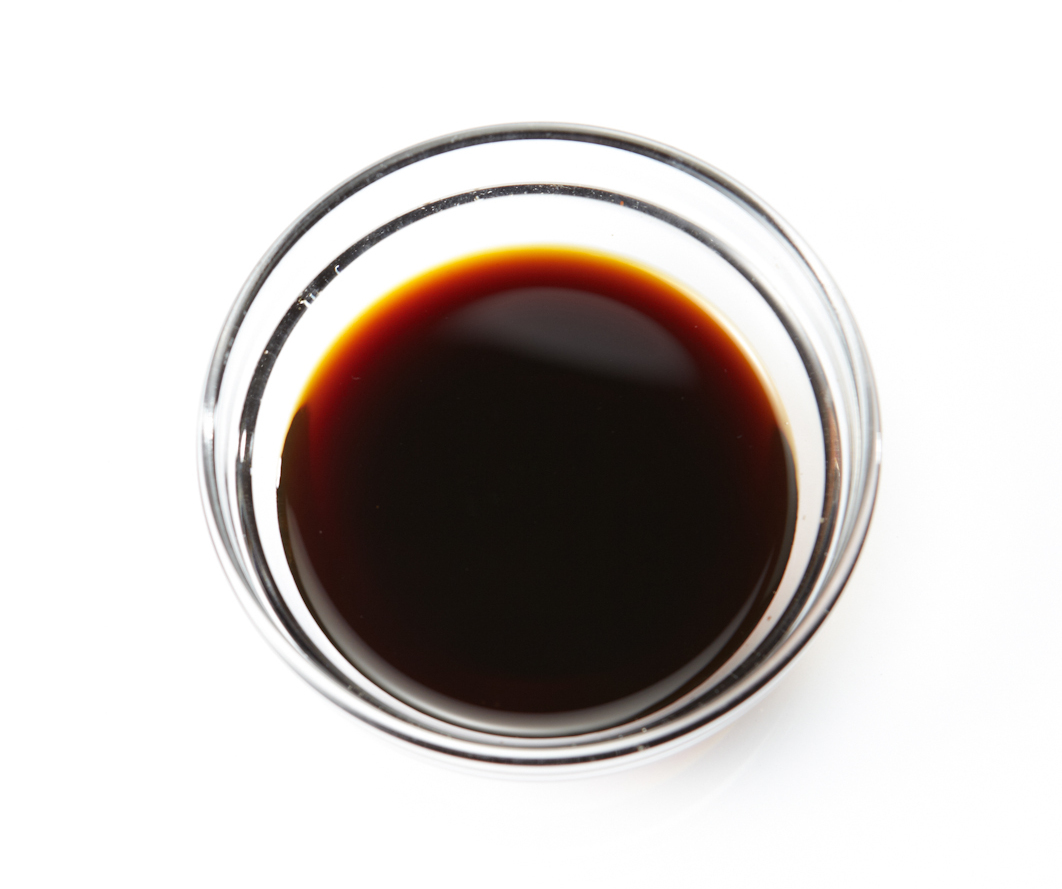
Meju (메주) is a brick of dried, fermented soybeans that is the base for some of Korea's most essential foods, including soybean paste (doenjang) and soy sauce (ganjang). The process begins with boiling soybeans for six to eight hours, crushing the hot beans, and pressing them into dense blocks. These blocks are then dried for several days before undergoing a wild fermentation that can last for months. This is not a sterile process; the blocks are colonized by a complex succession of microorganisms from the environment, particularly from the rice straw used to tie and hang the blocks. The air itself, inside and outside the fermentation rooms, contributes to the microbial population, with fungal concentrations inside fermentation rooms averaging around 1,524 CFU/m3.
The fermentation is a multi-stage microbial relay. Initially, bacteria from the genus Bacillus, especially Bacillus subtilis, dominate the process. These bacteria are often introduced via the equipment used to mold the meju and are necessary for producing enzymes like proteases and amylases. These enzymes begin breaking down the soybeans' proteins and carbohydrates into simpler compounds. As fermentation progresses, the microbial community shifts. Lactic acid bacteria such as Enterococcus and Lactococcus appear, which can lower the pH early on. Fungi, primarily from the phylum Ascomycota, also establish themselves. While yeasts like Candida may be present early, molds like Aspergillus, Scopulariopsis, and Monascus become dominant later in the process. The species present vary significantly by region and even by household, creating different flavor profiles.
A Symphony of Biochemical Transformation
The microbial activity within the meju block transforms its chemical composition entirely. The enzymes produced by Bacillus and Aspergillus species are the primary agents of change. Proteases hydrolyze the large soy proteins into smaller peptides and free amino acids, such as glutamic acid, aspartic acid, leucine, and alanine. These compounds are responsible for the umami flavor of doenjang. Amylases work on the carbohydrates, breaking them down into simple sugars. This enzymatic action causes the pH of the meju to rise after an initial dip, and moisture content decreases significantly over the 70-day fermentation period.
The exterior and interior of the block develop distinct microbial communities due to different oxygen levels. Aerobic bacteria like Bacillus thrive on the outside, while anaerobic and facultative anaerobes like Enterococcus and Lactobacillus are more abundant inside. This differentiation contributes to the complexity of the final product. After the initial fermentation, the hardened meju blocks are soaked in brine for several more months. The liquid becomes soy sauce, and the rehydrated, now paste-like meju is aged further to become doenjang. The final paste is a source of isoflavones, amino acids, and peptides.