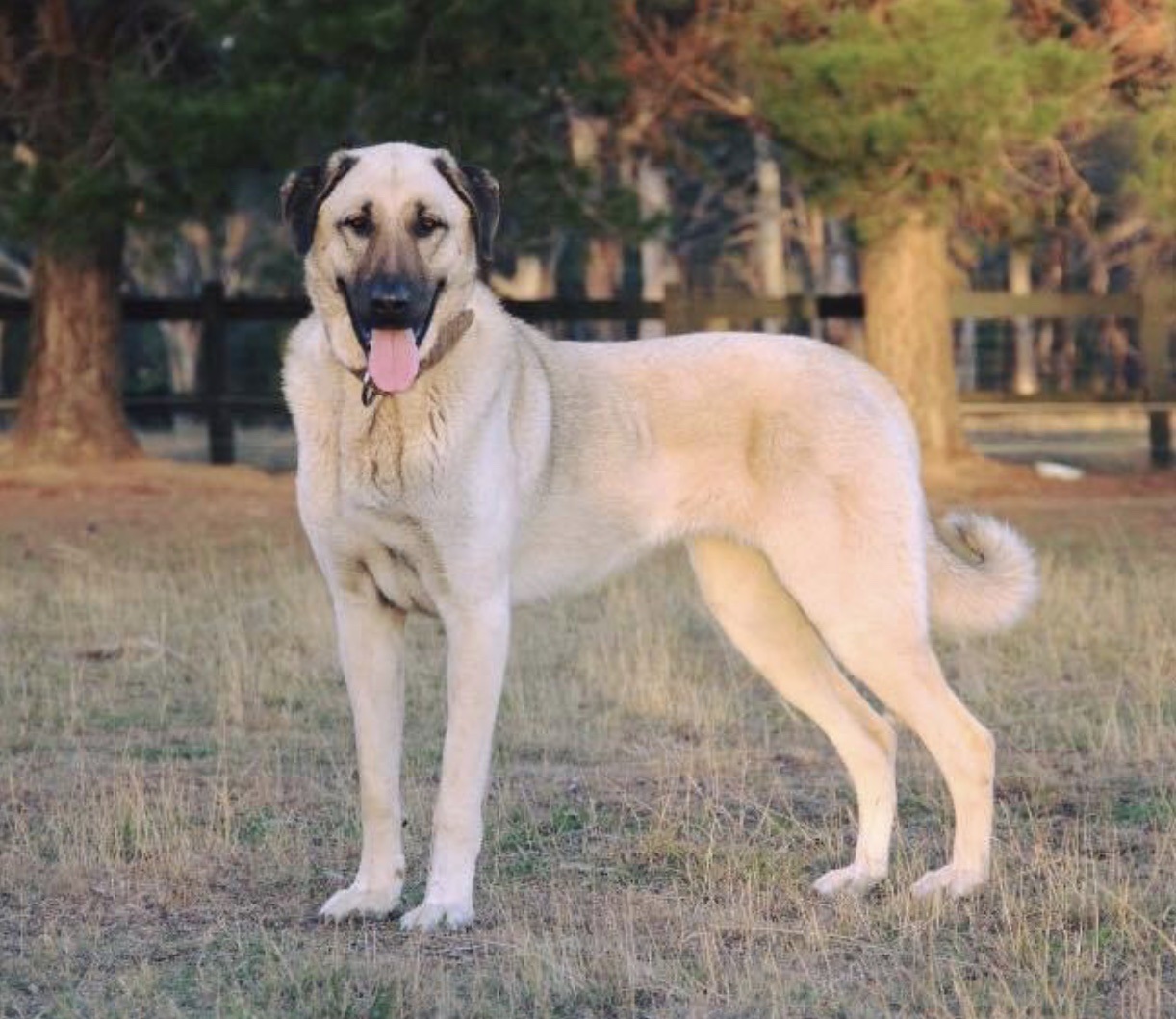
The Thin Air Problem
At an elevation of 3,000 meters in the mountains of Eastern Anatolia, the partial pressure of oxygen is roughly 70% of what it is at sea level. For most mammals, including humans and unacclimated dogs, this environment induces hypoxia, a condition where the body is deprived of adequate oxygen supply. The immediate physiological responses include an increased heart rate, rapid breathing, and lethargy. Prolonged exposure can lead to severe health issues like high-altitude pulmonary edema, a dangerous buildup of fluid in the lungs. Yet for centuries, the Anatolian Shepherd Dog has thrived here, performing the strenuous job of a livestock guardian.
These dogs, also known in Turkey as Kangal Shepherd Dogs, patrol the rugged terrain, protecting sheep and goats from predators in an environment that would incapacitate most other breeds. Their ability to function at such high elevations is not a matter of acclimatization; it is written into their DNA. Their physiology is a specialized solution to the life-threatening challenge of thin air.
A Superior Oxygen Carrier
The Anatolian Shepherd's primary adaptation lies within its blood. Like other canids adapted to high altitudes, they possess genetic variants that alter the structure and function of hemoglobin, the protein in red blood cells responsible for transporting oxygen. While most research has focused on Tibetan Mastiffs, the principles of high-altitude adaptation in canids point to specific genetic loci. Studies on high-altitude dogs have identified mutations in genes like EPAS1 and those in the beta-globin cluster (HBB), which are involved in the body's response to hypoxia.
The EPAS1 gene is a transcription factor that regulates the body's response to low oxygen. Variants of this gene, found in high-altitude dogs, help moderate the production of red blood cells, preventing conditions like polycythemia (an overabundance of red blood cells) which can thicken the blood and strain the heart. This differs from some humans who acclimate by increasing red blood cell counts.
Specific mutations in the hemoglobin genes themselves increase the molecule's binding affinity for oxygen. This allows the dog's blood to become saturated with oxygen more efficiently, even when less is available in each breath. In Tibetan Mastiffs, which share a similar high-altitude lineage, this adaptation was traced to genetic material introgressed, or transferred, from ancient, high-altitude Tibetan wolves. This genetic borrowing provided a rapid evolutionary shortcut to surviving in the mountains. The Anatolian Shepherd's long history in the highlands suggests a similar, deeply ingrained evolutionary trajectory.