A world monopoly begins
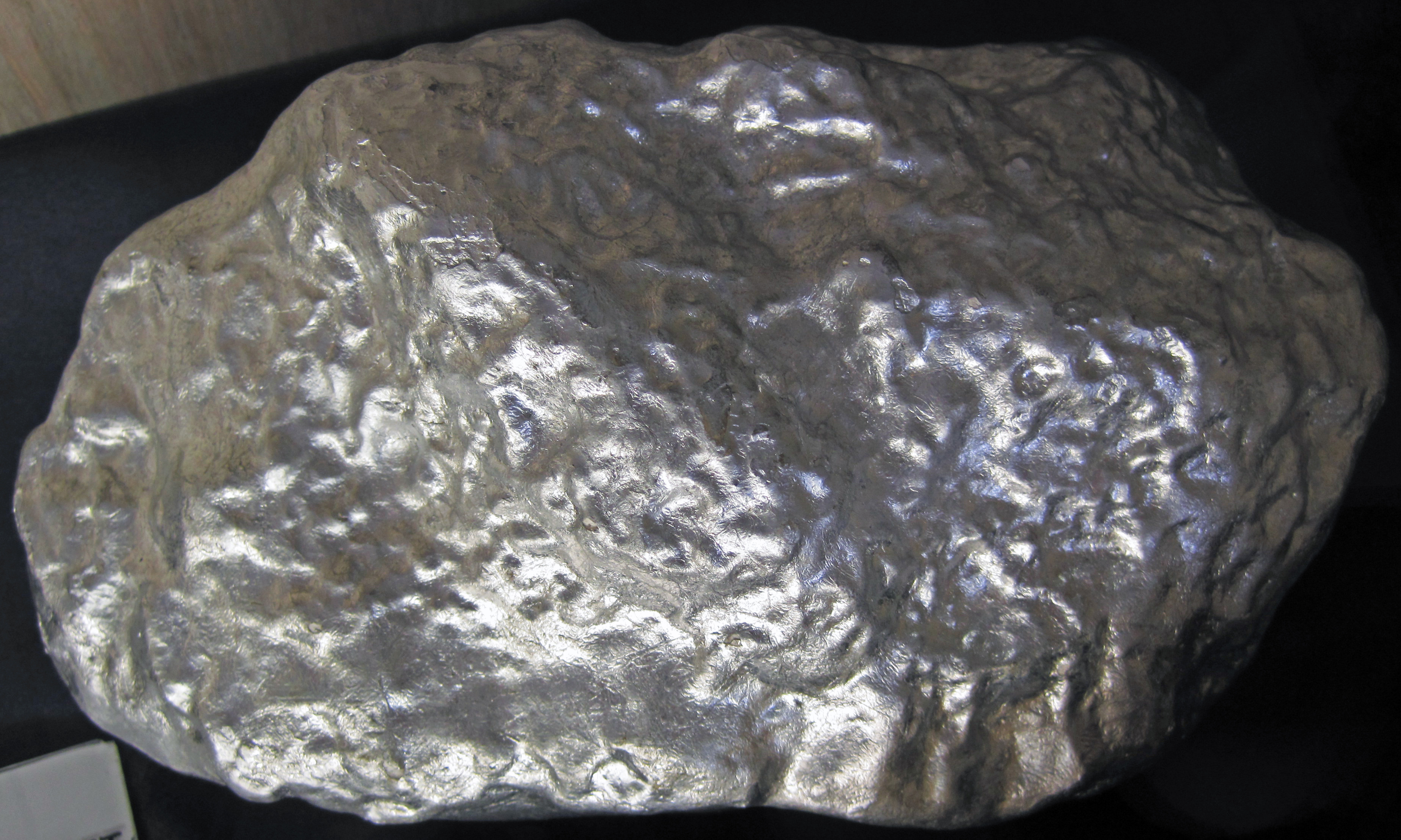
In 1819, near the city of Yekaterinburg, miners discovered a heavy, silvery metal mixed in with gold placer deposits. Initially, its identity was a mystery, and some miners, finding it difficult to separate from gold, called it "gnioloe zoloto" or "rotten gold." This "new Siberian metal" was soon identified as platinum. By 1824, prospectors uncovered deposits so immense that Russia quickly eclipsed Colombia as the world's primary source. The mines, many owned by the famous Demidov family, began producing on an industrial scale.
The sudden influx of this rare metal was transformative. In 1828 alone, Russian mines produced 1.5 tonnes of platinum, an amount that would have taken South American sources a century to match. At its peak in the early 1900s, the Ural Mountains supplied approximately 95% of the world's platinum. Between 1824 and 1970, records show that about 450 tonnes of platinum were extracted from the region. This massive supply made the metal available for new applications in science and industry, from electrical contacts to laboratory equipment, and set a new standard of value.
Deep-time geology
The platinum's origin story begins hundreds of millions of years ago. The Ural Mountains are the remnants of the Uralian orogeny, a mountain-building event that occurred during the late Carboniferous to early Triassic periods. This process involved the slow collision of the ancient continents of Laurasia and Kazakhstania, which crumpled the Earth's crust and created the mountain range. This geological activity also emplaced a series of ultramafic-mafic intrusions, which are bodies of magma from deep within the Earth's mantle that are rich in heavy elements.
These intrusions, known as Ural-Alaskan type complexes, form a 900-kilometer-long "Ural platinum-bearing belt." The primary deposits are found within specific rock types like dunite and are often associated with the mineral chromite. Over geologic time, the mountains eroded. Weathering freed the dense platinum from its host rock. Rivers and streams then transported and concentrated the metal grains and nuggets into placer deposits, where they were eventually discovered in the 19th century.