The Slowest Fast Food
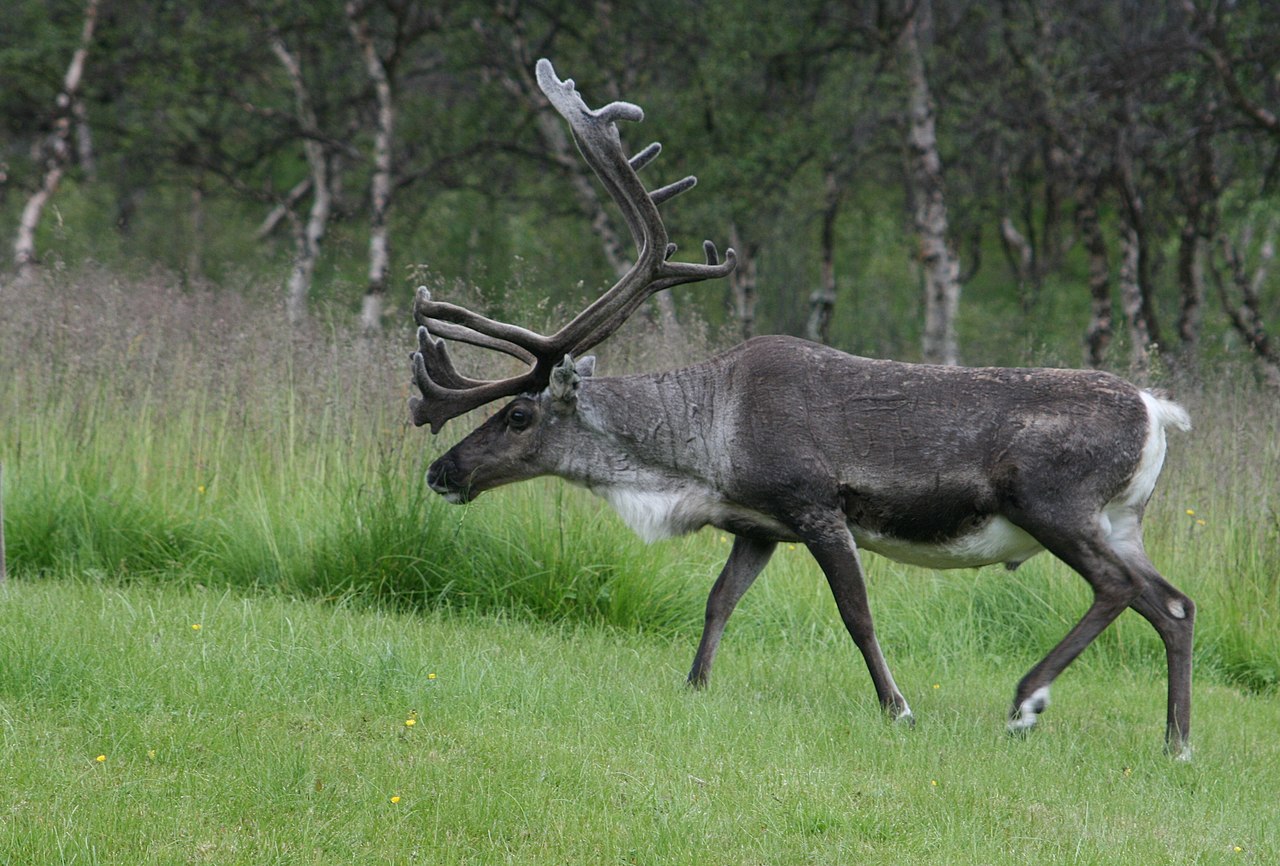
The Taimyr Peninsula in northern Siberia is a vast expanse of arctic tundra where the world's largest wild reindeer herd (Rangifer tarandus). At its peak in 2000, the population numbered one million animals. These massive herds survive the brutal winters by relying almost exclusively on a single food source: lichen. Commonly called reindeer moss, it is not a plant but a symbiotic organism composed of a fungus and an alga. The dominant species on the peninsula is Cladonia rangiferina, or reindeer lichen.
This organism is defined by its incredibly slow development. Under the harsh conditions of the Arctic, reindeer lichen grows between 3 and 5 millimeters per year. A mature lichen mat, which can be 8 centimeters high, may take decades to form. This slow growth is caused by the short arctic summer, low temperatures, and scarce nutrients. The lichen's life is a process of accumulating energy in one of the planet's most unforgiving environments. The reindeer's survival is therefore tied to a food source that measures its own life in decades.
A Precarious Balance
The relationship between the Taimyr reindeer and their primary food is delicate. An adult reindeer can consume 4 to 8 kilograms of dry lichen daily during the winter. To find it, they use a keen sense of smell that can detect lichen through a meter of snow. Their large, sharp-edged hooves are adapted for digging through snow and ice in a behavior known as "cratering". Reindeer possess a unique enzyme, lichenase, that allows them to break down the lichen's complex carbohydrates into glucose for energy.
This efficient foraging comes at a cost to the ecosystem. The immense size of the Taimyr herd can lead to widespread overgrazing. Once a lichen mat is consumed, its recovery is a slow and lengthy process. Studies on overgrazed areas show that it can take 30 to 40 years for lichen biomass to return to a level that can sustain grazing. Full recovery can take more than 70 years. The herd's population has seen a steep decline in recent years, dropping to an estimated 240,000, with climate change and illegal hunting cited as major factors alongside the degradation of their pasture. Rivers thaw earlier, causing newborn calves to perish during migration crossings, further straining the population's ability to recover.