A Candidate from the Cosmos
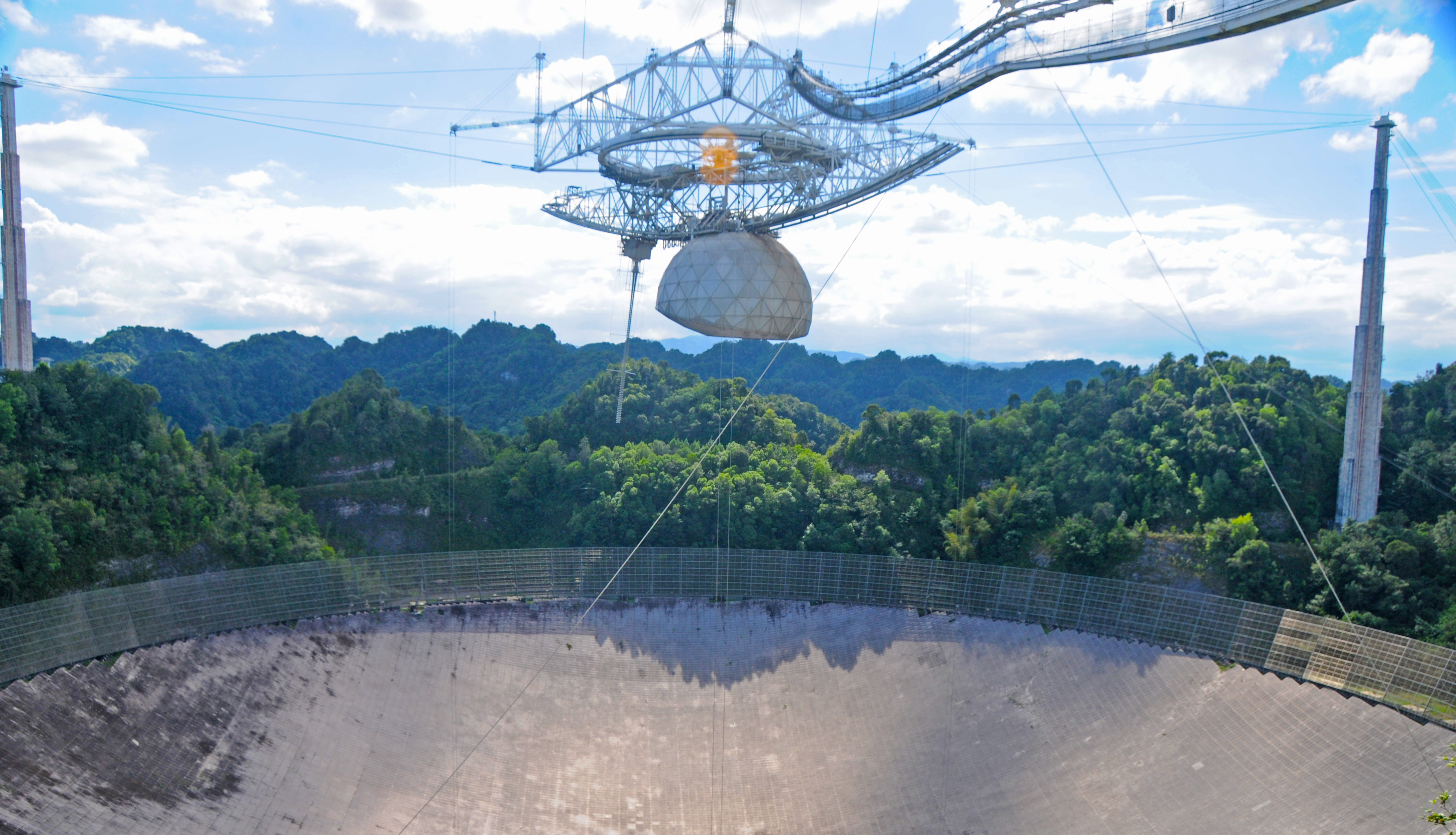
In March 2003, the SETI@home project, a distributed computing experiment that used volunteers' personal computers to analyze radio telescope data, identified a curious signal. Labeled SHGb02+14a, the transmission originated from a point between the constellations Pisces and Aries. The now-decommissioned Arecibo Observatory in Puerto Rico captured the signal on three separate occasions, with a total observation time of about one minute.
The signal's most significant feature was its frequency: approximately 1420 MHz. This value is significant in the search for extraterrestrial intelligence. It corresponds to the hydrogen line, a natural emission frequency of neutral hydrogen, the most abundant element in the universe. Scientists have long theorized that any civilization attempting interstellar communication might use this fundamental frequency as a universal sign. The source of SHGb02+14a is in a direction where no stars are observed within 1000 light-years of Earth.