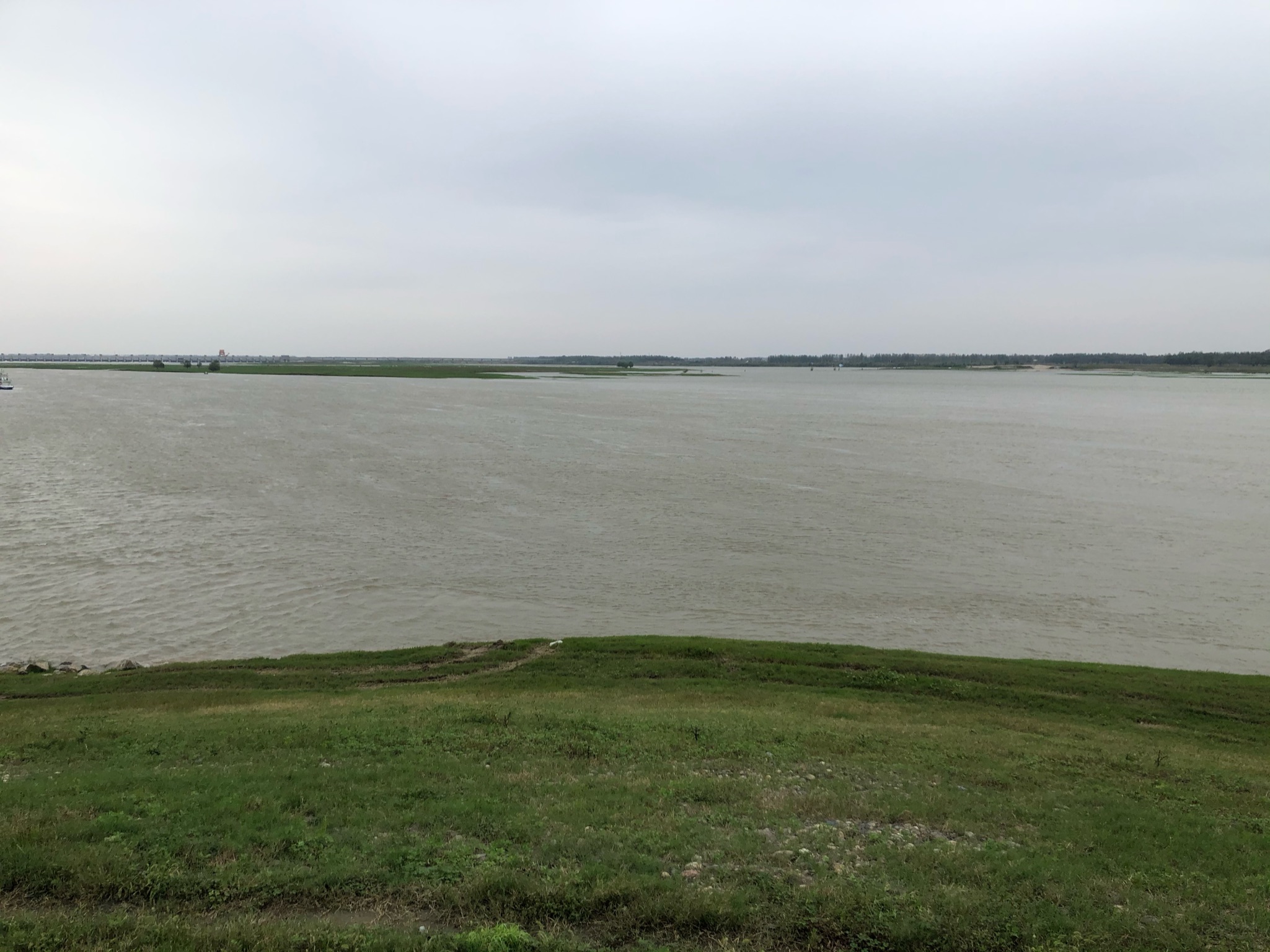
A continental re-plumbing
The Hanjiang River Interbasin Transfer is the official name for the Middle Route of China's immense South-to-North Water Diversion Project. This route is a 1,432-kilometer-long engineered artery, designed to move freshwater from the Danjiangkou Reservoir on the Han River to the arid North China Plain, supplying cities like Beijing. Construction on this massive undertaking began in 2003, with the first water deliveries commencing in late 2014. The project's primary goal is to transport 9.5 billion cubic meters of water each year to alleviate chronic water shortages in the north.
To make this possible, engineers undertook a dam modification. The Danjiangkou Dam, first built between 1958 and 1973, was heightened by 14.6 meters. This process, completed between 2005 and 2009, raised the dam's crest elevation from 162 meters to 176.6 meters. The height increase expanded the reservoir's storage capacity by 11.6 billion cubic meters, bringing the total capacity to 29.05 billion cubic meters. The project necessitated the relocation of approximately 345,000 people to accommodate the expanded reservoir and canal routes.