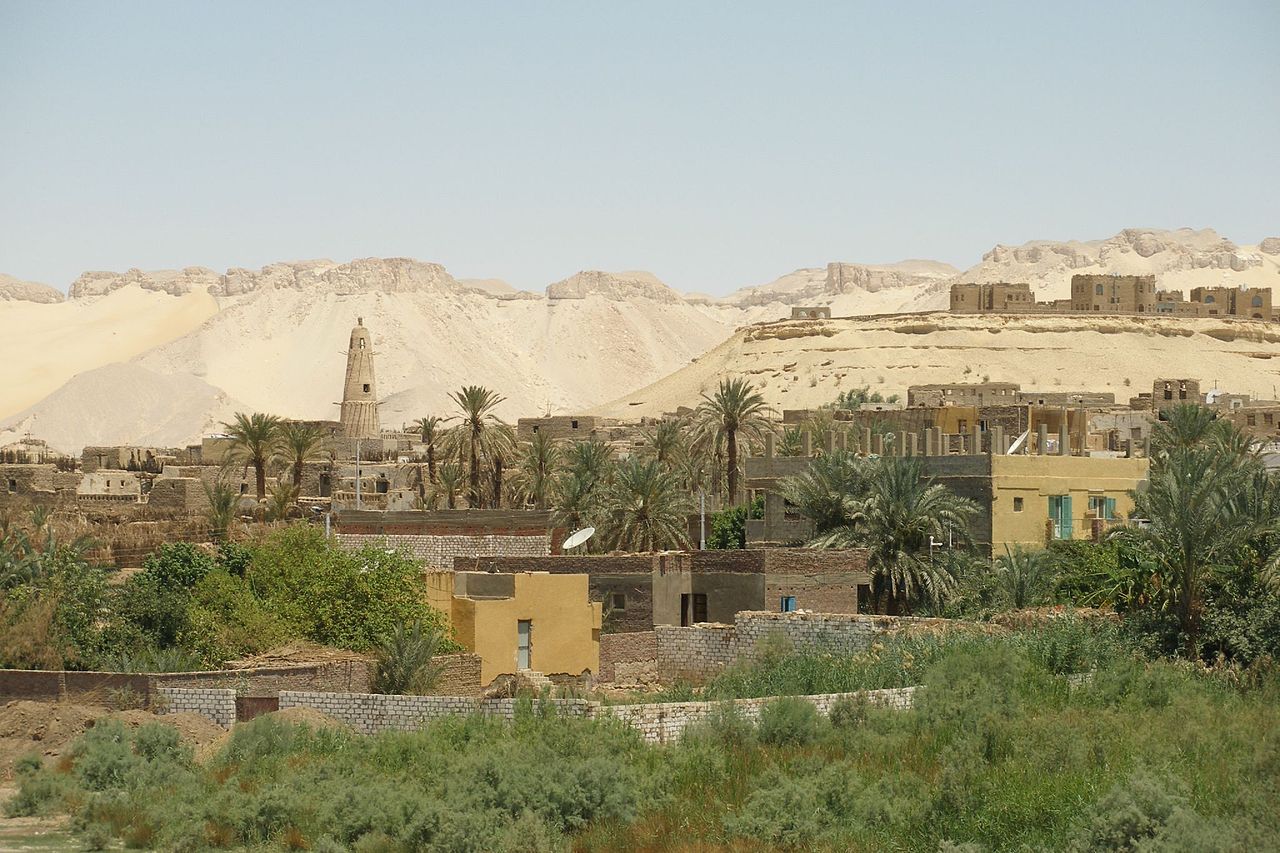
A Desert Refuge for Forbidden Knowledge
In the Dakhleh Oasis, 350 km west of the Nile Valley, the mud-brick ruins of ancient Kellis lie partially buried in sand. Known today as Ismant el-Kharab ("Ismant the Ruined"), the town was occupied from the 1st to the late 4th century CE. While Kellis appears to be a typical Roman Egyptian settlement, excavations by the Dakhleh Oasis Project since 1986 have revealed its unique scientific value. In one residence, archaeologists unearthed a collection of 4th-century personal letters, religious texts, and wooden books (codices) that are the largest-ever find of Manichaean scriptures.
Manichaeism was a gnostic religion founded in the 3rd century CE by a Persian prophet named Mani. It synthesized elements of Zoroastrianism, Buddhism, and Christianity into a dualistic worldview of a primal conflict between a world of light (God) and a world of darkness (Satan). The Roman Empire, particularly after adopting Christianity, viewed Manichaeism as a dangerous heresy. Imperial edicts commanded the persecution of its followers and the destruction of their texts. The discovery at Kellis is direct physical evidence of a thriving Manichaean community in a remote corner of the empire, far from centralized authority.
The documents, primarily written in Coptic and Greek, were preserved by the arid climate. Found in House 3, the texts include letters of Mani himself, psalms, prayers, and theological treatises. Two of the Kellis codices—books made of multiple wooden boards tied together—are among the best-preserved examples of their kind and show the technological transition from scrolls to the modern book format. The writings give an unparalleled view of the community's daily life, beliefs, and social networks, showing how they integrated their "heretical" faith with the routines of village life.
A Multi-Faith Community
The scientific value of Kellis includes more than the Manichaean texts. The site reveals a religiously diverse population living together. Excavations have identified three mud-brick churches, pagan temples, and residential areas. The main temple complex was dedicated to the local god Tutu and his consort Tapshay and mother Neith. The presence of Christian texts, including portions of the New Testament in Coptic, shows that Manichaeans shared the town with orthodox Christians and followers of traditional Egyptian deities.
Archaeological science shows life in this oasis town. Bioarchaeological studies of human remains from the town's cemeteries reveal details about the inhabitants' diet, health, and burial practices. Analysis of animal bones and botanical remains helps reconstruct the local environment and agricultural economy, which included the cultivation of olives, dates, and figs. The more than 2,000 non-literary texts found—written on papyrus, pottery sherds (ostraca), and wooden boards—document the town's administration and economy until its abandonment around the end of the 4th century CE.