An industrial hub in the sand
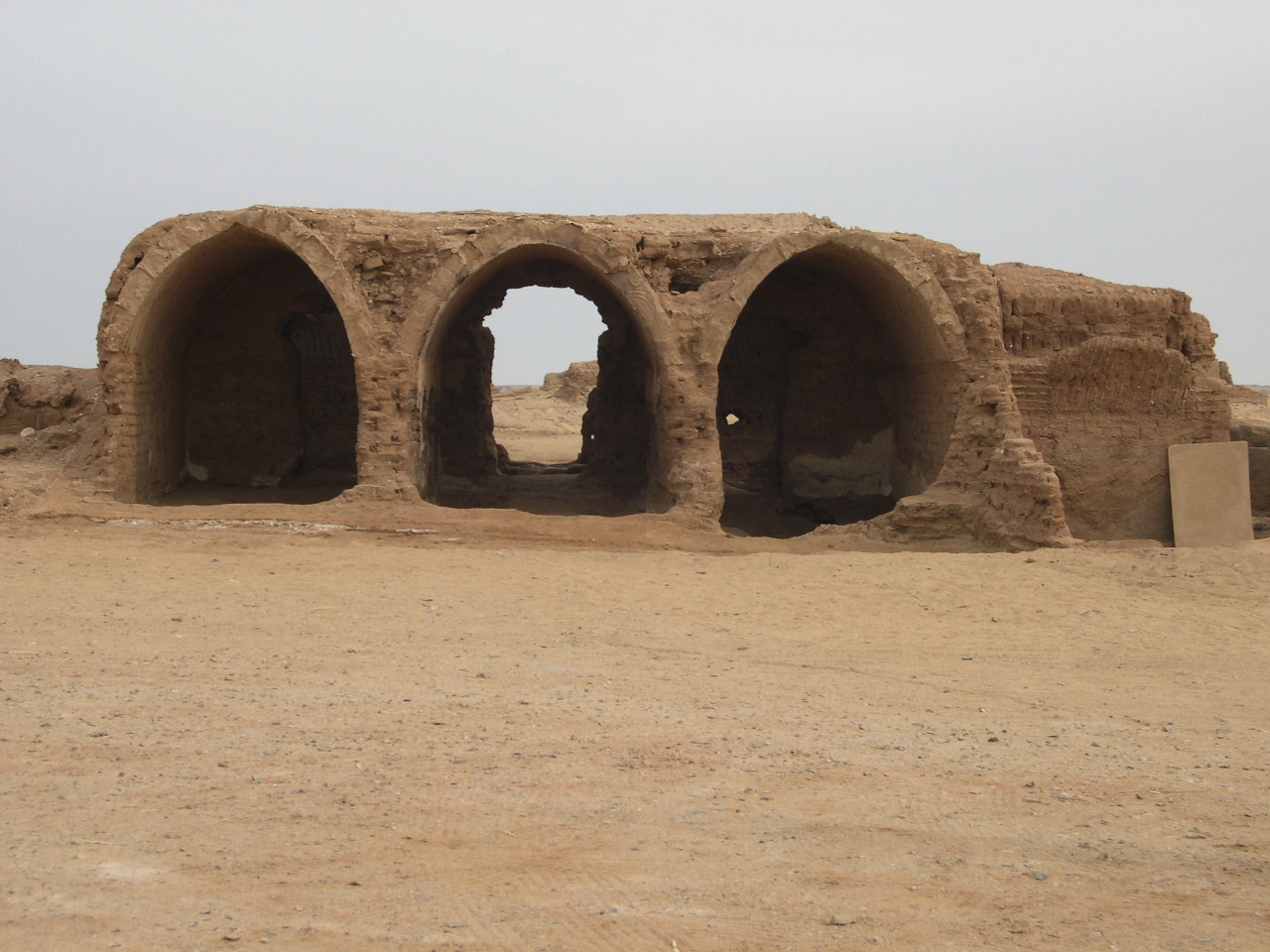
In the Dakhla Oasis of Egypt’s Western Desert lies Ismant el-Kharab, the ancient town of Kellis. From the 1st to the 4th centuries CE, this was a bustling community with homes, temples, and even three early Christian churches. But Kellis was an industrial center, known for its large-scale production of high-quality ceramics. Archaeological work, primarily by the Dakhla Oasis Project, has uncovered the workshops and kilns that drove the town's economy.
The scale of production was substantial. Excavations in what archaeologists have designated "Area C" revealed an industrial zone with multiple kilns. These structures were not simple fire pits but engineered updraft kilns built of mud-brick. Their design allowed for efficient heat circulation, a necessity for consistently firing large batches of pottery. The preservation at the site is so complete that vitrified bricks and slag from the firing process are still found scattered around the kiln sites, physical remnants of the intense heat required for pottery manufacture.
The location was no accident. Potters had access to local clay deposits of differing compositions. By selecting and blending these clays, they could produce a range of ceramic bodies, from coarse utility wares to fine-walled, elegant tableware. The finished products were for local and regional use; Kellis pottery was traded throughout the oasis and exported to the Nile Valley, showing the town's integration into the wider economy of Roman Egypt.
The science of Kellis ware
The pottery of Kellis is studied through intense scientific study. Archaeologists classify the main products into distinct groups, such as "Kellis White Ware" and "Kellis Orange Ware," based on the color and composition of the fired clay. The production of these different wares was intentional, achieved by using specific local clays—one calcareous, the other rich in iron.
Petrographic analysis, which involves examining thin sections of pottery under a microscope, allows scientists to identify the mineral inclusions in the clay. This technique helps confirm the local origin of the pottery by matching the mineral "fingerprint" of the sherds to the geology of the Dakhla Oasis. Chemical analyses like Wavelength-Dispersive X-ray Fluorescence (WD-XRF) provide even more precise data on the elemental composition of the clays, enabling researchers to differentiate Kellis products from those made elsewhere with near-certainty.
One of the major challenges for this desert industry was fuel. Firing a kiln to the necessary temperature of over 900°C requires a large amount of combustible material. In the arid oasis environment, wood was a scarce resource. Scientific analysis of the kiln sites and surrounding areas suggests that potters used a combination of acacia wood, animal dung, and agricultural waste to fire their kilns, evidence of their efficient use of available resources. The study of these ancient kilns provides direct physical data on Roman-era industrial technology and resource management in a marginal environment.