A Cretaceous congregation
In the arid interior of northeastern Brazil lies the Araripe Basin, a geological depression containing one of the world's most important fossil deposits. The rocks here, specifically the Crato and Romualdo Formations of the Santana Group, date back to the Early Cretaceous period, around 113 to 110 million years ago. This basin was once a complex system of lakes and lagoons, and the unique chemical conditions of the water led to the exceptional preservation of countless organisms. This type of fossil site is known to paleontologists as a Lagerstätte.
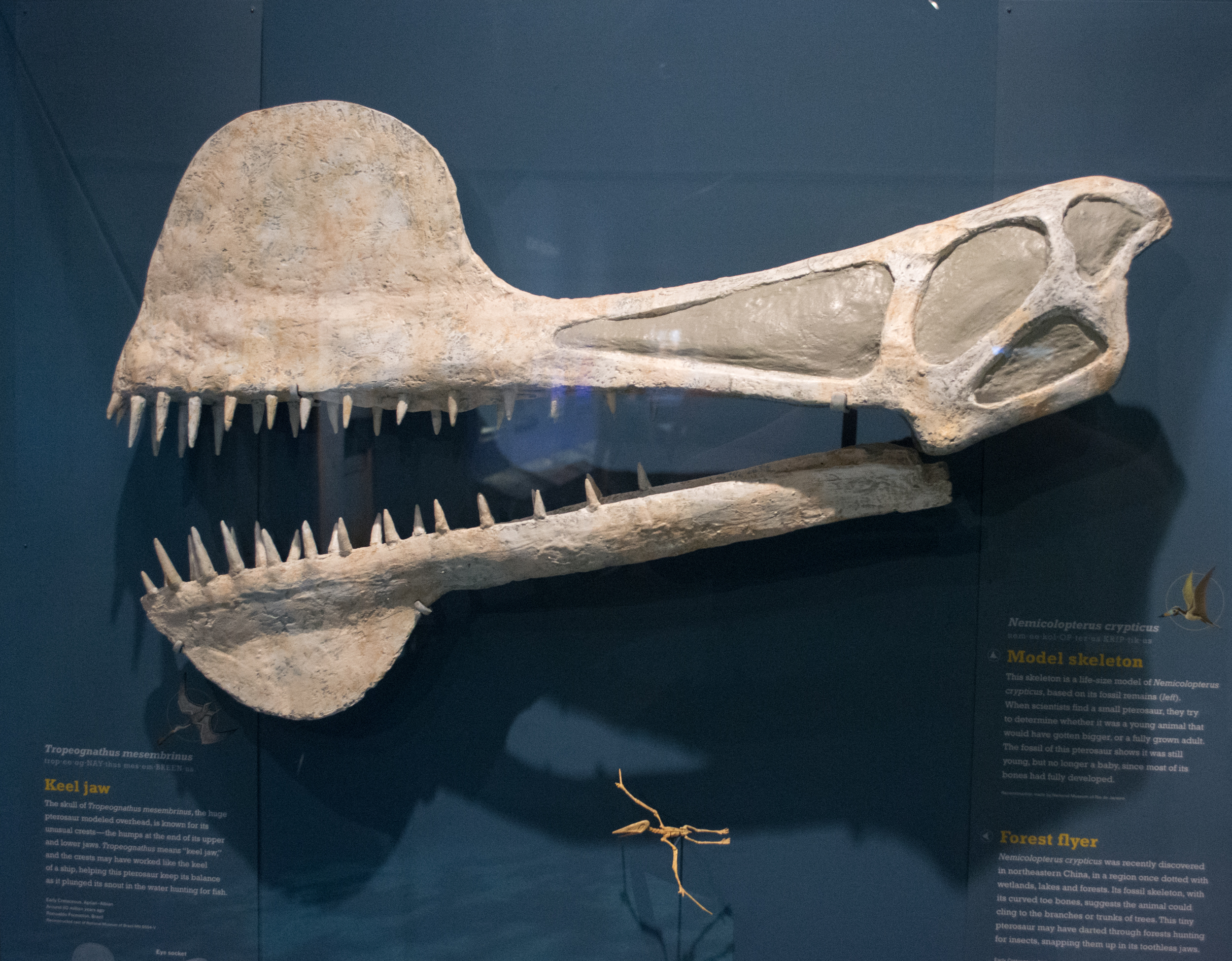
The Araripe Basin is known for its diversity of pterosaurs, the flying reptiles of the dinosaur era. Fossils of species like Tapejara and Thalassodromeus are found here, often with soft tissues like crests and membranes preserved. The strongest evidence of pterosaur social life comes from finds that strongly suggest colonial nesting. Discoveries of concentrated eggshell fragments and the scattered bones of very young, juvenile pterosaurs in specific layers indicate these areas were nurseries. This suggests that, much like modern seabirds, some pterosaur species gathered in large groups to lay eggs and raise their young.
Life in the nursery
The evidence points toward gregarious behavior, a change from the idea of solitary reptiles. While large bone beds of colonial pterosaurs, like those of Caiuajara dobruskii, have been found in other parts of Brazil, the Araripe discoveries suggest similar behaviors. The presence of individuals of different ages together supports the hypothesis that these animals lived in colonies.
Analysis of pterosaur eggs from other sites shows they were likely soft-shelled and leathery, similar to the eggs of some modern lizards and turtles. This structure means the eggs probably needed to be buried in soil or sand to prevent them from drying out. The hatchlings themselves may have been precocial, meaning they were relatively mobile and could fend for themselves shortly after birth, possibly even flying at a very young age. The concentration of these fossils in the lakebed sediments of the Araripe Basin shows pterosaur reproduction and early life during the Cretaceous.