A recipe for fertility
The vast Amazon rainforest grows on surprisingly infertile and acidic soils, primarily reddish, clay-like oxisols. Yet, scattered throughout the basin are patches of terra preta do índio (Indian black earth), a dark, exceptionally fertile soil that is an artifact of pre-Columbian civilizations. These human-made soils, or anthrosols, were created between 450 BCE and 950 CE. They are found in plots averaging 20 hectares, though some sites can be much larger.
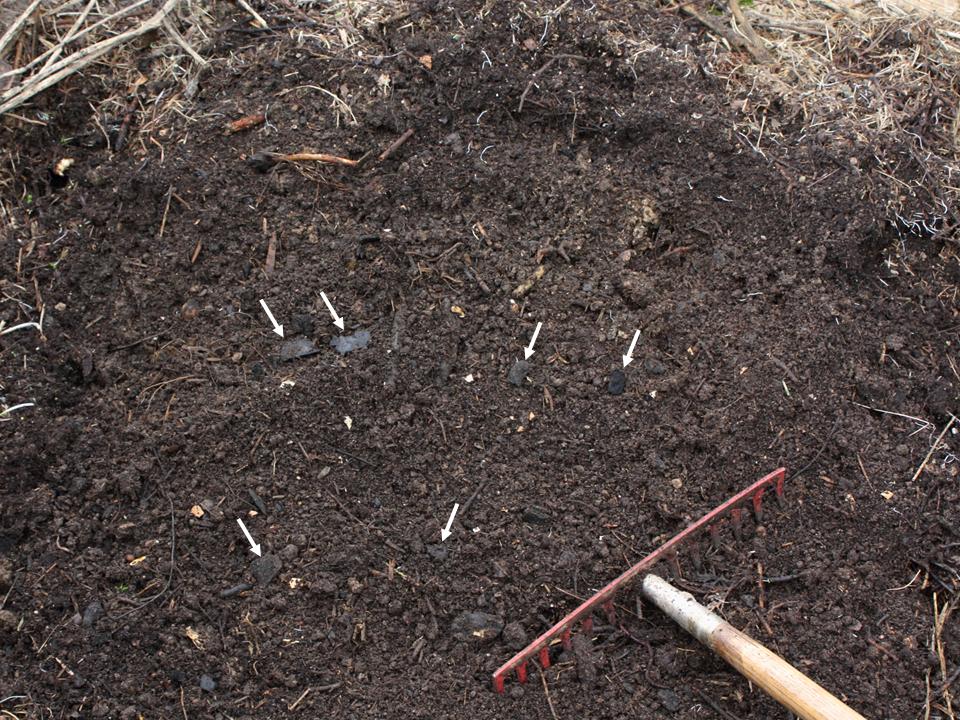
The main ingredient is charcoal, produced from burning organic matter at low temperatures in a process now called pyrolysis. This "biochar" gives the soil its characteristic black color and stable structure. Unlike the slash-and-burn agriculture common today, which releases most carbon into the atmosphere, this ancient "slash-and-char" technique converted up to 50% of the biomass carbon into a stable form. This charcoal was mixed with a dense combination of settlement waste: animal and fish bones, manure, compost, and large quantities of broken pottery. This mixture creates a soil with up to 70 times more charcoal than the surrounding earth. The porous nature of the charcoal provides a habitat for beneficial microorganisms and fungi, which help retain water and nutrients.
A persistent anomaly
Terra preta deposits can reach depths of two meters, different from the shallow topsoil of typical Amazonian earth. The soil contains about three times more organic matter, nitrogen, and phosphorus than adjacent soils. Its phosphorus content can reach 200-400 mg per kg. This remarkable nutrient retention prevents the leaching that plagues other tropical soils, allowing for continuous cultivation. Some terra preta sites have been farmed for over 40 years without fertilizer.
The soil's ability to store carbon is also important. A hectare of meter-deep terra preta can contain 250 tonnes of carbon, compared to about 100 tonnes in unimproved soils. This ancient soil management practice effectively created a long-term carbon sink, locking carbon away for centuries or even millennia. One of the most intriguing properties of terra preta is its apparent ability to regenerate, growing at a rate of about one centimeter per year, though the exact mechanisms are still being studied. The unique microbial communities within the soil appear to help in this self-renewing process.