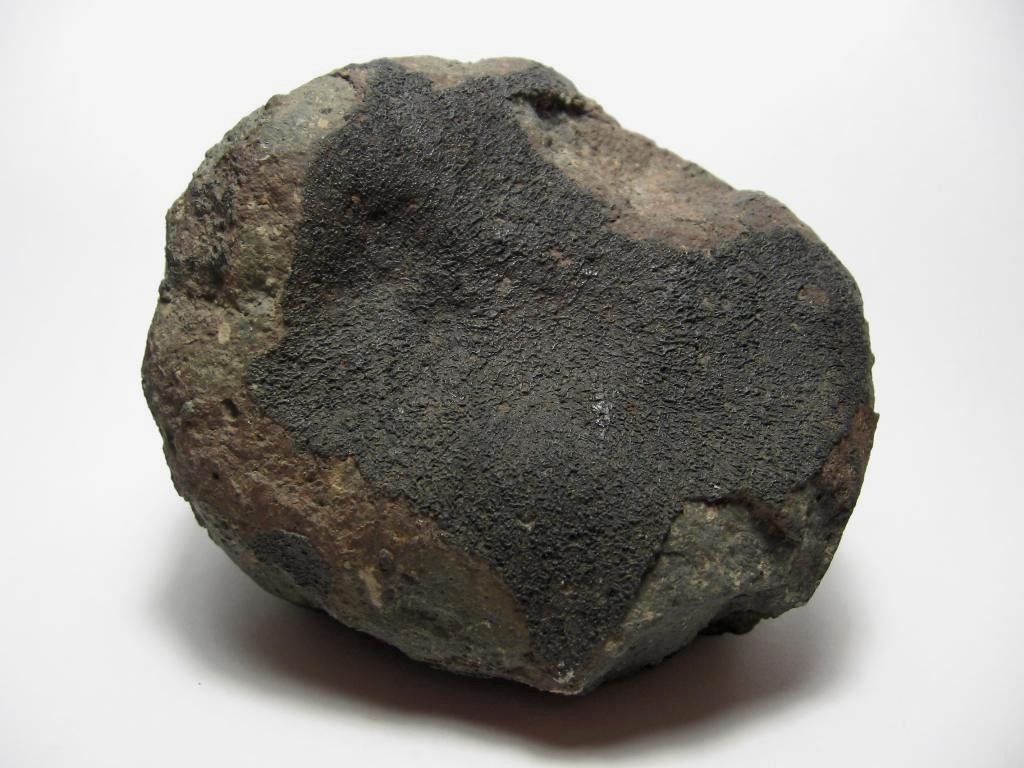
The Fireball of 1969
At 1:05 AM on February 8, 1969, a brilliant fireball lit up the sky over northern Mexico and the southwestern United States. The object, estimated to be the size of a car, entered the atmosphere at over 16 kilometers per second (36,000 mph) before exploding. The blast produced tremendous detonations and a strong air blast felt across the region. Thousands of stone fragments rained down near the village of Pueblito de Allende, creating one of the largest meteorite strewn fields ever recorded.
The fragments scattered over a desert area measuring approximately 50 by 8 kilometers. In the days and years that followed, an intensive search effort recovered over 2,000 kilograms (2.2 tons) of material, making the Allende meteorite the largest carbonaceous chondrite ever found on Earth. Individual pieces range in size from over 110 kilograms to less than a gram. The timing of the fall was fortunate; planetary science labs, newly equipped in preparation for the Apollo Moon landings, were immediately ready to analyze the abundant samples. This readiness helped make Allende one of the most studied meteorites in history.
A Solar System Time Capsule
The Allende meteorite is classified as a CV3 carbonaceous chondrite, a primitive type of stony meteorite that has changed little since its formation. Slicing open a fragment reveals a dark matrix containing round grains called chondrules and irregular, whitish patches. These patches are Calcium-Aluminium-rich Inclusions, or CAIs.
Analysis of the CAIs yielded a stunning result. These inclusions are the oldest known solids that formed within our solar system, dating to 4.567 billion years ago. This measurement, established through radiometric dating, is still used as the definitive age of the solar system. The CAIs are about 30 million years older than the Earth itself.
Even more remarkably, the meteorite’s matrix contains presolar grains, stardust. These tiny specks of matter, including nanodiamonds and silicon carbide, originated from ancient stars such as red giants and supernovas that existed long before our Sun. These grains survived the formation of the solar nebula and became embedded in the asteroid that would eventually become the Allende meteorite. Scientists have also discovered several minerals new to science within Allende fragments, including panguite, a titanium oxide that is one of the oldest minerals ever found.