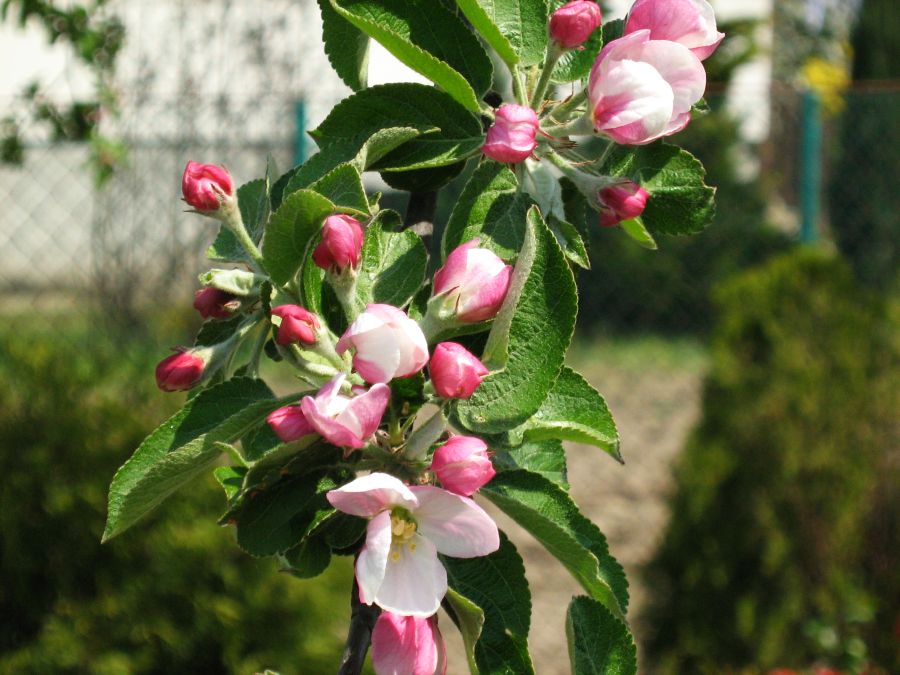
The genetic ancestor
In the Tian Shan mountains near Tashkent, wild fruit forests contain the primary ancestor of every domesticated apple (Malus domestica) consumed today. This wild species, Malus sieversii, is the main progenitor of modern apples, with DNA analysis confirming its foundational role in the apple genome. While thousands of apple varieties exist, only about 15 types account for 90% of apples grown in the United States, making the genetic diversity of M. sieversii an important resource.
These ancient forests are not uniform orchards; complex ecosystems. The trees themselves show immense variation, with some growing to 18 meters (60 feet) and living for up to 160 years. The fruit of Malus sieversii is equally diverse, ranging in diameter up to 7 cm, a size comparable to many modern cultivars. Their flavors span a wide spectrum from intensely sour to sweet, with notes of honey and berry. This species provides traits for disease resistance and adaptability that are less common in commercially grown monocultures. The species is currently classified as Vulnerable on the IUCN Red List due to habitat loss from agriculture and development.
Tracing the traits
The spread of the apple from wild Central Asian forests to global cultivation occurred over thousands of years, facilitated by travelers along the Silk Road. Modern genetic sequencing reveals the precise inheritance from these wild populations. Studies comparing 117 different apple varieties showed that approximately 46% of the domestic apple's genome comes directly from Malus sieversii. Another 21% is from the European crabapple (Malus sylvestris), with the rest from unknown sources.
Specific genes responsible for taste and texture have been traced back to these ancestral groves. For example, a region on chromosome 12, which co-localizes with a quantitative trait locus for sorbitol (a sugar alcohol that contributes to sweetness), shows signs of human selection from M. sieversii populations. This region contains genes for four different sorbitol transporters. Similarly, the MA1 gene, which regulates the malic acid content that gives apples their tartness, also shows a clear evolutionary path from these wild Central Asian ancestors. This evidence demonstrates how human selection for sweeter, less acidic fruits acted directly on the genetic blueprint provided by Malus sieversii.