A Deadly Invitation
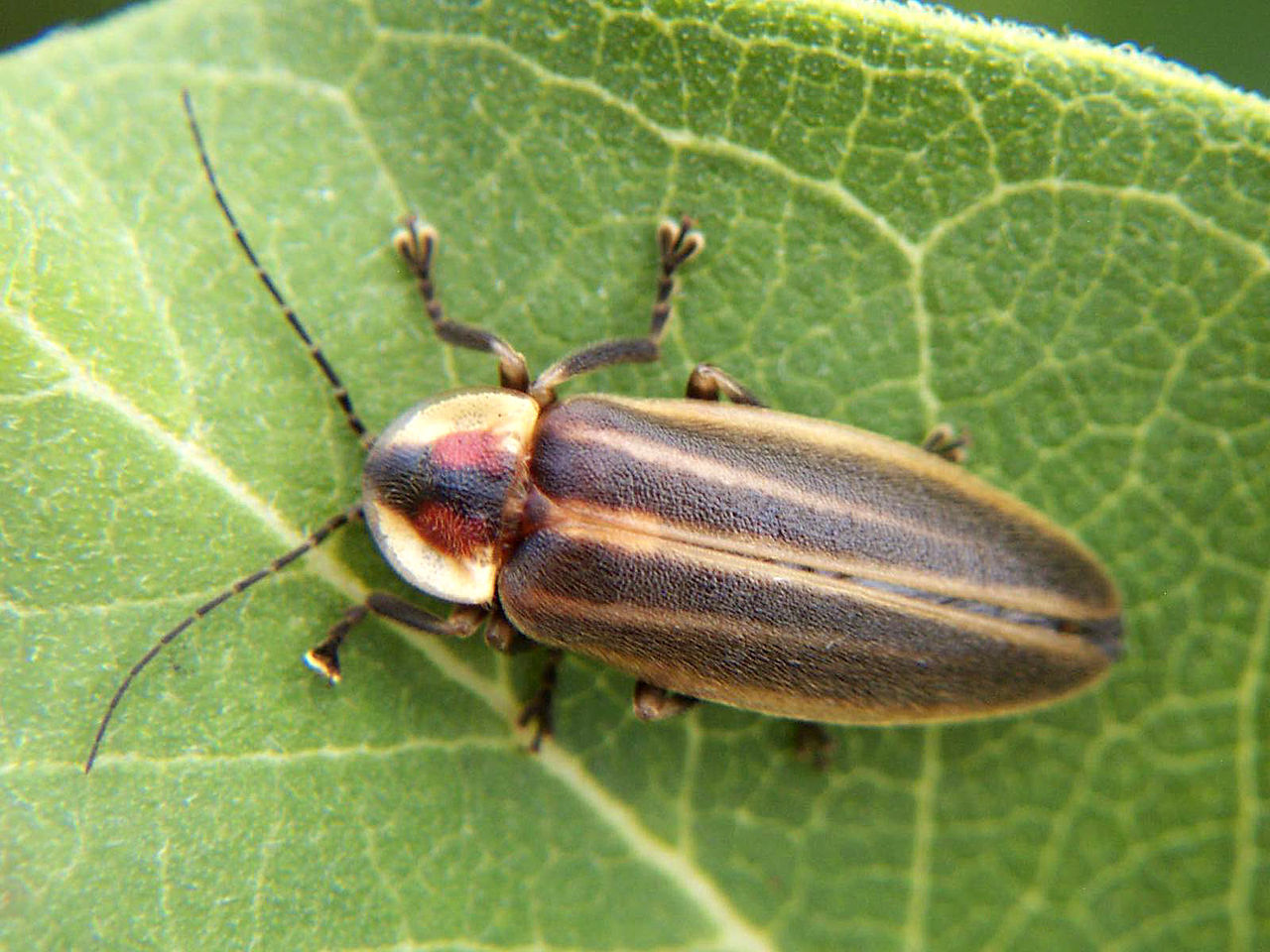
In the warm, humid nights of Eastern North America, a silent drama of espionage and chemical warfare unfolds. The femme fatale is a female firefly from the genus Photuris. Perched on low vegetation, she watches males of another firefly genus, typically Photinus, as they fly above, flashing a species-specific light pattern to seek a mate. A male Photinus flashes his call; the female Photuris waits for the precise, species-specific delay, then flashes back the exact response of a receptive Photinus female. The deception is highly effective. The male, anticipating a mate, is lured down to his death. The larger Photuris female grabs and eats him.
This behavior, known as aggressive mimicry, is a method to get a meal. The female Photuris is performing a chemical heist. Her prey contains a potent defensive weapon that she cannot produce on her own, and she needs it to survive. Some Photuris species are so adept at this deception they can successfully imitate the flash patterns of up to eleven different prey species. Researchers have even observed that mated females are more likely to engage in hunting, ignoring the signals of their own species in favor of luring prey.
Chemical Warfare and Stolen Valor
The prize for this deadly deception is a class of steroidal pyrones called lucibufagins. These compounds are highly toxic and bitter, so the fireflies that possess them unpalatable to predators like birds and jumping spiders. While Photinus fireflies and their relatives produce these steroids, Photuris fireflies cannot. They must steal them.
When a Photuris female consumes a Photinus male, she sequesters the lucibufagins and incorporates them into her own body. When threatened, she can release droplets of her blood, a behavior called "reflex bleeding," which delivers a dose of the foul-tasting chemical to a would-be predator. Experiments have shown that spiders like the jumping spider Phidippus audax will readily eat a Photuris female that lacks lucibufagins but will immediately reject one that has recently consumed Photinus males. The more lucibufagin a female contains, the more protected she is.
The defense does not end with the female. She passes the stolen lucibufagins on to her eggs, giving her offspring a chemical defense against predators before they even hatch. This strategy of chemical acquisition provides a significant survival advantage, ensuring the next generation is protected by a poison their mother had to kill for.