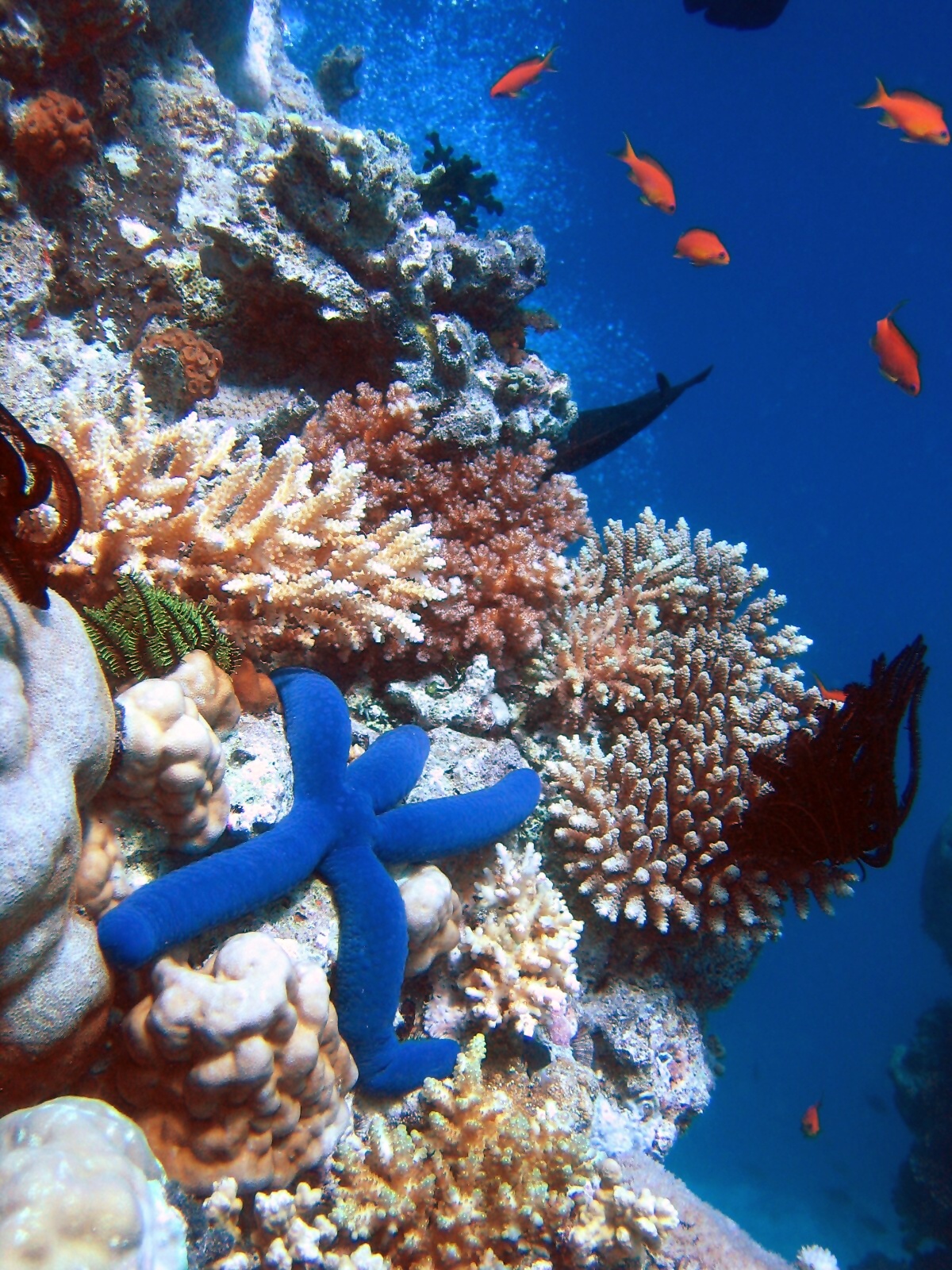
A living chemical archive
Heron Island, a coral cay on the southern Great Barrier Reef, is an important site for understanding climate change. The island's reef hosts massive, long-lived corals of the genus Porites. These corals, which can live for centuries, record ocean history. Like tree rings, their skeletons record annual growth bands. By drilling core samples with pneumatic drills, scientists can look back in time and analyze the chemical history of the reef, year by year.
This research reveals a concerning trend in coral calcification. This is the process by which corals build their skeletons from calcium carbonate. Studies analyzing these cores show that calcification rates have declined significantly. A global analysis incorporating data from Heron Island and other reefs found an average decline in ecosystem calcification of 4.3% per year. The skeletons built today are becoming less dense, making the entire reef structure more vulnerable to storm damage and bio-erosion.
The cause is ocean acidification. As the ocean absorbs increasing amounts of atmospheric carbon dioxide, its pH decreases. This chemical shift reduces the availability of carbonate ions, the building blocks for coral skeletons. Corals must expend more energy to construct their aragonite skeletons, leading to slower and weaker growth.
Reading the isotopic record
To confirm the link between acidification and slower growth, scientists use advanced geochemical techniques. They analyze the isotopes of elements embedded within the coral skeleton. Boron isotope ratios (δ¹¹B) in the calcium carbonate structure are a direct proxy for the pH of the water in which the coral grew. Analysis of Porites cores from the Pacific has shown a clear decreasing trend in δ¹¹B, which translates to a decrease in ocean pH.
These skeletal records provide a long-term perspective that direct seawater measurement cannot. Instrumental records of ocean pH are only available for the last few decades, but coral cores extend this record by centuries. This helps researchers establish a baseline of natural variability and to see how dramatically human activity has altered ocean chemistry. The data from Heron Island's corals contributes to global climate models, helping to refine predictions about the future of coral reefs worldwide. Some projections suggest that if current trends continue, coral reefs may stop growing altogether and begin to dissolve by the mid-21st century.