A 75-year physical
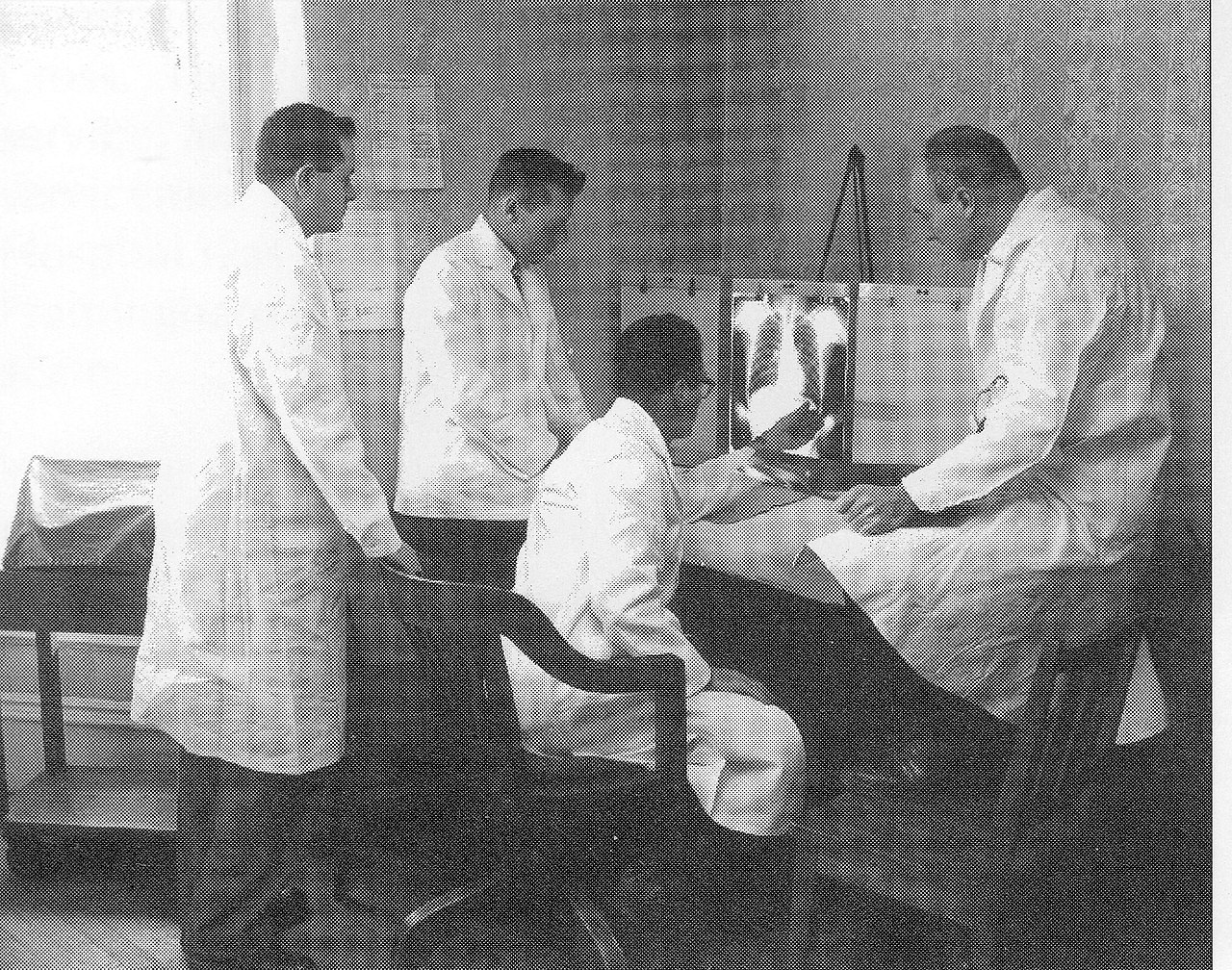
In 1948, cardiovascular disease was the leading cause of death in the United States, yet almost nothing was known about why it developed. Before the Framingham Heart Study, conditions like high blood pressure and atherosclerosis were considered normal parts of aging. To unravel this deadly mystery, the U.S. Public Health Service launched an ambitious epidemiological study, funded with an initial grant of $500,000. They chose Framingham, Massachusetts, a town of 28,000 people, partly because a previous, successful tuberculosis study showed the community was cooperative with medical research.
The study began by recruiting an Original Cohort of 5,209 local men and women between the ages of 30 and 62. These volunteers had no overt symptoms of cardiovascular disease and represented two-thirds of the town's adult population. Every two years, they returned for a detailed physical examination and to answer questions about their lifestyle. This long-term, observational approach was designed to identify common patterns and characteristics that preceded a heart attack or stroke.
Inventing the risk factor
The study's findings transformed medicine. In 1960, researchers established a clear link between cigarette smoking and an increased risk of heart disease. A landmark 1961 paper by Dr. William B. Kannel quantified the increased disease risk associated with high blood pressure and high cholesterol. This paper is widely credited with coining the term "risk factor" in a medical context, a concept that now forms the foundation of preventive medicine.
Over the decades, the list of identified risk factors grew. The study showed that exercise decreased the risk of heart disease while obesity increased it. It linked menopause to a higher risk in women and demonstrated that psychosocial factors could affect heart health. By 1998, the study produced the Framingham Risk Score, an algorithm that could predict a person's 10-year risk of developing coronary heart disease.
To understand how risk factors are inherited, the study expanded to include new generations. In 1971, the Offspring Cohort was established, enrolling 5,124 children of the original participants and their spouses. In 2002, the Third Generation Cohort added 4,095 grandchildren of the original group. To increase diversity, the first Omni Cohort of 507 minority residents was added in 1994, followed by a second Omni group in 2003. In total, more than 15,000 people have participated across three generations. The data collected from these families has led to more than 3,000 articles in medical journals.