A chemical and biological construction site
The seven tiers of Erawan Falls are not carved from the surrounding area, but actively built by it. The falls are a massive ongoing travertine construction project. This type of limestone forms when water, high in dissolved calcium carbonate from the region's Permian limestone bedrock, comes to the surface. As the water tumbles over each tier of the falls, it releases carbon dioxide into the air. This chemical change makes the calcium carbonate less soluble, causing it to precipitate out of the water and deposit as a solid mineral crust on every surface. The milky, emerald-green color of the plunge pools comes from fine particles of calcium carbonate suspended in the water.
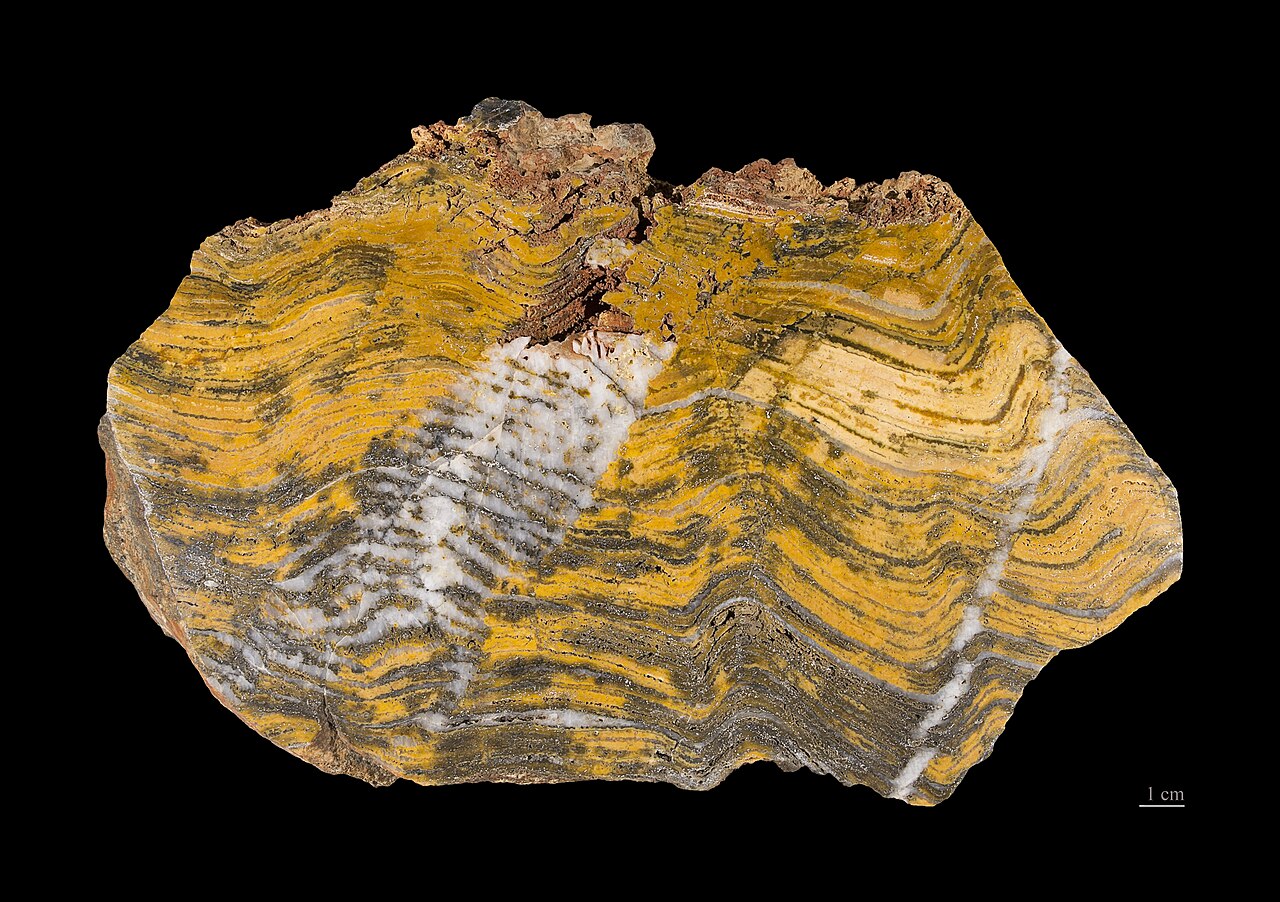
This geological process is accelerated by biology. Surfaces throughout the falls are coated in biofilms of cyanobacteria and other microorganisms. These microbes extract more carbon dioxide from the water for photosynthesis. This activity further encourages the precipitation of calcium carbonate directly onto the bacterial mats. Layer by layer, the microbes entomb themselves in newly formed rock. The resulting structures are modern-day stromatolites, layered bio-geological formations identical to the oldest macroscopic evidence of life on Earth. These ancient stromatolites, built by ancestral cyanobacteria, were responsible for producing the oxygen in Earth's early atmosphere.