The forest's memory
In the mountains of Tochigi Prefecture, trees hold a precise record of Japan's first major industrial pollution event. Dendrochronology, the study of tree rings, reveals the story of the Ashio Copper Mine's environmental impact. By analyzing the width and composition of annual growth rings in species like Japanese fir (Abies firma), scientists can pinpoint the exact years when pollution began to harm the surrounding ecosystem. The trees are silent, living witnesses to a crisis that unfolded over a century ago.
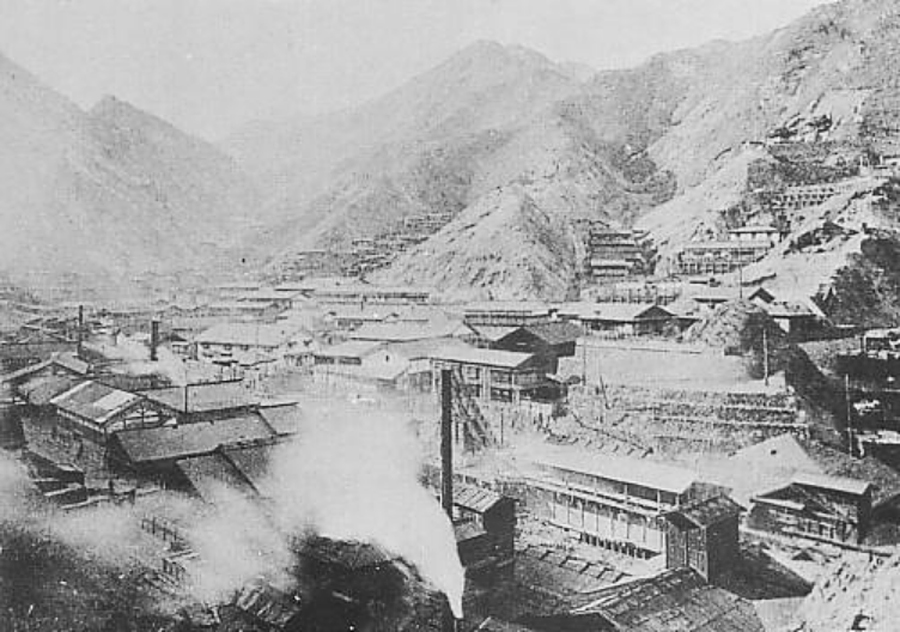
Modernization of the Ashio mine's smelting operations in the 1880s dramatically increased copper production, but also released immense quantities of sulfur dioxide into the atmosphere. This airborne pollutant created acid rain, which directly damaged forests. Tree ring analysis shows a marked decrease in growth during this period. The rings for the 1890s are often narrow, and in some cases, missing entirely, indicating that the trees were under such extreme stress they could not produce new growth. This physical record in the wood provides a datable, biological baseline for the historical pollution.
A chemical signature in the wood
The damage was not limited to airborne pollutants. The mine discharged vast amounts of waste containing heavy metals directly into the headwaters of the Watarase River. By 1890, fish populations in the river were decimated, and agricultural land became sterile from contaminated floodwaters. These floods, made worse by extensive deforestation to supply timber for the mine, spread contaminants like arsenic and copper across thousands of acres of rice paddies. Farmers and fishermen who relied on the river suffered directly; many experienced sores on their hands and feet from contact with the contaminated water and soil.
The combination of atmospheric sulfur dioxide and waterborne heavy metals left a lasting mark on the area. The mountains surrounding the smelters were denuded of vegetation, creating a moonscape that is still undergoing reforestation efforts today. Pollution from Ashio became a national issue, sparking Japan's first environmental protest movement, led by Diet member Tanaka Shōzō. He began raising the issue in the Diet in 1891, demanding the government take action against the mine's owner, the Furukawa Corporation.
Decades of protest, including mass marches on Tokyo, eventually led to the government issuing a Mine Pollution Prevention Order in 1897. Tanaka Shōzō's activism continued, and in 1901 he famously attempted to deliver a direct petition to Emperor Meiji to publicize the ongoing plight of the affected communities. The scientific evidence, written in the rings of trees, confirms the timeline of the environmental damage that fueled this historic social and political struggle.