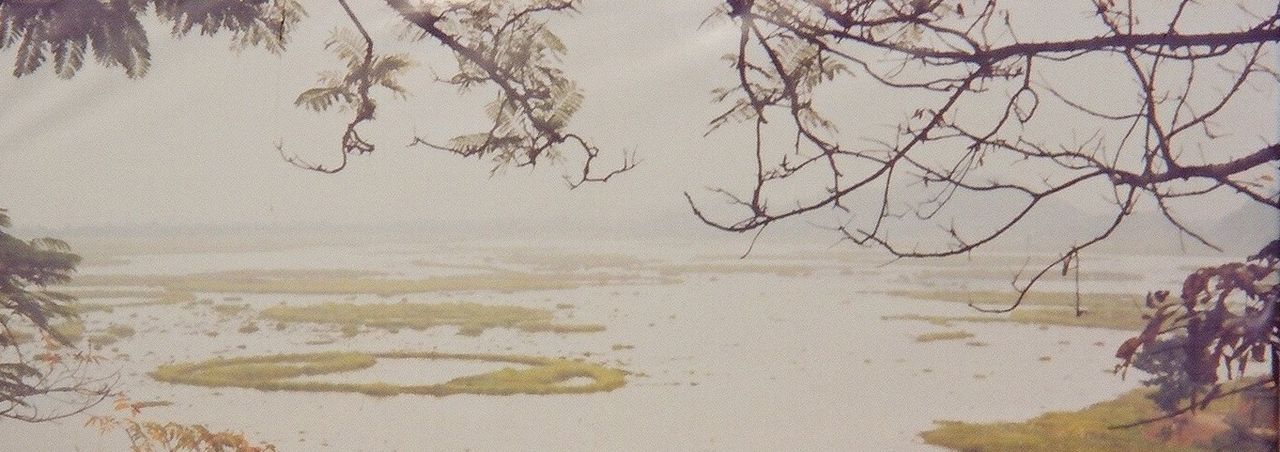
The Floating Ground
The Keibul Lamjao National Park is a 40-square-kilometer wetland ecosystem that floats. It sits on the southeastern part of Loktak Lake, the largest freshwater lake in northeastern India. The park is not land in the conventional sense; it is a massive, contiguous mat of floating vegetation called phumdi.
These phumdis are a heterogeneous mass of soil, vegetation, and organic matter in various stages of decomposition. They are composed of about 25% organic matter, 36% organic carbon, and 2.08% nitrogen. The thickness of the phumdi varies from a few centimeters to over two meters. Roughly 80% of a phumdi's mass stays submerged, while the top 20% floats above the surface, creating a solid-looking expanse of grassland. This buoyant platform is thick enough to support grasses, reeds, and large mammals. The dominant plant species that form this mat include grasses like Zizania latifolia (wild rice), Phragmites karka, and Saccharum munja.
This entire ecosystem is dependent on the natural water cycle of Loktak Lake. Historically, during the dry season, the water level would drop, allowing the phumdis to touch the lakebed. This grounding process let the vegetation absorb nutrients and minerals from the soil. During the monsoon, the rising water would lift the enriched phumdis, allowing them to float again.