A chemical passport in bone
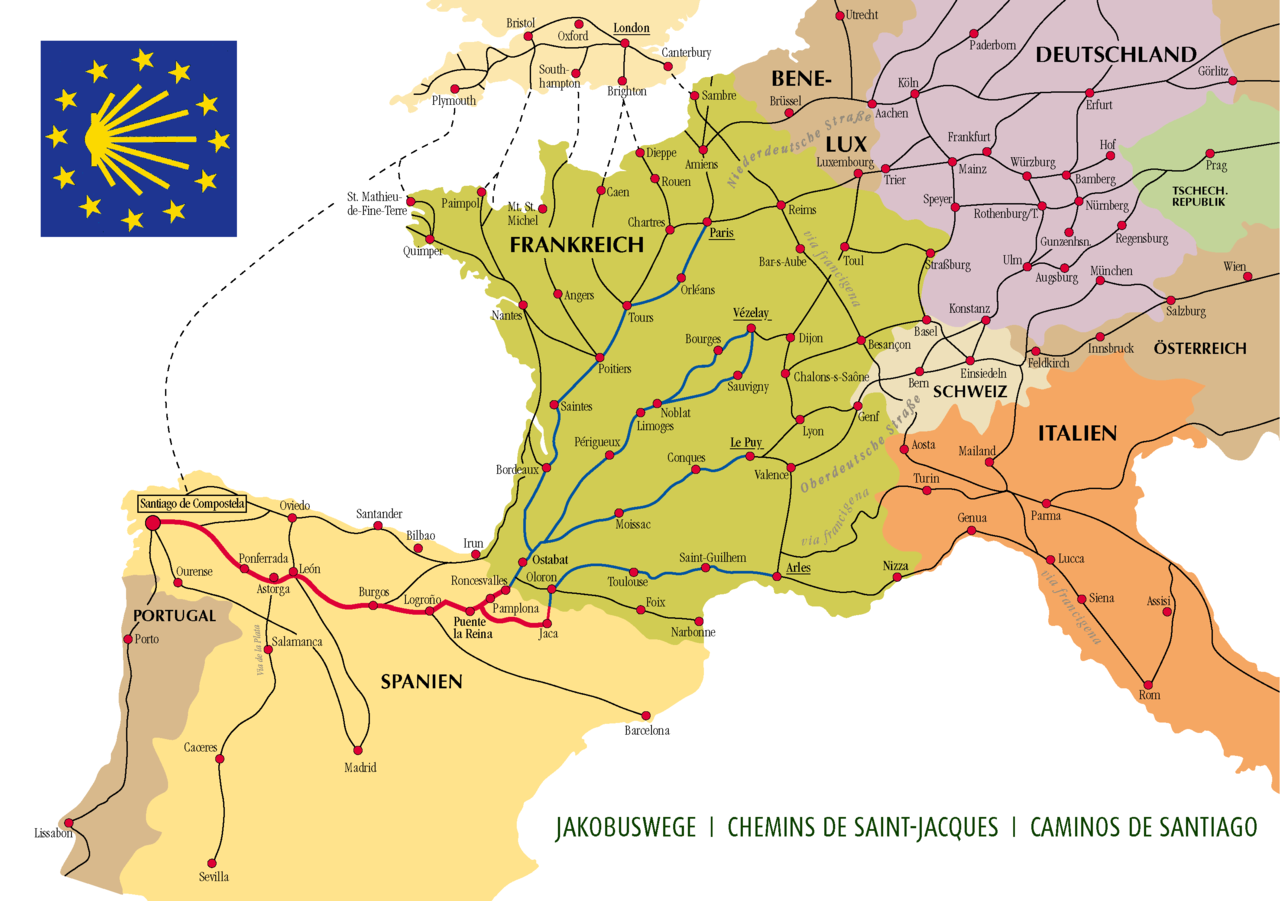
Saint-Jean-Pied-de-Port sits at the base of the Pyrenees, the traditional starting point of the Camino Francés, the most popular route of the Camino de Santiago. For centuries, this town has been a convergence point for pilgrims from across Europe. Archaeological science now provides a method to trace their origins, using chemical signatures locked within their bones. Isotopic analysis of human remains found in medieval cemeteries along the pilgrimage route, and at its destination in Santiago de Compostela, is a chemical passport.
The primary tool for this is strontium isotope analysis (⁸⁷Sr/⁸⁶Sr). Strontium is a naturally occurring element in bedrock, and its isotopic ratio varies depending on the age and type of the local geology. This specific geologic signature passes into the soil and water, up the food chain, and into the plants and animals that people consume. The strontium is then incorporated into human tooth enamel during childhood. Since enamel does not remodel after it forms, the ⁸⁷Sr/⁸⁶Sr ratio in a person's teeth provides a permanent record of the geological region where they grew up. Studies on remains from pilgrimage sites show a wide range of strontium values, indicating that individuals came from many different geological areas, including regions far beyond the Iberian Peninsula.