The reactor's new residents
Five years after the 1986 Chernobyl nuclear disaster, scientists observed black fungi growing on the walls of the destroyed Reactor 4. In an environment with radiation levels 500 times higher than normal, these fungi were thriving. Researchers observed the fungal growths, or hyphae, actively growing towards the sources of highest radioactivity, a phenomenon named radiotropism. This discovery revealed a new class of extremophiles: radiotrophic fungi, organisms that appear to use deadly ionizing radiation as an energy source.
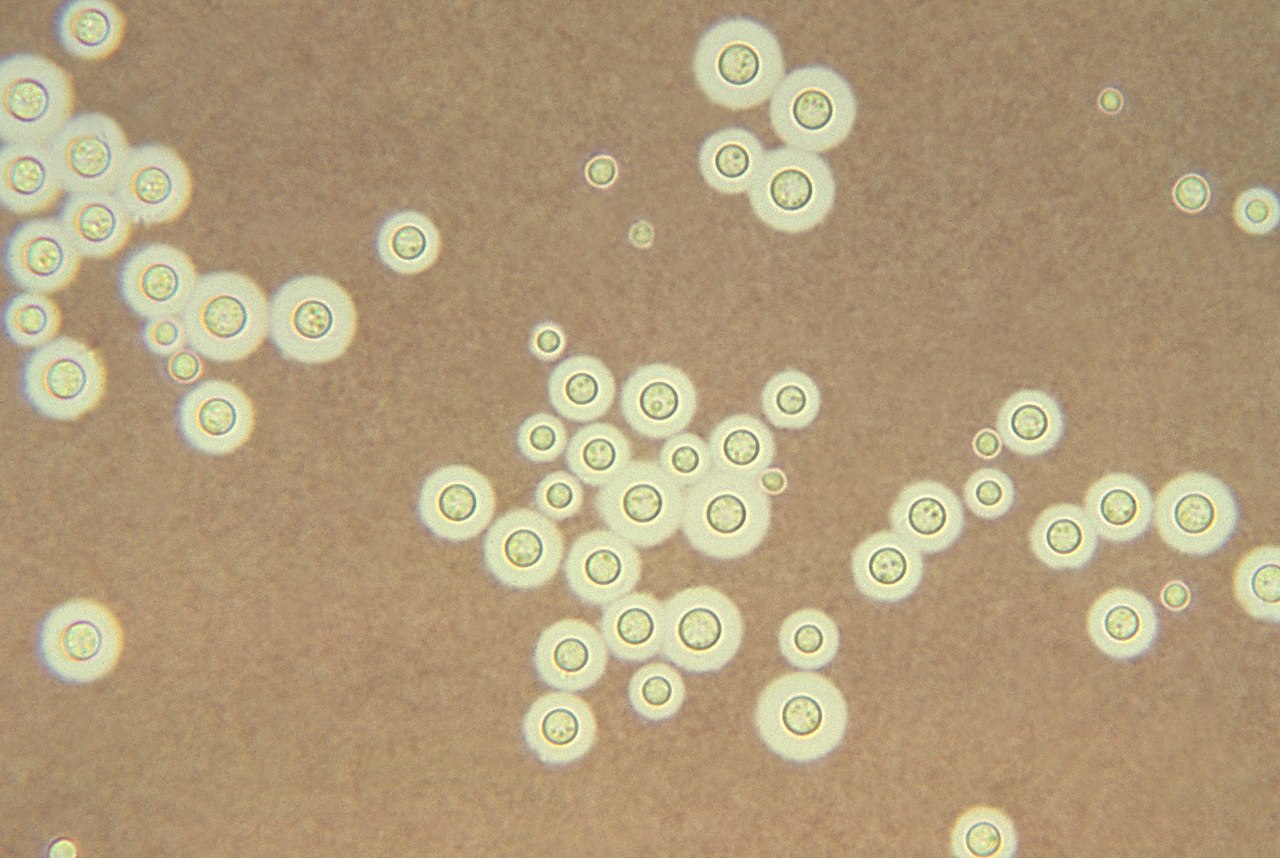
At least three species of these melanin-rich fungi have been identified inside the Chernobyl Exclusion Zone: Cladosporium sphaerospermum, Wangiella dermatitidis, and Cryptococcus neoformans. Studies at the Albert Einstein College of Medicine showed that these fungi grew faster when exposed to gamma radiation levels 500 times greater than background radiation. The reason for this ability is melanin, the same pigment that colors human skin. In these fungi, melanin absorbs ionizing radiation and converts it into a usable form of chemical energy. This process, termed radiosynthesis, is like how plants use chlorophyll to perform photosynthesis with sunlight. While the precise biochemical pathways are still under investigation, experiments show that radiation alters the electronic properties of the melanin, enabling this energy conversion.
A self-replicating radiation shield
The unique abilities of these fungi have significant implications, particularly for the future of space exploration. One of the greatest dangers for astronauts on long-duration missions beyond Earth's protective magnetosphere is constant exposure to cosmic radiation. Conventional radiation shielding is often heavy and expensive to launch into space. Radiotrophic fungi are a potential biological and self-replicating solution.
To test this, samples of Cladosporium sphaerospermum were sent to the International Space Station (ISS) in 2018. The experiment, which ran for 30 days, measured the fungus's ability to block cosmic radiation. The results showed that a thin, 1.7-millimeter layer of the fungus reduced radiation levels by about 2.17 percent. Scientists extrapolate that a layer approximately 21 centimeters thick could largely neutralize the annual dose-equivalent of radiation on the surface of Mars. A composite material made from the fungus mixed with Martian soil, or regolith, could be even more effective, requiring a layer just 9 centimeters thick. This living shield could be grown and maintained in-situ, offering a renewable form of protection for future habitats on the Moon or Mars.