A Poisoned Legacy on the Silk Road
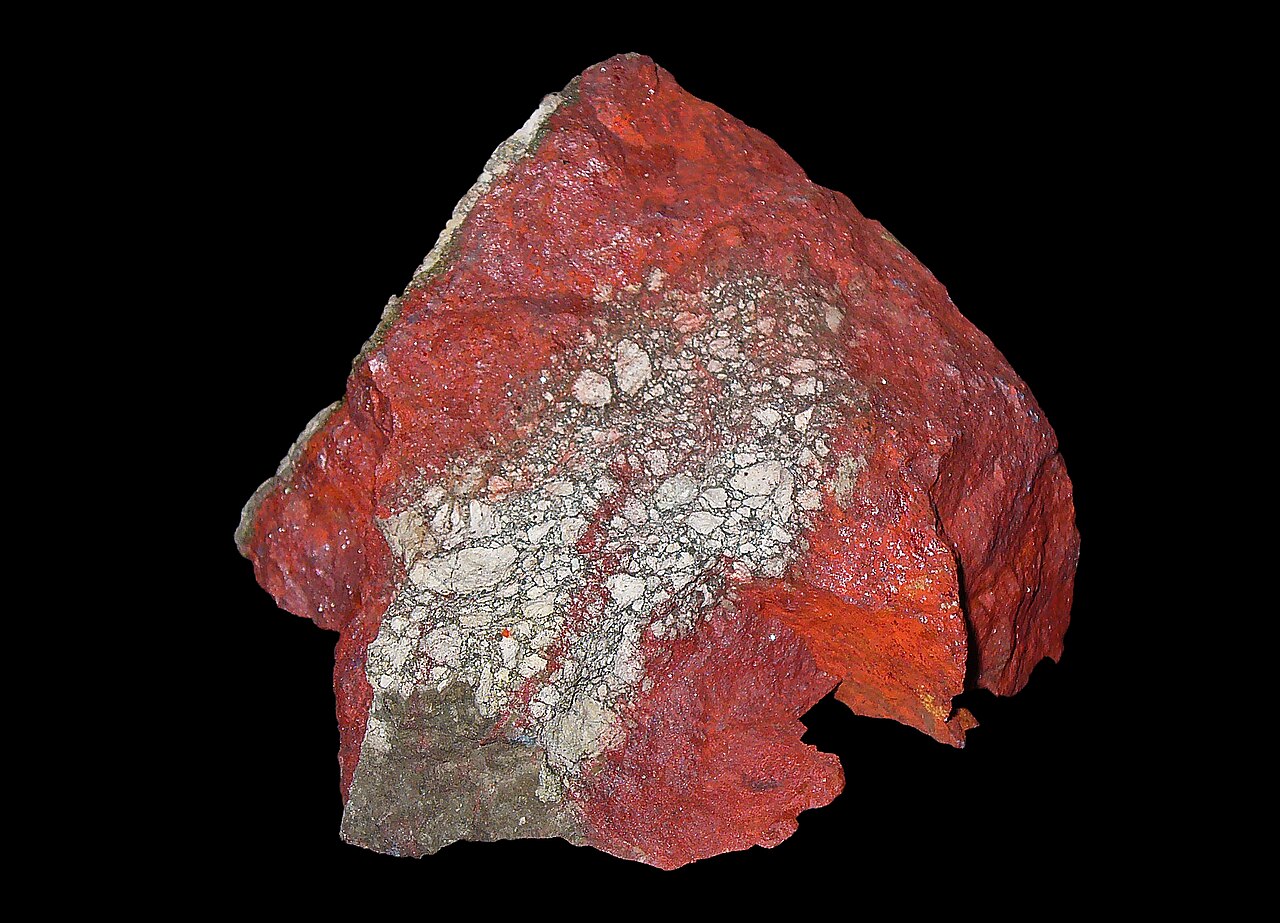
The ancient city of Poykent, a bustling stop on the Silk Road, holds a toxic secret beneath its sunbaked ruins. For centuries, this was a center for trade and for the industrial processing of cinnabar, the bright red ore of mercury. Cinnabar (mercury(II) sulfide, HgS) was prized for producing two valuable substances: the brilliant vermilion pigment and liquid quicksilver. The extraction process was simple and deadly. Workers would crush the ore and heat it in furnaces, a procedure that releases mercury as a vapor. As the vapor cooled and condensed, droplets of pure liquid mercury could be collected.
This medieval enterprise left an enduring environmental signature. Geochemical analysis of the soil at Poykent reveals a startling legacy of contamination. Soil cores drilled at the site show mercury concentrations that remain dangerously high a millennium after the workshops fell silent. This pollution is not a surface-level phenomenon; the toxic metal has saturated the ground, recording the city's industrial past. The levels detected are comparable to modern industrial contamination sites, evidence of the scale of the ancient operation.
Written in the Bones
The most direct evidence of Poykent's hazardous industry comes from the workers themselves. Bioarchaeological studies of human remains excavated from the site provide a grim confirmation of the environmental data. Mercury, once inhaled or ingested, accumulates in the body's tissues, including the skeleton. Analysis of the bones of Poykent's inhabitants shows elevated levels of mercury, directly linking them to the contaminated soil.
Scientists can even map the distribution of mercury within the bones. This forensic approach reveals how the element was absorbed and deposited, painting a clear picture of chronic occupational exposure. The skeletal evidence shows that workers were constantly breathing in toxic mercury vapor, leading to a range of debilitating health effects. Mercury is a potent neurotoxin, and chronic exposure causes tremors, cognitive impairment, and damage to the kidneys and other organs. The people who toiled in Poykent's workshops paid a high price for the production of a coveted red pigment and the mysterious liquid metal. Their skeletons serve as a permanent archive of ancient industrial pollution and its human cost.