The botanical barrier
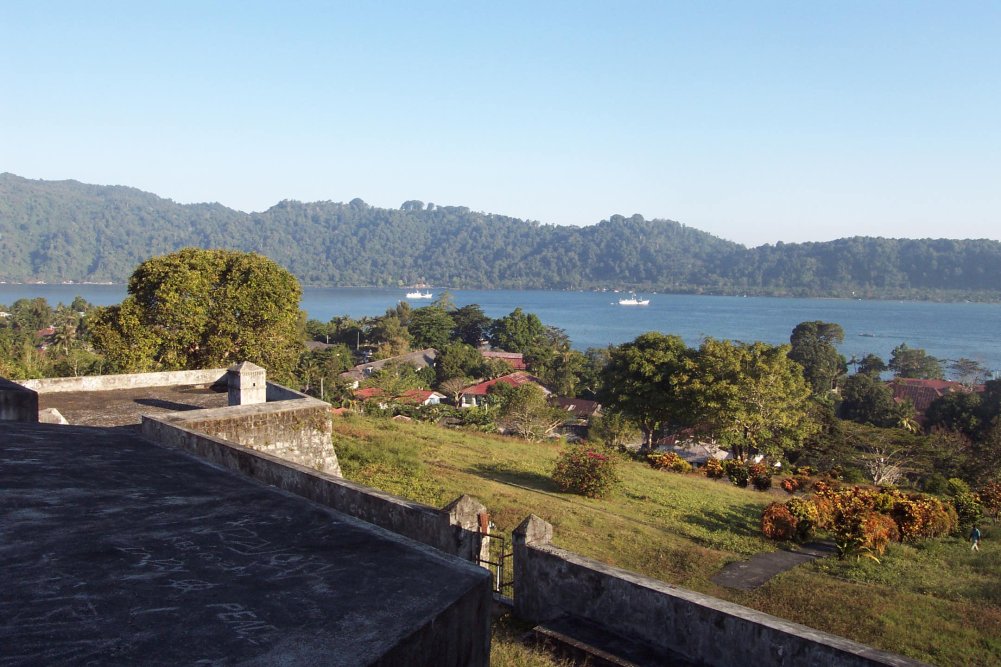
The nutmeg tree, Myristica fragrans, is native exclusively to the Banda Islands, a small volcanic group in Indonesia's Maluku archipelago. The tree produces a fruit that, when ripe, splits to reveal a single seed covered by a bright red, lacy membrane. This membrane is the spice mace, and the seed kernel within is nutmeg. For centuries, this tiny cluster of islands was the only place on Earth where these spices grew.
The plant's geographical isolation results from its difficult reproductive biology. Nutmeg seeds are notoriously slow to sprout, with germination taking anywhere from 40 days to several months, and sometimes much longer. This process is hindered by the seed's hard, stony shell, which is composed of tough sclerenchyma cells that block water absorption. Modern horticultural techniques, such as scarification (wounding the seed coat) and the application of gibberellin hormones, can accelerate germination significantly.
Compounding the problem is the seed's short window of viability. Once harvested, a nutmeg seed loses moisture rapidly. If its water content drops below about 45%, it loses the ability to germinate. This can happen within a few weeks, making long-distance dispersal by sea currents or early human transport impossible. To be successfully planted, a seed must be sown almost immediately after it is collected.
A pigeon's prize, a colonial war
In its native environment, Myristica fragrans depends on a symbiotic relationship with large birds, particularly imperial pigeons like Ducula species. These birds swallow the fruit whole, digest the nutritious aril (mace), and then regurgitate the large seed intact, often far from the parent tree. Passage through the bird's digestive system helps to weaken the hard seed coat, preparing it for germination. This co-evolutionary relationship is the plant's primary natural dispersal mechanism.
This biological bottleneck, involving slow germination, short viability, and reliance on specific birds for dispersal, kept nutmeg confined to the Banda Islands. When Arab and then European traders discovered the source, the spice's rarity made it worth more than its weight in gold. In the 17th century, the Dutch East India Company (VOC) seized control of the islands to establish a global monopoly. Their control was brutal; in 1621, Governor-General Jan Pieterszoon Coen ordered a massacre that decimated the local Bandanese population, replacing them with enslaved laborers to work the plantations. The Dutch even soaked all exported nutmegs in lime to render them infertile, ensuring no one else could grow them.
The monopoly held for nearly two centuries. It was finally broken in the 1770s when French horticulturalist Pierre Poivre successfully smuggled nutmeg seedlings, not seeds, from the islands and established new plantations in Mauritius. This act of biological theft ended the Dutch stranglehold and allowed the nutmeg tree to finally spread around the world.