The Genetic Verdict
For decades, the tiger that roamed the Korean Peninsula was considered a unique subspecies, Panthera tigris coreensis. This classification was based on early 20th-century morphological descriptions of its fur color and pattern. The animal's complete disappearance from the wild by the mid-20th century left scientists with only old pelts and bones in museums. A 2012 genetic study changed the history of the Korean tiger. A team from Seoul National University analyzed ancient DNA from four tiger specimens originally caught in Korea. The samples came from collections at the Smithsonian Institution National Museum of Natural History in the U.S. and the National Museum of Nature and Science in Tokyo.
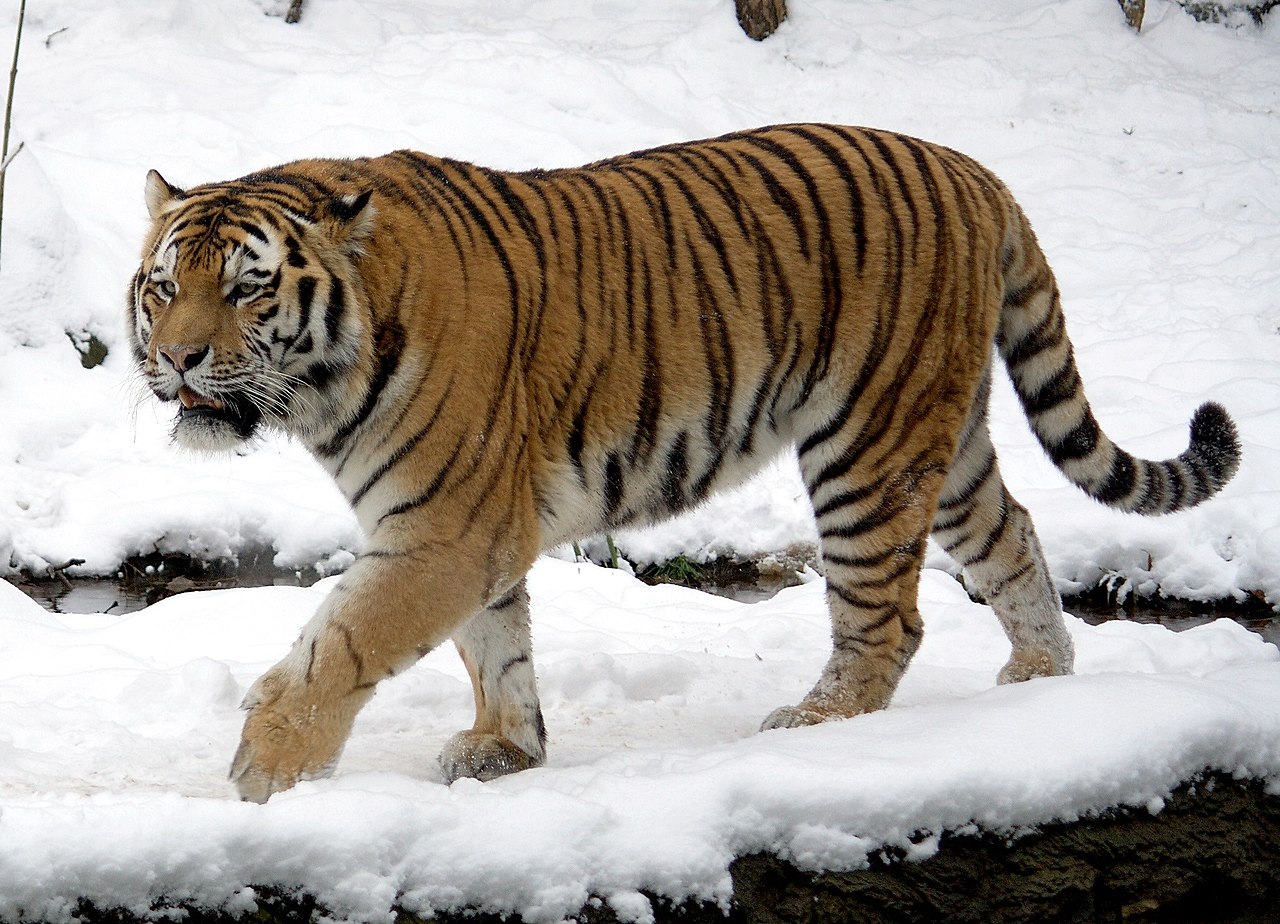
The researchers sequenced eight mitochondrial gene fragments from the historical bones. The results showed three of the four samples had mitochondrial DNA that was a 100% perfect match to the living Amur tiger, Panthera tigris altaica. The fourth sample was a genetic match for a Malayan tiger, a finding the scientists attributed to a probable mislabeling error in the museum's collection. The study disproved the idea of a distinct Korean subspecies. Genetically, the Korean tiger was an Amur tiger. Ecologically, this finding is logical, as no major geographical barriers existed to prevent gene flow between the Korean Peninsula and the tiger habitats of the Russian Far East and northeastern China.
A Hunted History
The Korean tiger's extinction was a slow process that rapidly accelerated in the early 20th century. During the Joseon Dynasty (1392-1897), the government actively encouraged tiger hunting to reduce widespread attacks on humans and livestock. Tigers were a common threat across the entire peninsula, with historical records noting their presence even on coastal islands like Jindo. The final blow came during the Japanese colonial period (1910-1945). A systematic "vermin extermination" policy targeted predators, including tigers and leopards. This organized hunting, combined with continued habitat loss from deforestation, pushed the remaining population to collapse.
The last confirmed wild tiger in what is now South Korea was hunted and killed on Daedeuk Mountain in Gyeongju in 1922. Other accounts suggest sightings persisted into the 1940s. This recent extinction makes the loss of the peninsula's apex predator a modern event. The complete absence of wild tigers today forces researchers to use bone powder and aged skins to understand the genetics of an animal that disappeared within living memory.