The resilient reef
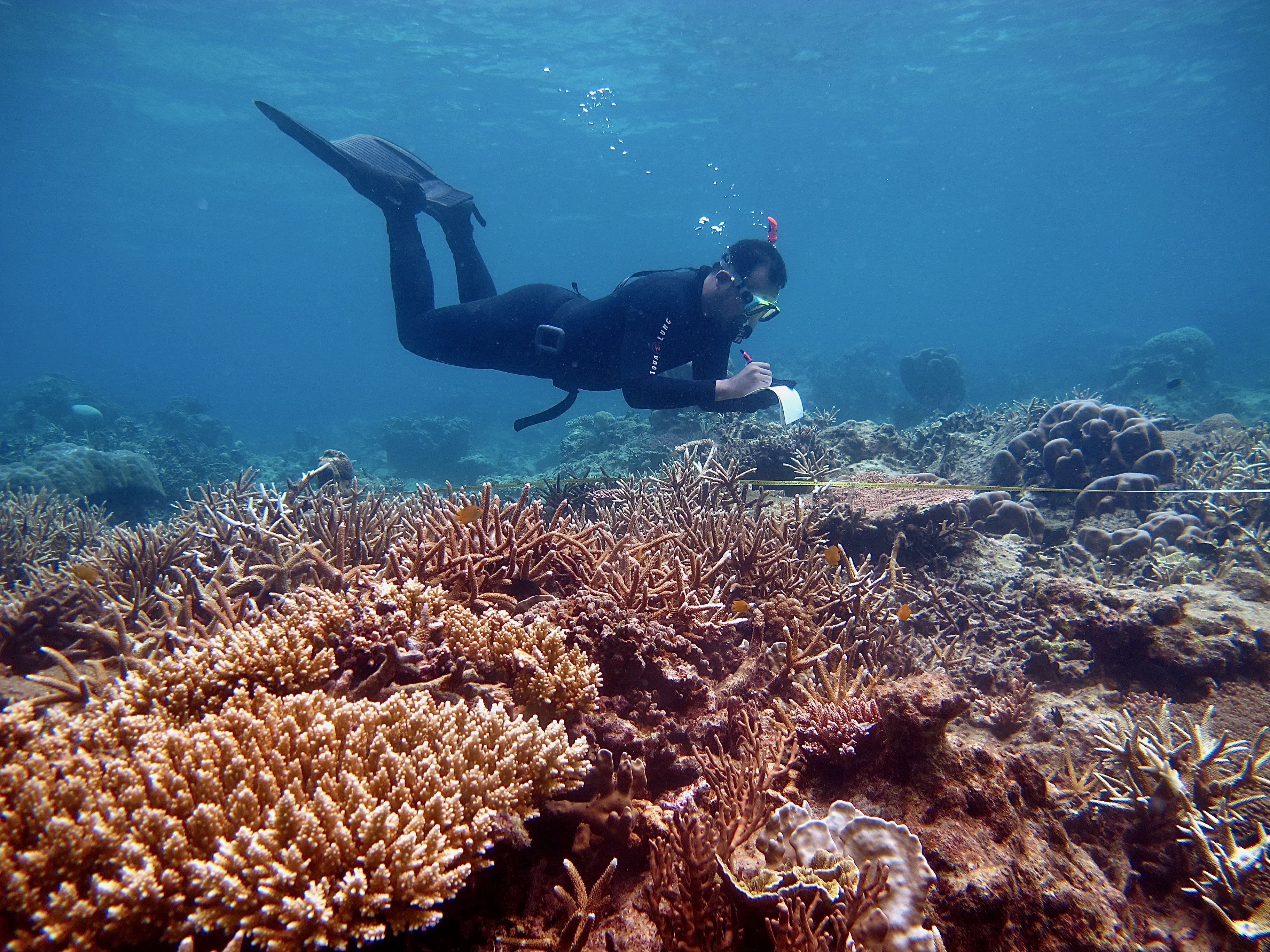
As global sea temperatures rise, coral bleaching is devastating reefs worldwide. When water gets too warm, corals expel the symbiotic algae living in their tissues, causing them to turn white and starve. Yet, in the waters of Karimunjawa National Park, a different story is unfolding. Some coral communities here have shown a surprising resilience to heat stress that has caused widespread bleaching elsewhere.
During the severe 2016 El Niño event, which triggered mass bleaching across the globe, the reefs in Karimunjawa experienced a less severe impact than expected. While there was a slight decline in average coral cover from around 29% to 26% between 2014 and 2018, the reef structure demonstrated significant fortitude. Sea surface temperatures in the area can fluctuate between 27°C and 31°C, yet many corals persist. This resilience is not uniform across all species. Studies in the park show that non-Acropora corals, particularly those with foliose (leaf-like) and branching morphologies, tend to dominate the healthier reef areas. In contrast, some of the more delicate Acropora species have proven more vulnerable. The overall coral cover in the park is considered relatively high for the region, averaging around 30%.
A symbiont's secret
The reason for this heat tolerance may lie within the corals themselves, specifically with their microscopic algal partners, known as Symbiodiniaceae. These dinoflagellates are not all created equal. Different genera, or clades, have different levels of heat tolerance. Research in Karimunjawa has identified several types of these symbionts living within the local corals.
One of the most significant findings is the presence of the genus Cladocopium (formerly known as Symbiodinium Clade C). This group of algae is known for having a broad tolerance to temperature changes and other environmental stressors. Studies on Sambangan Island within the park found that corals experiencing bleaching still hosted algae from the Cladocopium genus, suggesting this symbiont offers a degree of protection. Another heat-tolerant genus, Durusdinium (formerly Clade D), has also been found in some of Karimunjawa's corals. The ability of corals to host these hardier algae is an important factor in their survival. Corals that associate with Durusdinium often show a greater ability to withstand higher sea surface temperatures. While local factors like water quality and fishing practices also affect reef health, the genetic makeup of these tiny symbionts provides a fundamental biological advantage against a warming ocean.