A linguistic map
Across Japan's northern island of Hokkaido, a linguistic substrate of the indigenous Ainu people persists on modern maps. Approximately 80% of Hokkaido's place names are derived from the Ainu language. This is especially true for major geographical features like rivers and capes. The full-scale colonization of the island by the Japanese government began in 1869, but the original Ainu toponyms resisted complete erasure. These names form a substrate, a layer of language from a previous population that influences the current language.
The Ainu language describes geography with direct, functional terms. Common elements found in place names across the island include pet or nai for "river," nupuri for "mountain," and kotan for "village" or "settlement". For example, the famous hot springs resort of Noboribetsu gets its name from the Ainu nupur-pet, meaning "deep-colored" or "turbid river," a reference to the geothermal waters that cloud the river. The name of the Shiretoko Peninsula, a UNESCO World Heritage site, comes from sir etok, which translates to "end of the earth," an apt description for the remote area.
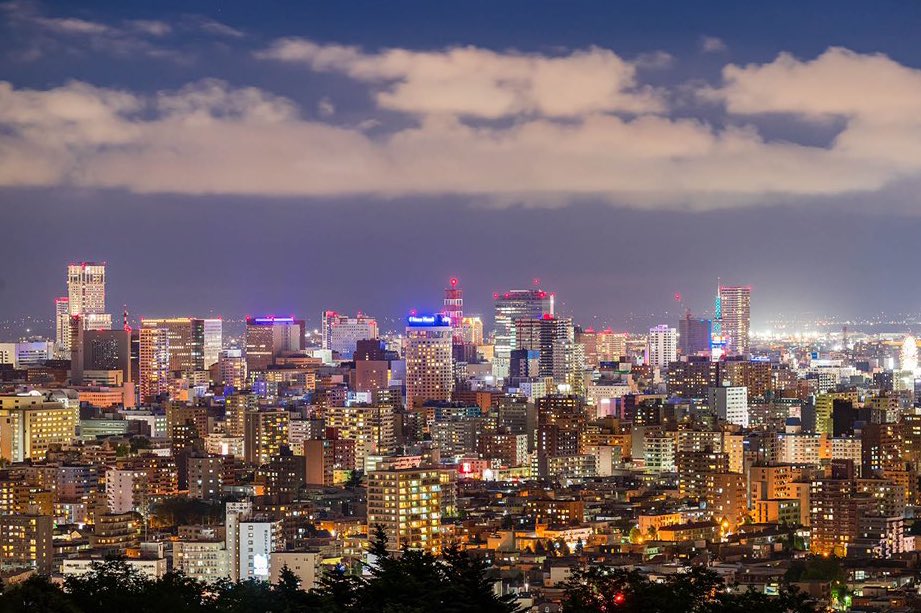
Hokkaido's capital, Sapporo, also has Ainu origins. Its name is believed to come from one of two Ainu phrases describing the Toyohira River: sat poro pet ("big, dry river") or sari poro pet ("a river lined with a large reed bed").
The practice of Ateji
The survival of these Ainu names is largely due to the Japanese practice of ateji, where kanji (Chinese characters used in Japanese writing) are assigned to represent the sounds of a native or foreign word, often without regard for the characters' original meaning. When Japanese settlers and cartographers began formally recording Hokkaido's geography during the Meiji period (1868-1912), they often transliterated the existing Ainu names.
The city of Tomakomai comes from the Ainu to makomai, meaning "{the} river that flows from the swamp". The kanji used to write it, 苫小牧, have meanings related to "rush mat," "small," and "pasture," which bear no semantic connection to the Ainu origin. Similarly, the town of Kutchan (倶知安) likely comes from kut-san ("tube-like place where the river flows down"). In some cases, the Ainu name was translated directly into Japanese. The city of Asahikawa was originally called cukpet in Ainu, which means "autumn river." The Japanese name Asahikawa (旭川), meaning "rising sun river," is a poetic translation. Another example is the town of Shimizu (清水), meaning "clear water," which is a direct translation of the Ainu name pekerpet ("bright and clear river").
This process of phonetic transcription and translation has preserved a record of the Ainu language across Hokkaido, placing the descriptive worldview of the island's first people into the maps used today.