Earth's oldest architects
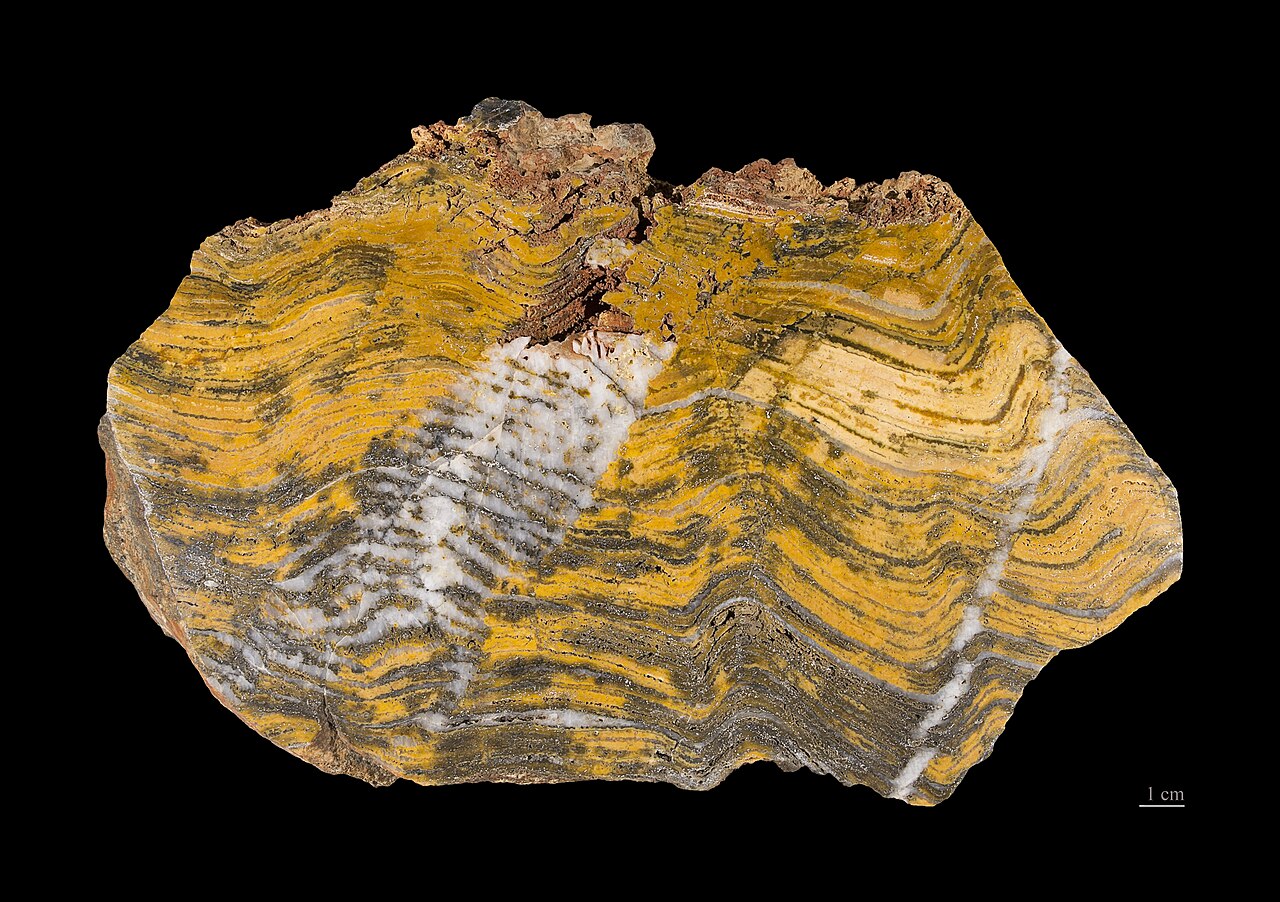
On the expansive tidal flats of Bigeumdo island, a part of the Shinan Dadohae UNESCO Biosphere Reserve, a deep biological process is quietly taking place. Here, vast communities of microorganisms, primarily cyanobacteria, form gelatinous carpets known as microbial mats. These mats are like Earth's earliest ecosystems. The microbes secrete sticky substances called extracellular polymeric substances (EPS) that trap and bind sediment particles like sand and silt. This activity, combined with the precipitation of minerals, builds up thin layers day by day. Over long periods, these layers lithify, or turn to stone, creating laminated structures called stromatolites.
The structures on Bigeumdo are living rocks. Fossilized stromatolites are the most ancient and common macroscopic evidence of life, with some examples dating back 3.5 billion years. The cyanobacteria within these ancient structures were responsible for one of the most significant changes in Earth's history: the Great Oxygenation Event. Through photosynthesis, they steadily released oxygen, transforming the planet's atmosphere and paving the way for complex life to evolve. Observing the Bigeumdo mats allows a direct view of the fundamental processes that built the world we know today. The very same mechanisms that operated in the Precambrian seas are visible in the daily cycle of tidal immersion and sunlit exposure on these South Korean flats.