A Neolithic field guide to cetaceans
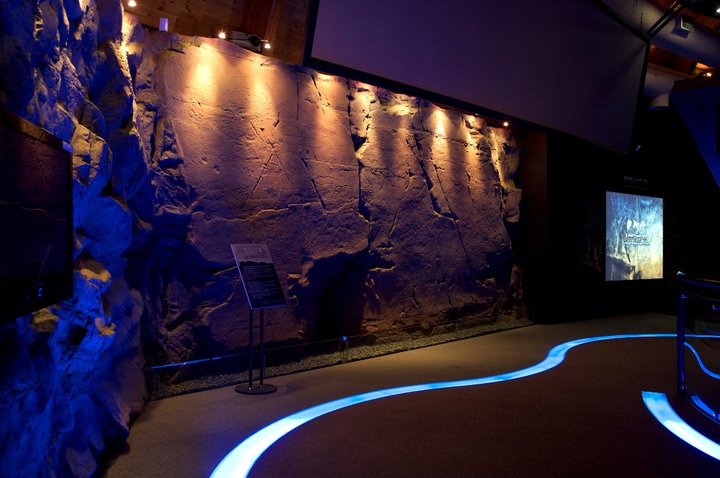
On a riverside cliff in Ulsan, South Korea, a sprawling rock panel is a detailed record of Neolithic life. The Bangudae Petroglyphs, carved onto a shale and hornfels rock face measuring about 10 meters wide and 4 meters high, contain over 300 distinct images. Discovered in 1971, these engravings present a catalogue of the animals that inhabited the Korean Peninsula between 5000 and 1000 BC.
The artists used a technique of chiseling an outline and then pecking away the entire shape of the animal, creating solid silhouettes. This method resulted in remarkably detailed figures, allowing scientists today to identify specific species. Among the 193 animal depictions, whales are the most prominent, with 58 individual engravings. Marine biologists have identified several species, including Northern right whales, humpback whales, gray whales, and sperm whales. One image even shows a whale with a calf on its back. The carvings are so precise that some whales are shown with the characteristic double spout of right whales, while others are depicted blowing at the surface, an important behavior whalers used for identification.
Land animals are also present in abundance. Species with identifiable features include tigers, leopards, wolves, foxes, and multiple types of deer such as sika and red deer. The panel also shows sea turtles, seals, sharks, and sea birds, completing the picture of a diverse prehistoric ecosystem.
The hunt in stone
The Bangudae Petroglyphs are more than a list of animals; depict the act of hunting. The panel shows at least five whaleboats, with crews ranging from five to eighteen people. These human figures, about 15 to 20 centimeters tall, are shown with weapons like harpoons. The carvings detail whaling technology, including the use of floats, likely made from animal skins, which were attached to harpoon lines to slow down the massive animals and prevent them from sinking after death.
The arrangement of the carvings suggests a deliberate organization of space. Marine animals dominate the left side of a natural fissure in the rock, while terrestrial animals are mostly on the right. This might represent a symbolic division between the ocean and the land. The orientation of the animals is also specific. Most land animals are in profile, while whales are shown vertically, from a top-down perspective. This could reflect how the artists observed them in nature. Vertical whales may represent live animals surfacing to breathe, whereas horizontal ones might depict dead whales.
Dating the petroglyphs is complex due to the lack of organic material. Whale bones found in nearby coastal shell middens date to between 7,000 and 3,500 years ago, placing the artwork firmly in the Neolithic period. This evidence pushed back the timeline for organized whaling, previously thought to have begun in Norway around 4,000 BC. The Bangudae site now holds the distinction of being the oldest known depiction of whaling in the world.