The internal wave advantage
In the Wakatobi archipelago, the survival of the vast coral reefs depends on a powerful and seemingly counterintuitive phenomenon: massive, tidally-driven underwater waves. These are not surface waves, but large-amplitude internal waves (LAIW) that form between layers of water with different densities. As tides move across the ocean, they create these waves deep below the surface. When the waves reach the archipelago's steep underwater topography, they break upwards, forcing huge volumes of cold, nutrient-rich water from the depths up onto the shallow reefs.
This process creates a dramatic and beneficial shock to the reef system. Temperature loggers placed on reefs have recorded sudden temperature drops of up to 10°C within minutes as an internal wave washes over. This regular delivery of cooler water provides an important refuge from the rising sea surface temperatures that cause coral bleaching events worldwide. During a major bleaching event in 2010 that devastated reefs in other parts of Indonesia, Wakatobi's corals showed remarkable resilience, with only 5 to 10 percent mortality. Studies during the 2015-2016 El Niño event showed that internal waves reduced cumulative heat exposure on some Pacific reefs by as much as 88%.
A nutrient delivery service
Besides the cooling effect, these internal waves are an important nutrient delivery system. The deep water they carry is loaded with dissolved nutrients like nitrates and phosphates. These substances are important for the entire reef food web, from the symbiotic algae within the corals to the larger fish populations. The strong currents also perform a cleaning function, sweeping away sediment and waste products that could otherwise smother the corals. This constant flushing helps maintain the clear water that reef-building corals need for their photosynthetic algae to thrive.
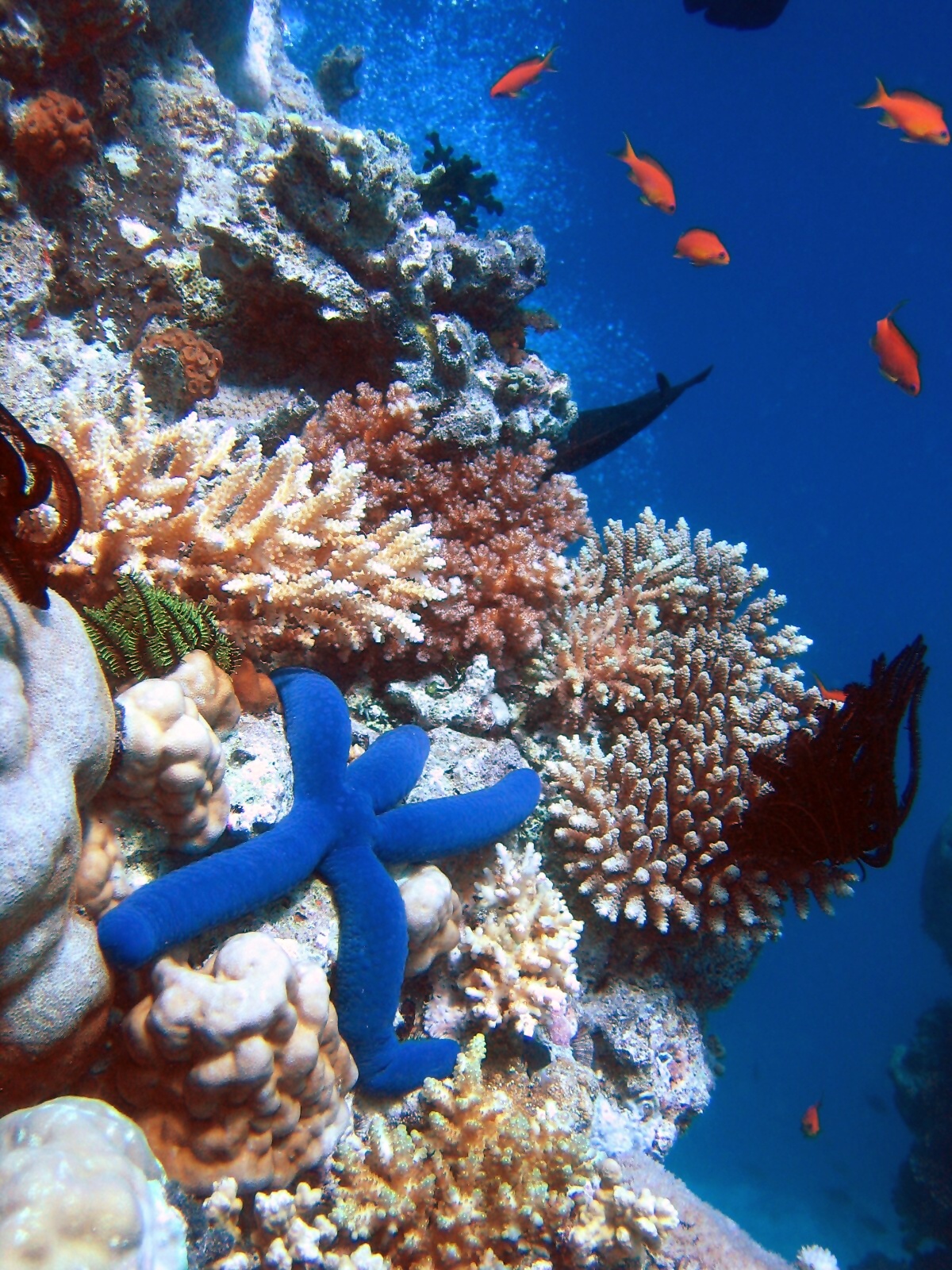
The result is one of the most biodiverse marine environments on Earth, located in the center of the Coral Triangle. The Wakatobi National Park, established in 1996, protects this unique ecosystem. Surveys have identified 396 species of coral and more than 900 species of fish within the park. The combination of unique oceanographic conditions and protected status has made Wakatobi an important natural laboratory for understanding how some coral reefs might survive in a warming world.