An Upside-Down Climate
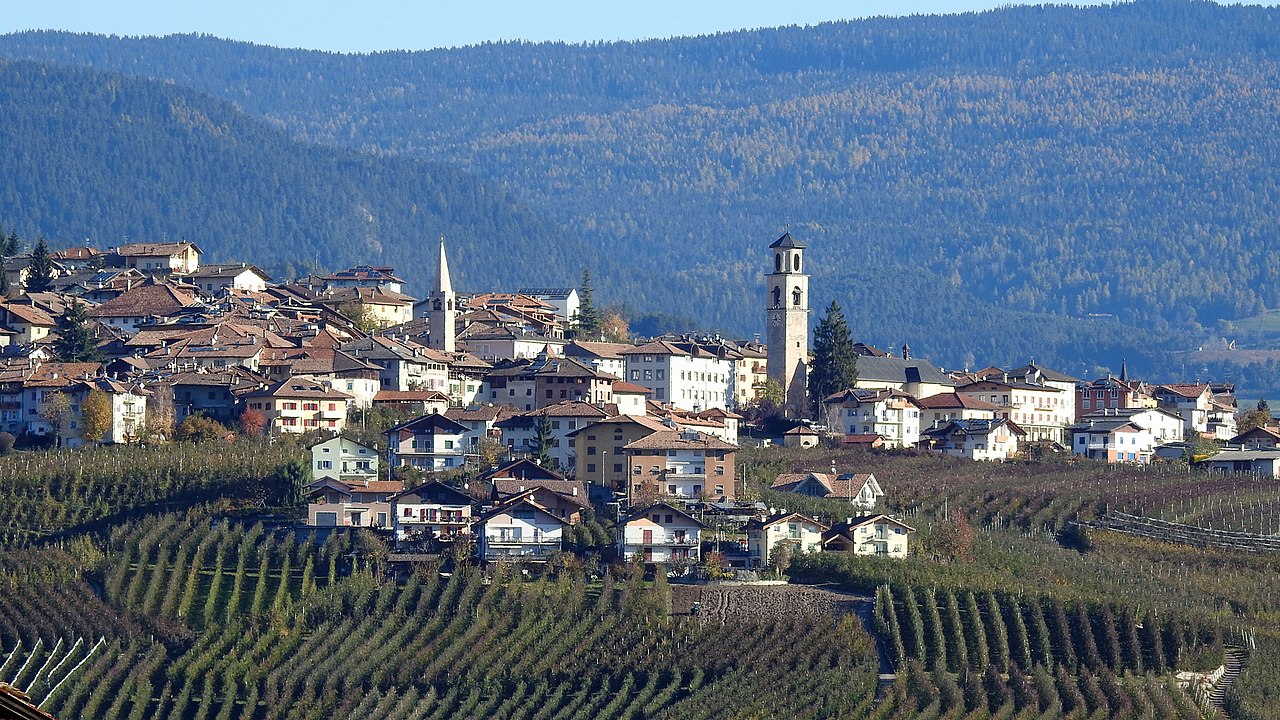
In the Val di Non, a wide plateau in Trentino, the climate behaves in a peculiar way that allows for a thriving apple industry at high altitudes. The valley is flanked by mountain groups including the Brenta Dolomites and the Maddalene range. The topography creates a basin effect where, on clear and calm nights, a phenomenon known as thermal inversion occurs. Cold, dense air sinks and pools on the valley floor, forming a "frost pocket," while the air on the upper slopes remains several degrees warmer. This atmospheric condition protects the apple blossoms (Malus domestica) from late spring frosts, which are a major threat to fruit cultivation in other alpine regions. Orchards flourish at elevations up to 900 meters, and in some cases even 1,000 meters, an altitude typically inhospitable for commercial apple growing.
The region's unique microclimate, with over 300 sunny days a year, contributes to the quality of the fruit. The diurnal temperature range—warm, sunny days followed by cool nights—slows the ripening process. This extended maturation period leads to apples with a higher concentration of sugars and acids, resulting in a crisp texture and aromatic flavor. The entire agricultural system is built around this climatic anomaly, turning a potential atmospheric hazard into the basis of a regional economy.
The Science of a DOP Apple
The apple cultivation in Val di Non is a highly organized enterprise, with about 7,000 hectares of orchards producing an average of 300,000 to 400,000 tons of apples annually. This accounts for over 10% of Italy's total apple production. The industry is dominated by the Melinda Consortium, a cooperative established in 1989 that unites approximately 4,000 farming families.
In 2003, three specific apple varieties grown in the valley were granted the prestigious Protected Designation of Origin (DOP) status by the European Union: Golden Delicious, Red Delicious, and Renetta Canada. To receive the "Mela Val di Non DOP" label, the apples must adhere to strict production guidelines. These regulations specify the approved cultivars, cultivation altitudes, and required standards for crunchiness, sugar levels (Brix), and acidity. The unique alpine climate and soil composition, rich in magnesium, give verifiable organoleptic qualities to the fruit that are recognized by this designation. The introduction of specialized apple farming in the late 19th century saved the valley's economy after diseases had devastated the former primary crops of mulberry and grapevines.