The eruption that shook the world
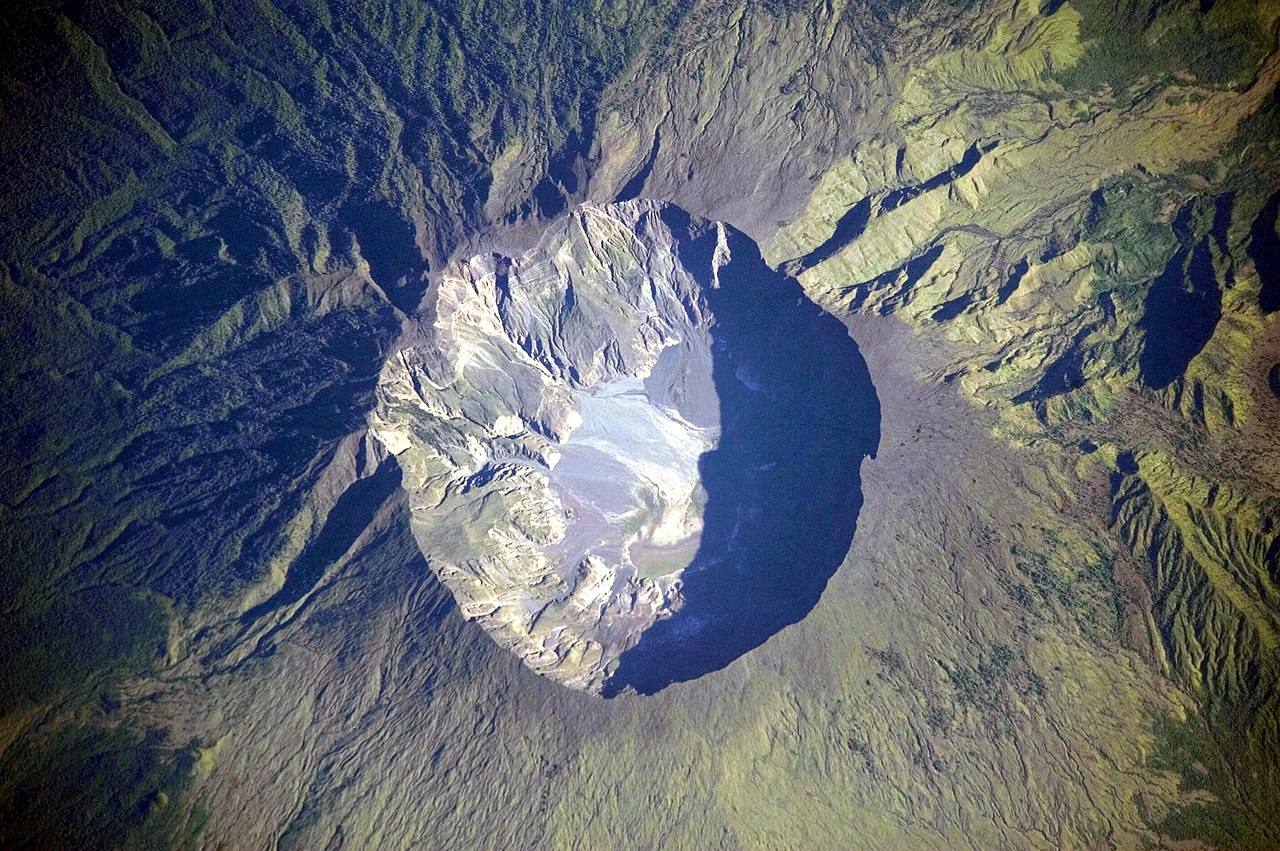
On April 10, 1815, Mount Tambora produced the largest volcanic eruption in recorded history. The explosion, rated a 7 on the Volcanic Explosivity Index (VEI), was an ultra-Plinian event that ejected between 100 and 150 cubic kilometers of rock, ash, and pumice. The eruption column reached an altitude of more than 43 kilometers (141,000 feet), punching deep into the stratosphere. Before the cataclysm, Tambora was one of the tallest peaks in the Indonesian archipelago, with an estimated height of 4,300 meters (14,100 feet). The eruption collapsed the summit, leaving a caldera 6 to 7 kilometers wide and over a kilometer deep. The mountain's final height was reduced to about 2,851 meters (9,354 feet). The explosion itself was heard up to 2,600 kilometers away. The immediate effects were devastating, with at least 11,000 people killed by pyroclastic flows and tsunamis.
A year without a summer
The eruption's global impact came from the large amount of sulfur dioxide (SO2) it injected into the stratosphere; estimates range from 25 to 120 megatons. This gas oxidized to form a veil of sulfate aerosols that circled the globe. This aerosol layer reflected incoming solar radiation, causing a volcanic winter. Average global temperatures dropped by 0.4 to 0.7 degrees Celsius, but the cooling was more severe in the Northern Hemisphere.
The year 1816 became known as the "Year Without a Summer." In New England, a persistent "dry fog" dimmed the sun. Frosts occurred in every month of the summer. On June 6, 1816, snow fell in Albany, New York, and Dennysville, Maine. The cold destroyed crops across North America and Europe, leading to the last great subsistence crisis in the Western world. The price of oats in the United States soared from 12 cents to 92 cents a bushel, making it difficult to feed horses, the primary mode of transport. Famine led to food riots in the United Kingdom and France. In Ireland, the crop failures compounded a typhus epidemic that infected around 800,000 people. The total death toll from the eruption and its subsequent effects on climate and disease is estimated to be at least 71,000, with some figures exceeding 100,000 people.
The gloomy weather and bright sunsets caused by the atmospheric aerosols influenced culture. Confined indoors by the incessant rain at Lake Geneva, Mary Shelley, Percy Bysshe Shelley, and Lord Byron held a ghost story competition. This contest resulted in Shelley writing Frankenstein and Byron composing his apocalyptic poem "Darkness."