A river born from the deep
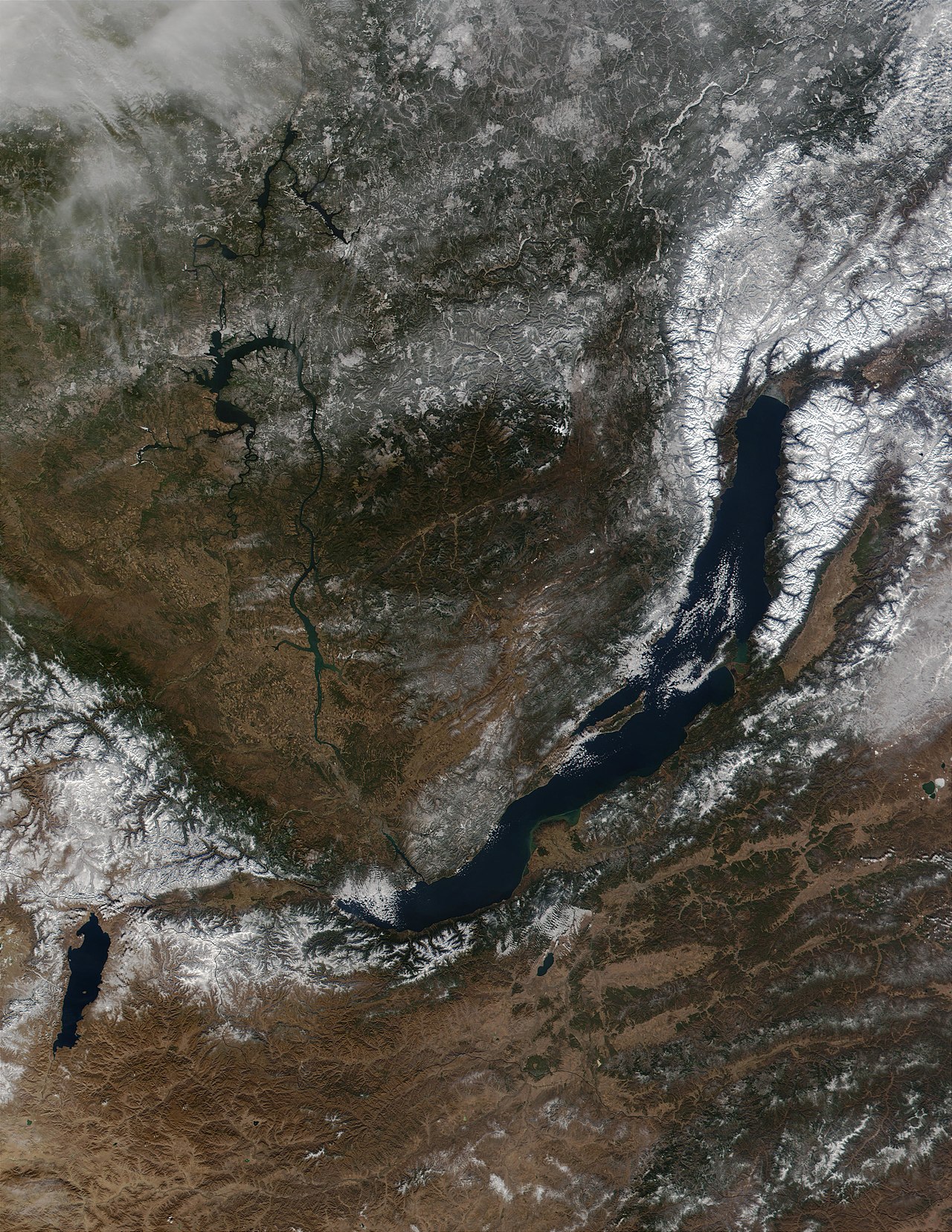
The Angara River is the only river that flows out of Lake Baikal. While over 330 rivers and streams flow into the lake, the Angara is its sole drain, beginning a 1,779-kilometer path to the Yenisey River. This outflow is immense, discharging an average of 60 cubic kilometers of water from the lake annually. The source of the river, located between the village of Listvyanka and Port Baikal, is a powerful sight, with a width of about one kilometer and a current reaching up to 8 km/hr.
The paradox begins with the Siberian winter, when air temperatures can plummet to -40°C. While Lake Baikal's surface freezes over with ice up to 1.4 meters thick, the Angara's source remains defiantly ice-free. This phenomenon results from the lake's enormous depth and thermal properties. Water reaches its maximum density at about 4°C. During winter, the surface of Baikal freezes, but the colossal volume of water beneath remains insulated. The deep water, from a depth of about 250 meters downwards, maintains a stable temperature of 3.1 to 3.8°C year-round. It is this massive reservoir of relatively warm deep water that feeds the Angara, continuously flowing out of the lake and preventing ice from forming for a significant distance downstream.
A winter haven for life
The stretch of open water created by this thermal anomaly, known as a polynya, is a critical ecological feature. This ice-free section, which can extend for 15 to 20 kilometers or more, becomes an important wintering ground for 12,000 to 15,000 waterfowl. While the surrounding area is locked in ice, the polynya provides birds with access to open water for feeding.
The dominant wintering species is the Goldeneye duck (Bucephala clangula), which can make up over 90% of the bird population. Other species, such as the Long-tailed Duck, Tufted Duck, and Red-breasted Merganser, also take refuge here. The construction of the Irkutsk Hydroelectric Dam in 1956, located about 60 kilometers downstream, has further stabilized the river's outflow and water level. This regulation has helped to maintain the polynya, creating a more consistent and reliable winter habitat for the thousands of birds that depend on it for survival through the harsh Siberian cold. The water temperature in the river even just below the dam remains between 0.3–1.7 °C in winter.