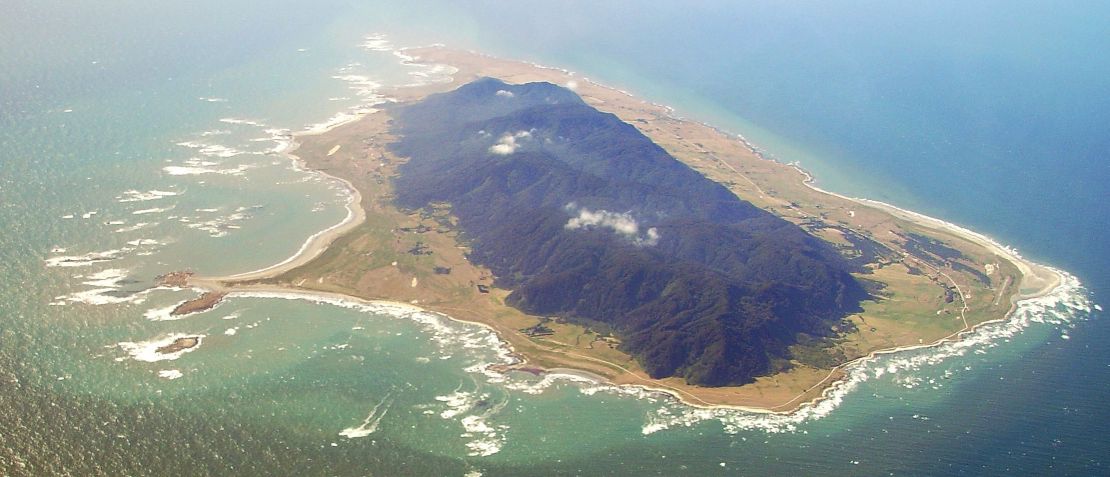
A Wave Through Time
On Mocha Island, the soil holds a hidden history of immense waves. Geologists studying the island have identified what they term "paleotsunami" deposits—layers of sand and marine sediment found far inland, sandwiched between darker layers of topsoil. These pale layers are the sign of a massive tsunami that washed over the island centuries ago, carrying sand from the beach and ocean floor and depositing it across the area. By analyzing sediment cores, scientists can see this dramatic event recorded in the earth. The thickness and landward extent of these sand sheets allow researchers to estimate the power of the wave that carried them.
This physical evidence shows an inundation far greater than any storm could produce. The field of paleotsunami research uses these geological clues to extend the timeline of tsunami events far beyond written history, providing a clearer picture of long-term risk and recurrence. On Mocha Island, the geological record tells a clear story of a catastrophic wave, but it doesn't provide a precise date. For that, science turned to a different kind of record.
The Shaking Earth and Raging Sea
The Lafkenche, the Mapuche people who have inhabited Chile's coast for generations, passed down oral traditions for centuries. These stories describe catastrophic events where the earth shook violently, followed by the sea receding from the shore only to return as a destructive wall of water. Mapuche mythology speaks of powerful spirits like Pillan and Trenan Vu, giant serpents or dragons who live deep within the earth and whose movements cause earthquakes. These narratives contain detailed, accurate descriptions of the physical phenomena associated with a major subduction zone earthquake and subsequent tsunami.
These oral histories, once dismissed as mere legends, are now recognized by scientists as invaluable historical data. They contain the same sequence of events that geologists reconstruct from soil layers and seismologists model on computers: a great earthquake followed by a massive tsunami. The convergence of this ancient indigenous knowledge and modern geological findings creates a unified account of a disaster that struck before European record-keeping began in the region.
A Date with Disaster
The geological evidence and the Mapuche oral traditions both confirmed a major tsunami, but connecting them to a specific year required a third piece of evidence: historical accounts from the early Spanish colonial period. Spanish chronicles from December 16, 1575, describe a massive earthquake that devastated the newly founded city of Valdivia. The accounts describe the ground shaking so violently that it caused widespread destruction and triggered huge landslides. The chronicles also mention a great wave that flooded the coast shortly after the earthquake, killing nearly 100 indigenous people near the Imperial River and altering the course of the Valdivia River.
This historical event, the 1575 Valdivia earthquake, is estimated to have had a magnitude of around 8.5. It provided the missing link. The date from the Spanish records aligns with the timeline suggested by the geological deposits and perfectly matches the events described in the Mapuche oral traditions. The combined evidence creates a detailed picture of the 1575 catastrophe, showing how indigenous knowledge can fill gaps in the scientific and historical record.