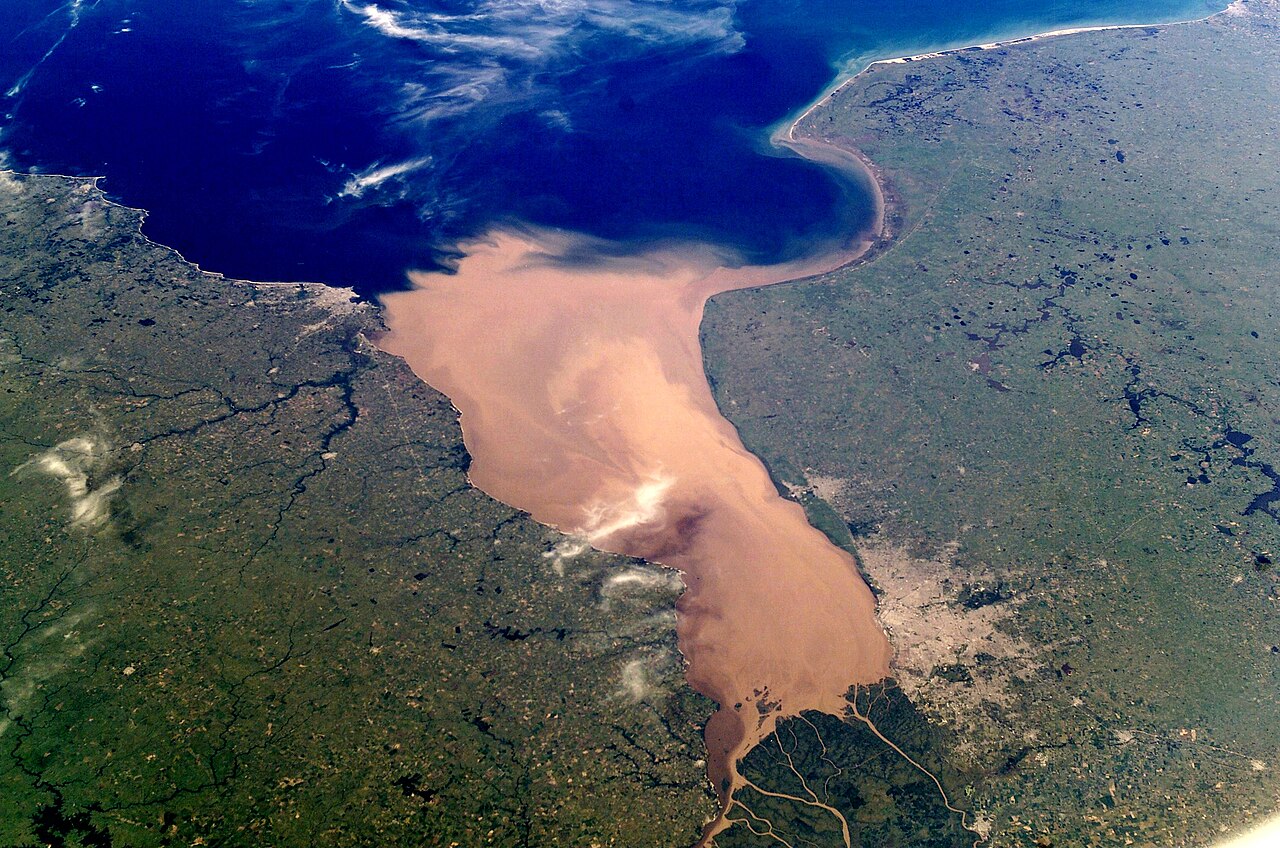
The making of a dead zone
In the Upper Gulf of Thailand, a shallow semi-enclosed basin with a maximum depth of less than 40 meters, a massive ecological disruption occurs annually. Each year, large portions of the gulf's bottom waters become hypoxic, meaning the dissolved oxygen concentration drops below 2 milligrams per liter (mg/L). In severe cases, the water becomes anoxic, with a dissolved oxygen concentration of zero. This phenomenon creates a "dead zone" where most marine life either flees or perishes.
The primary cause is eutrophication, a process driven by an excess of nutrients, particularly nitrogen and phosphorus. These nutrients pour into the gulf from major rivers like the Chao Phraya and Bangpakong, carrying agricultural and industrial runoff, as well as waste from coastal communities. Effluent from intensive shrimp farming along the coast contributes to this nutrient load. This flood of nutrients triggers enormous phytoplankton blooms. When these massive populations of microscopic algae die, they sink and are decomposed by bacteria on the seafloor. This decomposition process consumes vast quantities of oxygen, stripping it from the bottom waters faster than it can be replenished.
A seasonal cycle of suffocation
The formation of the dead zone is a seasonal event, tightly linked to the region's monsoons. Hypoxic conditions typically appear from June to November, peaking in September when the affected area can cover half of the Upper Gulf. The Southwest Monsoon, from May to October, brings heavy rains that increase river discharge, flushing more nutrients into the sea.
This large influx of freshwater creates a strong stratification in the water column. A warm, low-salinity layer of river water spreads across the surface, effectively sealing off the colder, saltier, denser seawater below. This layering prevents oxygen from the atmosphere from mixing into the bottom waters where the intense bacterial decomposition is happening. The hypoxic zone often appears first in the northeastern part of the gulf in June and August, then moves westward as the monsoon progresses.
The ecological consequences are severe. Mobile creatures like fish and shrimp must evacuate the area to survive. Sessile, or stationary, bottom-dwelling organisms such as clams, mussels, and worms often die in massive numbers, turning habitats that should be full of life into biological deserts. This directly impacts the local fishing and aquaculture industries, which have reported devastating losses of mussel and oyster farms.