A sinkhole through time
In May 2000, a construction crew with the Tennessee Department of Transportation was working to widen State Route 75 when they uncovered unusual dark, layered clays. This accidental discovery halted the road project and revealed a fossil site of global importance. The site is a deep deposit of sediments, measuring up to 39 meters deep, that filled a sinkhole over millions of years. This natural trap formed in the surrounding Knox Group limestone, a bedrock dating to the Ordovician period around 480 million years ago.
The fine, laminated clays created a low-oxygen environment, which led to the exceptional preservation of plants and animals from the early Pliocene Epoch, between 4.5 and 4.9 million years ago. This specific time period is poorly represented in the fossil record of the Appalachian region, making the Gray Fossil Site a record of a lost ecosystem. The ancient environment was a warm and wet forest surrounding the deep sinkhole pond. Analysis of fossil plants shows the forest was dominated by oak, hickory, and pine trees.
An unexpected menagerie
A significant discovery at the site is Pristinailurus bristoli, a species of red panda. Two nearly complete skeletons were found, making them the most complete fossil red panda skeletons known anywhere in the world and the first evidence of this animal family in North America. This ancient panda was larger than its modern relatives, weighing an estimated 8 to 15 kilograms.
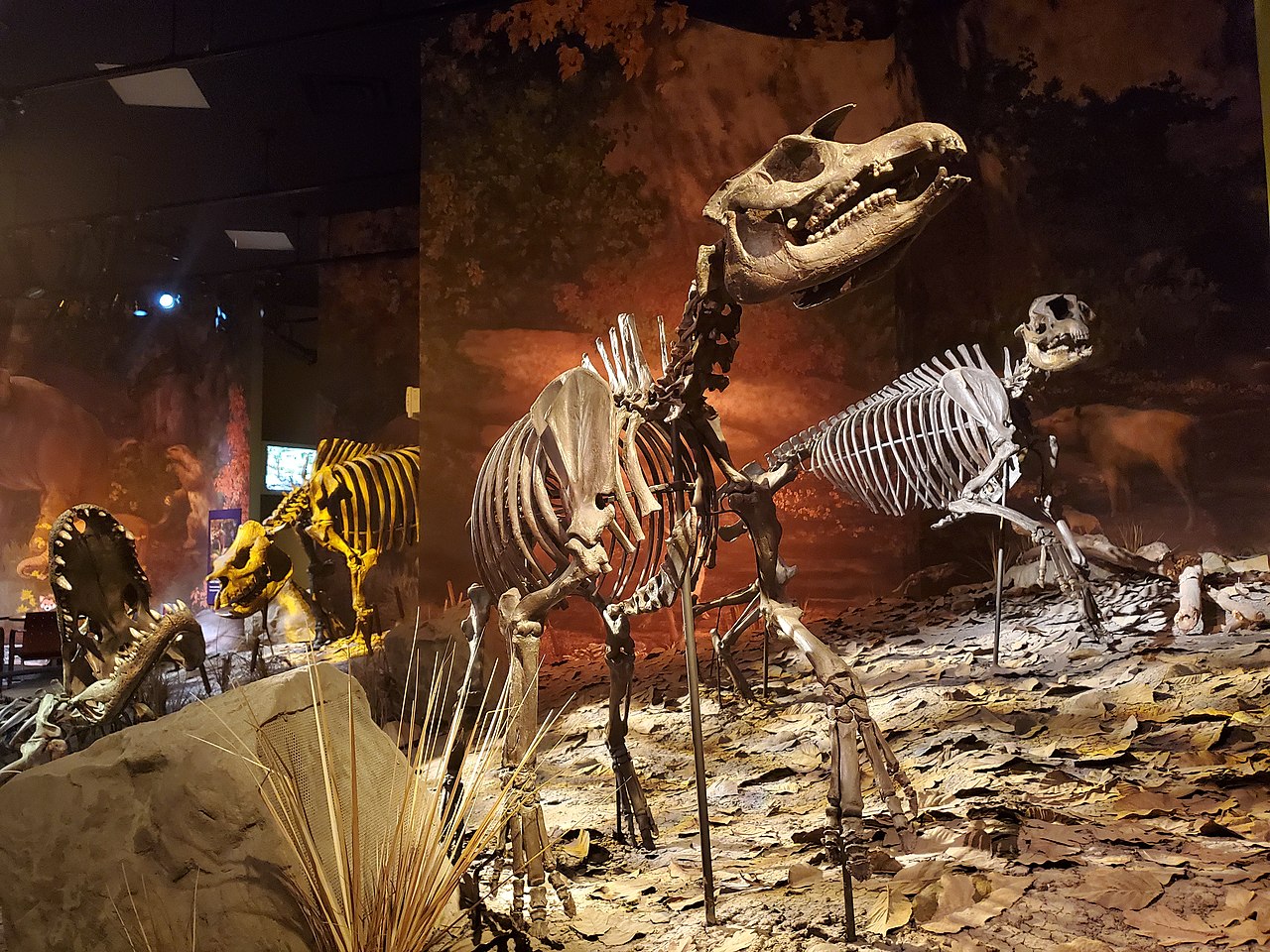
The site has yielded over 30,000 cataloged fossils. It holds the world's largest known fossil assemblage of tapirs, with fossils of the dwarf tapir (Tapirus polkensis) found from every life stage. Other large animals include a new species of rhino with proportionally long legs (Teleoceras aepysoma), a saber-toothed cat (Machairodus), and a short-faced bear (Plionarctos). The presence of alligators confirms the warm climate. Many of the animals and plants discovered show close relations to species found today in Asia, showing a biogeographic link between eastern North America and Eurasia during the Pliocene.