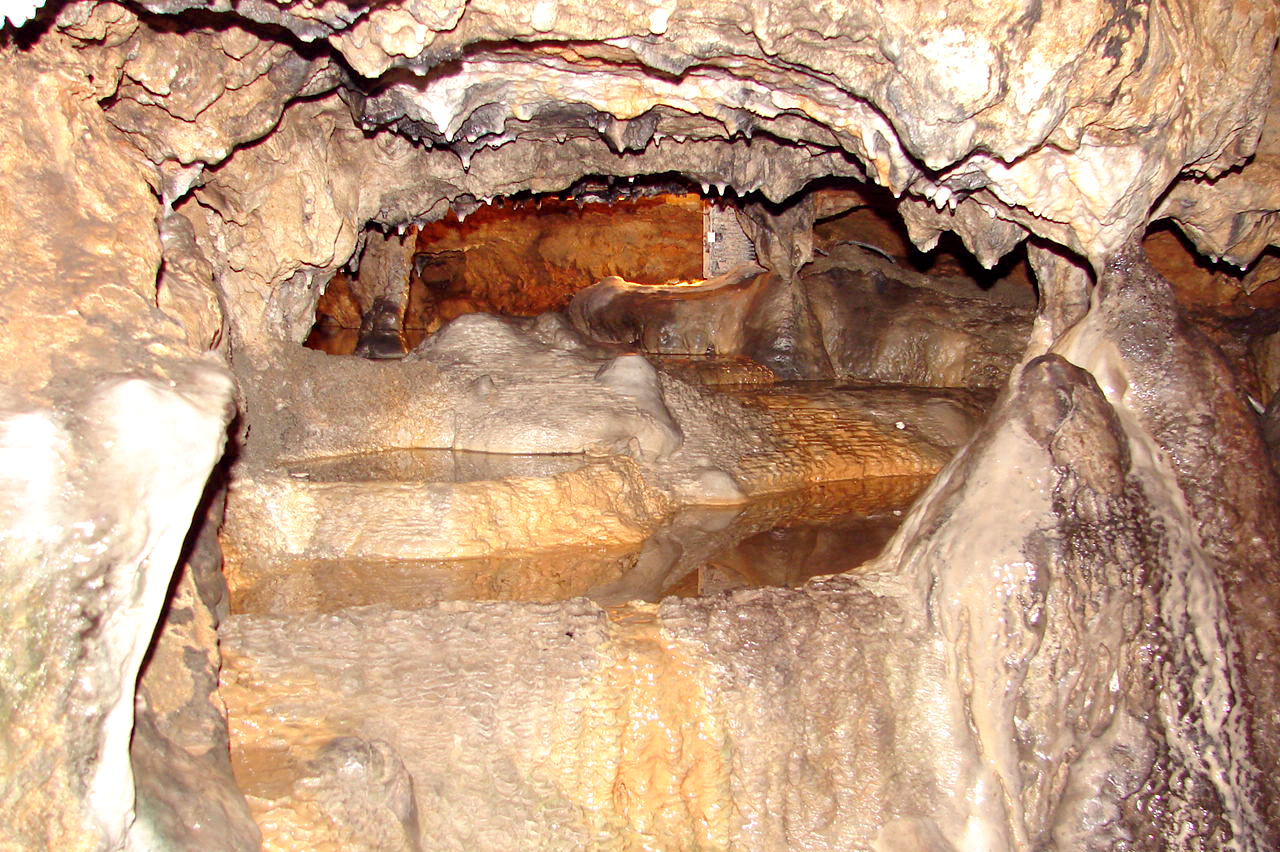
A Geological Anomaly
The geology of the Korean Peninsula is dominated by granite and gneiss, ancient metamorphic rocks that weather into acidic soils. In the central part of the country, however, the Danyang region is different. This area is a part of the Okcheon Belt, a zone of sedimentary rock that includes a massive formation known as the Great Limestone Series. This bedrock, composed largely of calcium carbonate, dates back to the Paleozoic Era, specifically the Cambrian and Ordovician periods around 450 to 500 million years ago.
The presence of this extensive limestone creates a unique chemical environment. Rainwater, naturally slightly acidic, dissolves the calcium carbonate in the rock, a process that has carved out extensive cave systems over millions of years. This process also fundamentally alters the soil chemistry. While the surrounding granite-based lands have a low pH, the limestone bedrock in Danyang buffers the acidity, creating alkaline soils with a pH often between 7.5 and 8.5. This chemical island provides a refuge for organisms that have evolved to depend on a high-calcium, alkaline environment, making them unable to survive in the acidic conditions that prevail across most of the peninsula.
Life in the Dark
The isolation of this alkaline environment has driven the evolution of unique, endemic species, particularly within its vast network of caves. These troglobites, or cave-dwelling organisms, are highly adapted to a life of complete darkness and stable temperatures. One examples is the Korean cave-mouth snail (Koreozospeum nodongense). Discovered in Nodong Cave, this tiny snail, measuring just 1.7 mm, is completely blind. It represents a significant discovery, as its closest relatives were previously known only from caves in Southern Europe, suggesting an ancient, pan-Eurasian distribution of its ancestors.
The caves of Danyang, such as the well-known Gosu and Ondal Caves, are hotspots of this subterranean biodiversity. Gosu Cave alone is inhabited by 25 species of insects and animals. These ecosystems contain a variety of invertebrates specially adapted to the dark and chemically distinct environment. The stable cave temperatures, which hover around 15°C (59°F) year-round, provide a consistent habitat for these creatures. The existence of such specialized fauna, completely dependent on the limestone karst, shows how geology directly shapes biology, creating isolated pockets of life with a distinct evolutionary history.